Fine hair comes with its own set of challenges. It gets oily at the roots quickly, yet the ends can feel dry and brittle. And if you live in a humid climate—or even just experience a seasonal shift—you might notice that your usual routine leaves you with a frazzled mane and an irritated scalp. After struggling with this myself, I discovered that the solution wasn't adding more products, but fixing two fundamental washing mistakes.
Here are the two common errors that can make fine hair frizzier and your scalp drier, along with a gentle technique that actually works.
Mistake #1: You’re washing too frequently (or not enough)
Fine hair shows grease faster than thick or coarse hair, so many people reach for shampoo every single day. But daily washing strips the scalp of its natural sebum—the protective oil barrier that keeps skin hydrated. When you remove that oil too often, your scalp overcompensates by producing even more oil, leading to a vicious cycle. At the same time, the ends of fine hair (which are already delicate) lose moisture, becoming dry and prone to frizz.
On the flip side, stretching washes too long can allow sebum and product buildup to clog hair follicles, which may lead to a dry, flaky scalp and limp strands. The sweet spot for most fine-haired people is washing every two to three days, depending on your activity level and environment.
Mistake #2: You’re skipping pre-wash nourishment
Jumping straight into shampoo without any pre-wash preparation is a missed opportunity—especially for fine hair. Without a protective layer, shampoo can be too harsh, stripping natural oils from the scalp and leaving hair cuticles roughened. Rough cuticles catch moisture from the air, which causes frizz. Meanwhile, the scalp loses the lipids it needs to stay comfortable and balanced.
The fix is a simple pre-wash oiling routine. But not just any oiling—the gradual method that builds up over several days, giving your hair and scalp time to absorb nourishment without becoming greasy.
The gradual oiling technique: a week-long reset
This method worked wonders for my own fine hair. Here’s how to do it without weighing your hair down:
- Choose a light, non-greasy oil. Almond oil, jojoba oil, olive oil, and argan oil are excellent options. They penetrate the hair shaft without leaving a heavy residue.
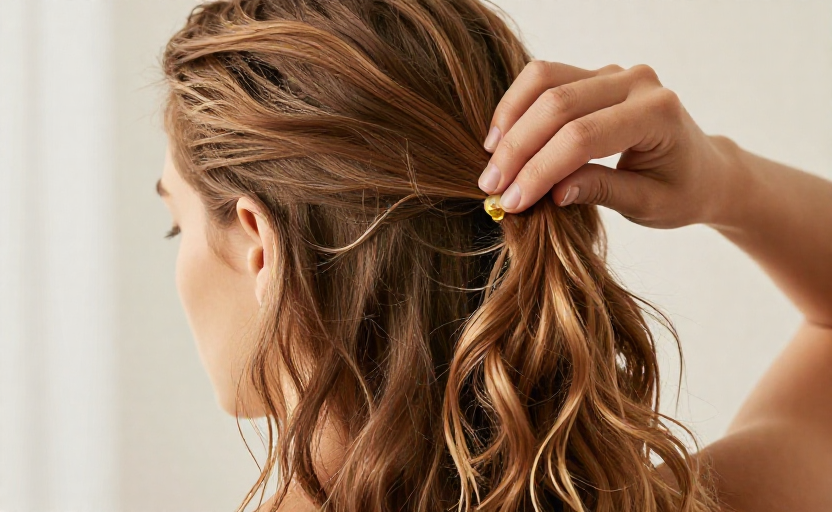
- Day 1: Take a pea-sized amount of oil. Rub it between your palms and apply it only to the ends of your hair. Avoid the scalp for now.
- Days 2–6: Each day, increase the application area slightly. Move gradually up the lengths of your hair. By day 5 or 6, you can lightly massage the oil into your scalp, using a very small amount.
- Day before shampoo: Give yourself a gentle scalp massage using the same oil. Focus on the roots and the back of your head—this stimulates circulation and helps loosen any flakes.
- Wash day: Shampoo as usual. You’ll notice that the oil has been absorbed over the week, so your hair won’t feel greasy after washing. Instead, it will feel soft, smooth, and much less frizzy.
The golden rule of gradual oiling: use only a tiny amount each day. Over-oiling is the fastest way to end up with flat, sticky hair.
Why this approach works for fine hair
Fine hair has a smaller diameter than other hair types, which means it’s more susceptible to damage from friction, heat, and harsh cleansers. Pre-wash oiling provides a protective barrier that reduces the impact of shampoo surfactants. Over the course of a week, the oil sinks into the hair cuticle, filling in gaps and smoothing the surface. This reduces the ability of humidity to swell the hair shaft—the main cause of frizz.
For the scalp, the gradual introduction of oil prevents the overproduction of sebum. By keeping the scalp lightly moisturized, you avoid both the greasy roots and the dry, flaky patches that often accompany fine hair routines.
Additional tips for fine hair care
- Use lukewarm water for washing—hot water strips natural oils from both hair and scalp.
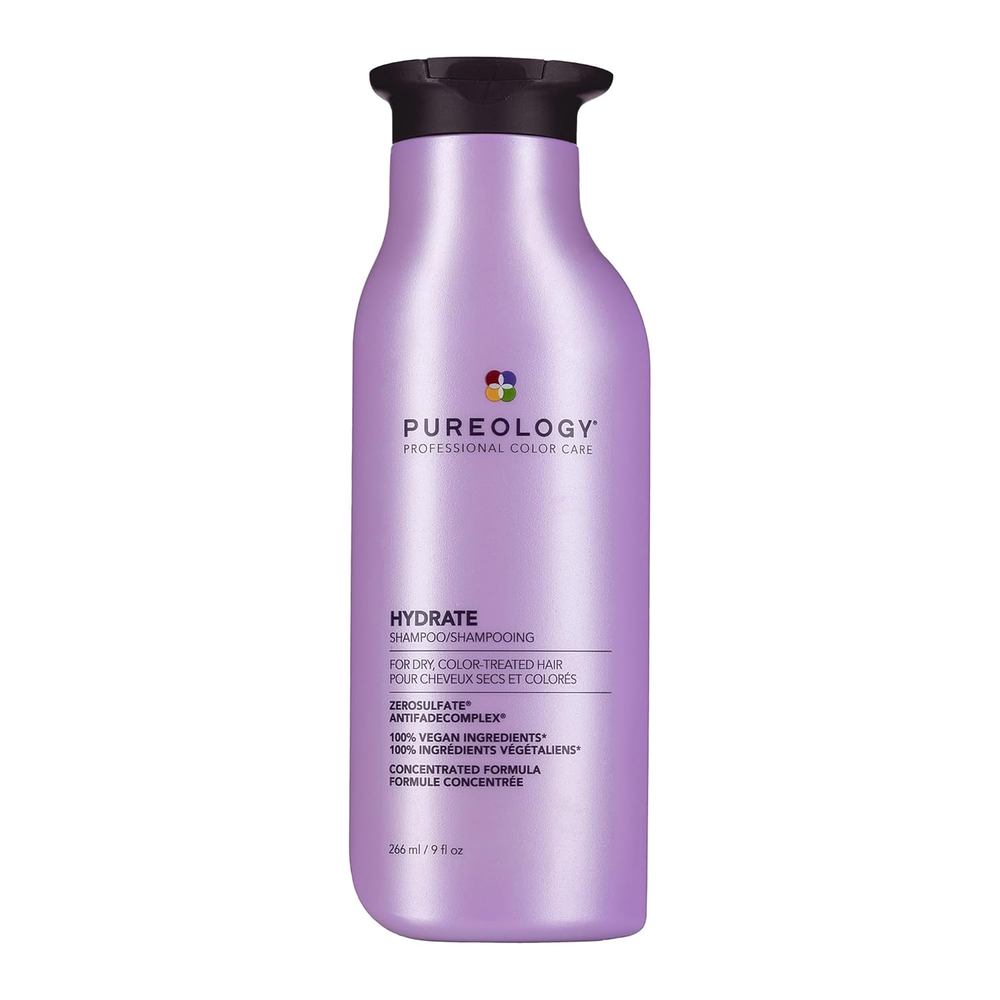
- Choose a sulfate-free shampoo designed for fine or normal hair. Sulfates can be too aggressive.
- Always condition mid-lengths to ends, not the roots. This prevents heaviness at the crown.
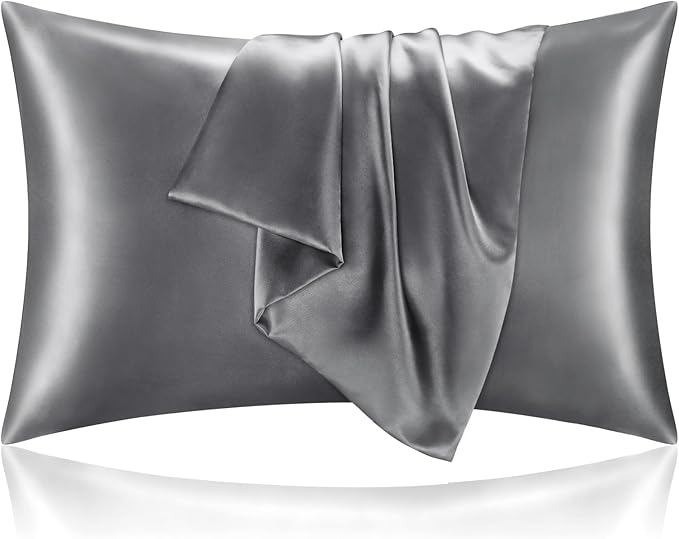
- Sleep on a silk or satin pillowcase to reduce friction that creates frizz overnight.
If you’ve been frustrated by flyaways, frizz, and a dry scalp despite trying every product on the shelf, these two simple washing adjustments—timing your washes right and adopting gradual pre-wash oiling—can reset your hair’s health. It took me one full week to see results, and the difference was like a professional hair spa treatment. No expensive masks required.