Menopause marks a seismic shift in a woman’s body, and your skin often bears the brunt of it. Falling estrogen levels mean less collagen, less sebum, and a weaker moisture barrier. It’s a biological reality, not a personal failure. Yet many women unknowingly double down on habits that make things worse, then wonder why their usual products stop working.
Based on dermatologic guidance for perimenopausal and menopausal skin, two mistakes repeatedly surface. Getting them right won't reverse time, but it can dramatically improve comfort, resilience, and that elusive “glow.”
Mistake #1: Overwashing and Over-Exfoliating in the Name of Clean
When skin starts looking dull or feeling rough, the instinct is to scrub it off or wash it away. This is understandable but often backfires during menopause.
The tell-tale signs you're doing it
If you’re using a foaming cleanser morning and night, following up with a toner on a cotton pad, and then applying a physical scrub or a leave-on acid (like glycolic or salicylic acid) even three times a week, your skin may be screaming for mercy. The menopause transition lowers ceramide production—the lipids that glue skin cells together. Without those ceramides, your barrier is already porous. Scrubbing it strips what little protective oil you have left.
The result: Instead of smooth skin, you get tightness, flaking, redness, and a crepe-like texture that no moisturizer seems to fix. The barrier damage can also trigger inflammatory signals that accelerate collagen breakdown—the exact opposite of what we want.
What to do instead
Swap your foaming or sulfate-heavy cleanser for a gentle milk, cream, or oil-based cleanser. Many dermatologists recommend a non-foaming cleanser with ingredients like glycerin, squalane, or ceramides. At night, if you wear makeup or sunscreen, a double cleanse (oil-based first, then gentle cream cleanser) is fine—but skip the morning wash altogether. A splash of lukewarm water and a soft cloth is sufficient.
Drop active exfoliation to once a week or less. If you can't bear to part with your retinol or AHA, apply it only on nights when your skin doesn't feel tight, and buffer it by applying moisturizer first.
Mistake #2: Relying on the Same Heavy Moisturizer You Used at 40
This one catches women off guard because it seems counterintuitive. By your mid-40s and early 50s, many women have embraced rich creams. When menopause hits, they keep slathering on the same heavy formula—and their skin starts looking oilier, bumpier, or more congested.
Why heavy creams can backfire
Menopausal skin often becomes more alkaline, which disrupts its microbiome. Heavy, waxy creams (think petrolatum or lanolin-heavy formulations) can sit on top of this altered surface, trapping dead skin cells and bacteria. The result is a paradox: the deeper layers are dehydrated, but the surface feels greasy or develops small closed comedones (those tiny, flesh-colored bumps).
Key insight: Mature skin needs hydration more than it needs occlusion. Hydration comes from humectants (glycerin, hyaluronic acid, panthenol) that pull water into the skin. Occlusion just seals the surface.
The smarter moisturizer strategy
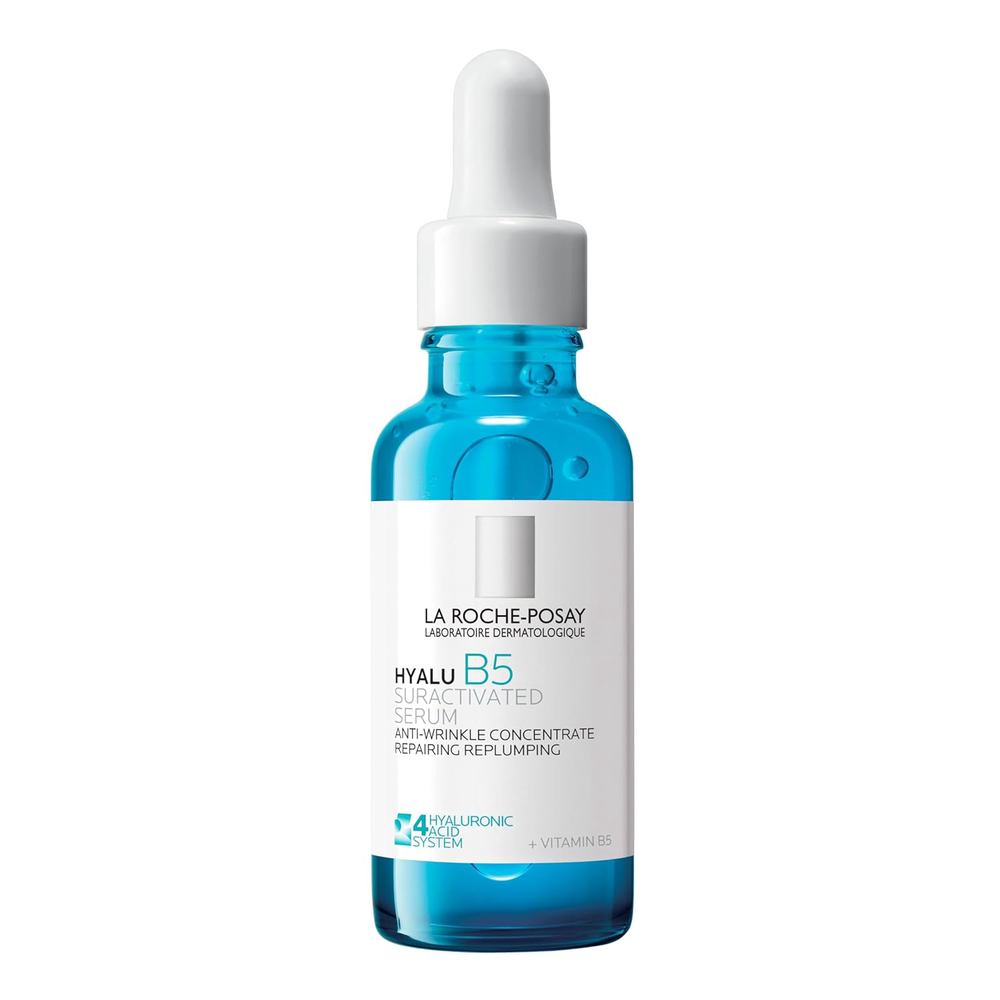
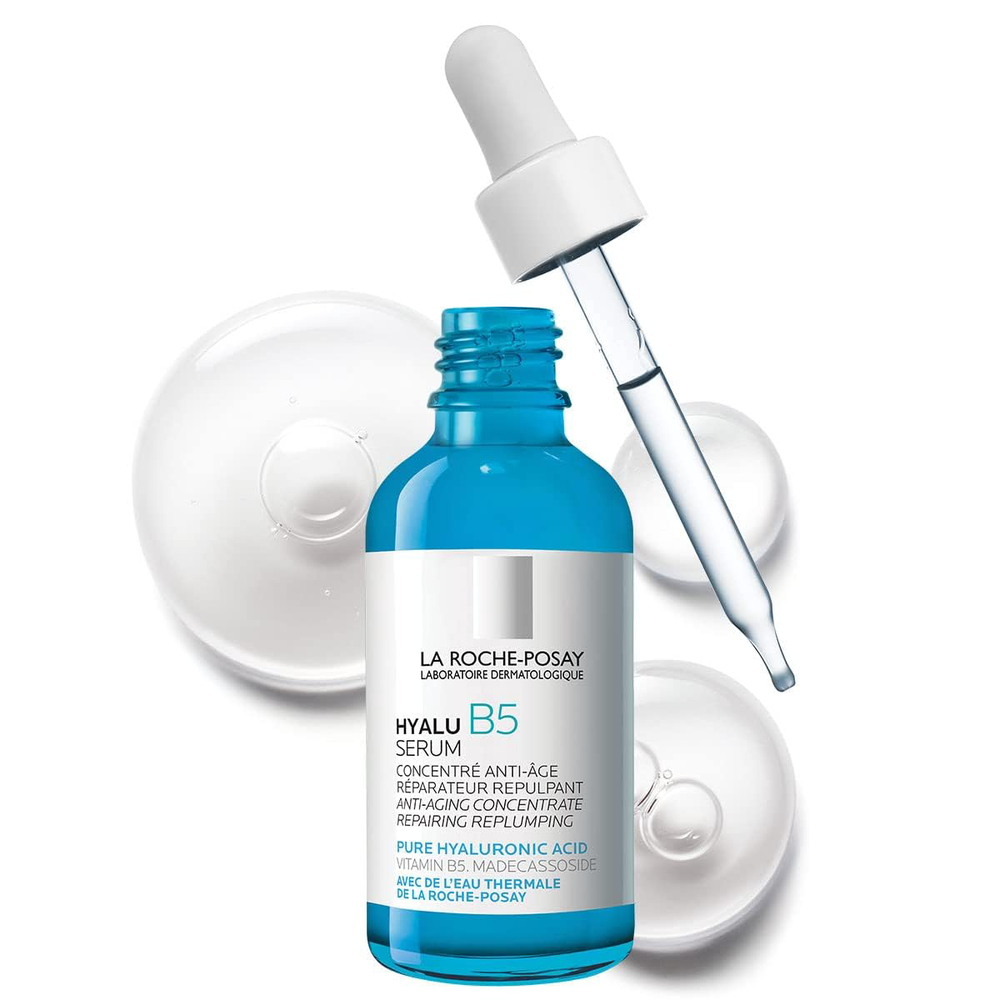
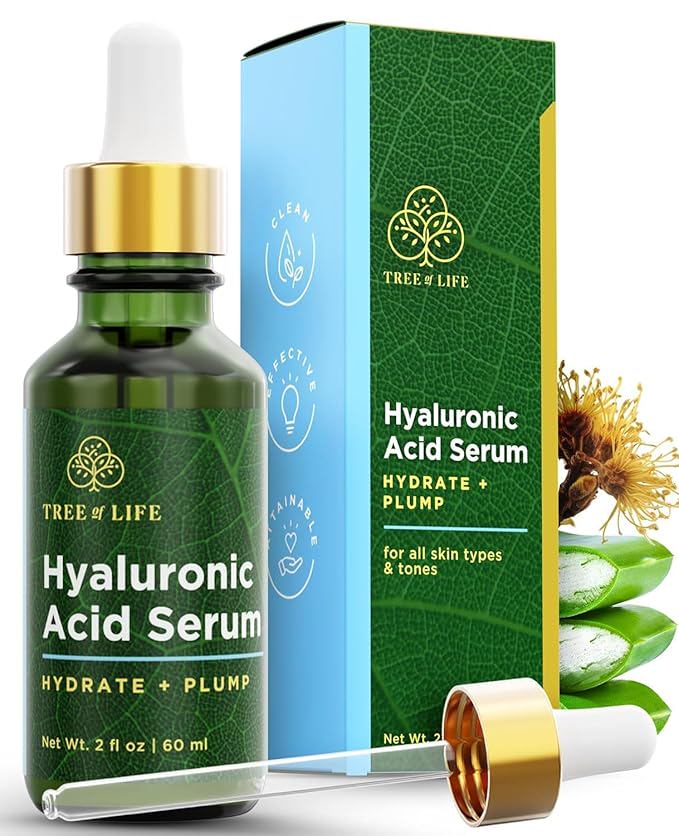
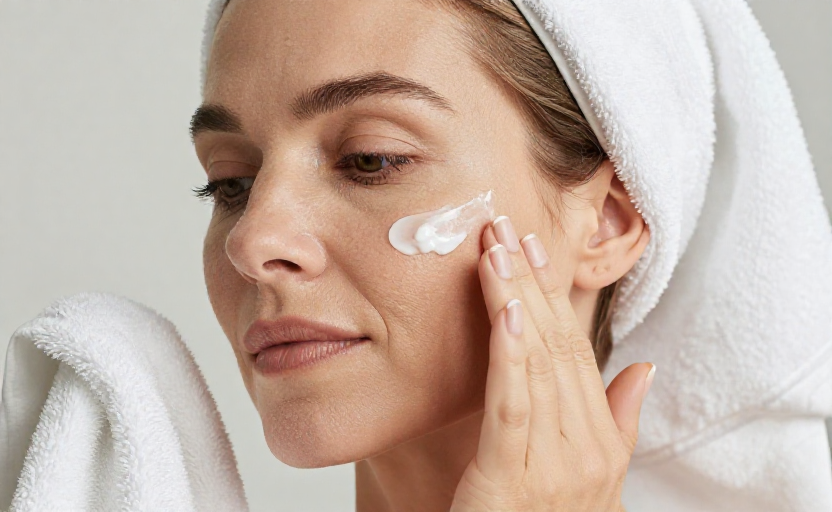
Look for a formula that is “water-light” but rich in humectants and barrier-repairing lipids. Ingredients like niacinamide, ceramides, and peptides are your allies. Use a lightweight gel-cream or a lotion that absorbs quickly, then top it with a few drops of a facial oil (like squalane or jojoba) if you need extra sealing. Your skin may also tolerate—and even benefit from—a hydrating serum before your moisturizer, particularly one with polyglutamic acid or beta-glucan.
A final note on sun protection: Both mistakes become more dangerous when you skip sunscreen. Estrogen loss makes skin more vulnerable to UV damage. Physical sunscreens with zinc oxide or titanium dioxide are often better tolerated by sensitive menopausal skin than chemical filters. Apply it daily, rain or shine.