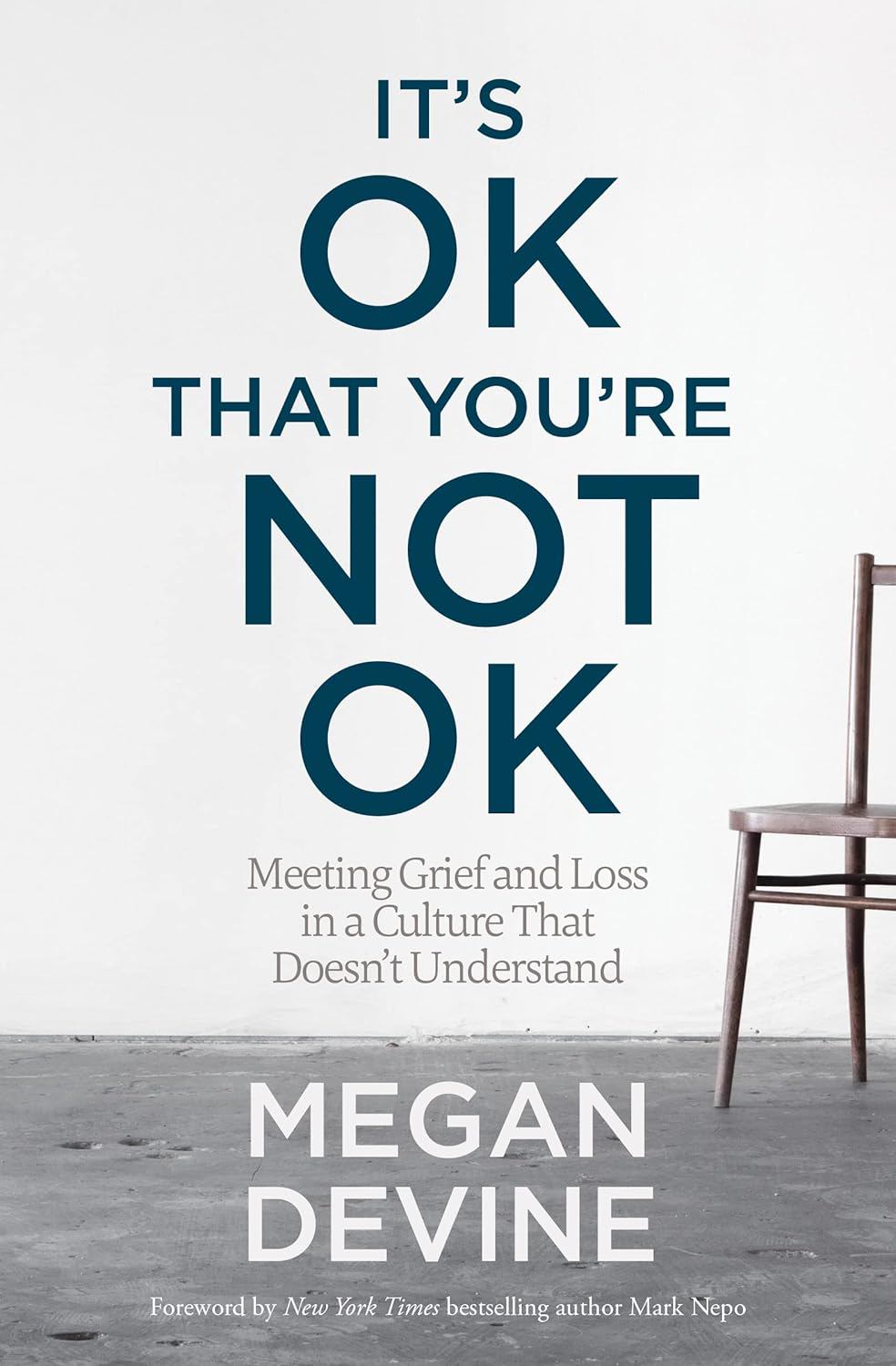

Grief is not a problem to be solved, yet many of us treat it like one. When we lose someone we love, the instinct is often to push through the pain as quickly as possible—or, conversely, to let it consume us entirely. Psychologists point to two common mistakes that can stall healing and block the emotional resilience needed to move forward in a healthy way.
Mistake 1: Trying to Rush the Process
The first major misstep is treating grief as a timeline that should be completed. Well-meaning friends or family may say things like “it’s been six months, shouldn’t you be feeling better?” That kind of pressure, whether external or internal, can lead a grieving person to suppress their emotions. When you bottle up sadness, anger, or confusion, those feelings don’t disappear—they often resurface later as anxiety, irritability, or physical symptoms like tension headaches or fatigue.
Psychologists explain that emotional resilience isn’t about speed; it’s about fully experiencing the wave of grief without judgment. Crying, feeling angry, or even experiencing moments of numbness are all normal. By allowing yourself to feel these emotions as they come—without trying to fast-forward—you actually process the grief more efficiently in the long run.
Mistake 2: Isolating Yourself from Support
The second common mistake is withdrawing from the people who care about you. It is understandable: after a major loss, social interaction can feel exhausting, performative, or even painful. But isolation tends to magnify grief. When you are alone with your thoughts for long stretches, rumination can take hold, looping the same sorrowful narratives without any counterbalance.
Experts emphasize that connecting with others—even in small, low-pressure ways—helps regulate the nervous system. A short phone call, a shared meal, or simply sitting in the same room with someone who does not demand conversation can remind the brain that you are not alone. This social grounding is a key component of building resilience.
Practical Ways to Build Emotional Resilience
Beyond avoiding these two mistakes, psychologists suggest a handful of evidence-backed strategies for moving through grief:
- Name your emotions. Simply saying “I am feeling sad right now” or “I notice I’m angry” reduces the intensity of the emotion. It moves you from being consumed by the feeling to observing it.
- Maintain small routines. Eating regular meals, going for a short walk, and keeping a consistent sleep schedule stabilizes your body’s chemistry, which in turn supports emotional regulation.
- Create a memory ritual. Lighting a candle, looking through photos for ten minutes, or writing a letter to the person you lost allows you to honor the bond without getting stuck in pain.
When Grief Overwhelms
While the two mistakes above can block resilience, sometimes grief becomes overwhelming regardless of what you do. In those cases, professional support is not a sign of weakness—it is a sign of wisdom. Signs that you may need additional help include prolonged sleep disruption, significant weight loss due to loss of appetite, a sense of numbness lasting months, or thoughts of self-harm.
Healing is not about forgetting. It is about carrying the memory of your loved one with you while still finding meaning in your own life.
Emotional resilience does not mean being unbothered by loss. It means being able to feel the depth of your sorrow and still eventually find your footing. By avoiding the pressure to rush and the trap of isolation, you give yourself the best chance to move through grief in your own time, with your own strength.