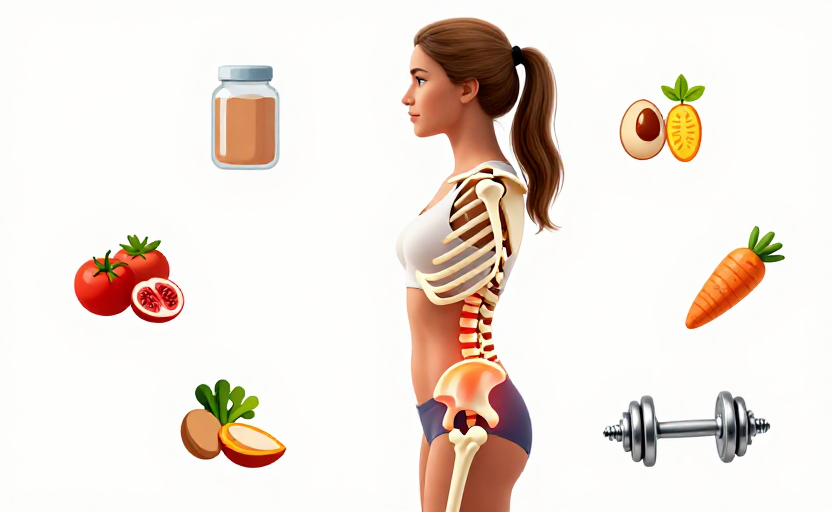
Menopause is a transition that touches nearly every system in the body, but the skeleton often takes a silent hit. When estrogen levels drop, the natural process of bone remodeling tilts toward breakdown. For many women, this period marks the beginning of faster bone density decline. Yet the rate of loss is not uniform. Two habits, in particular, tend to speed things up—often without a woman realizing she is doing anything wrong.
If you have entered menopause or are close to it, understanding these two mistakes can be the difference between maintaining strong, resilient bones and facing a future of fractures. Let’s cut through the noise and look at what the evidence actually says.
Mistake One: Relying Solely on Calcium—And Ignoring Protein
It is drilled into us: calcium builds bones. So we drink fortified milk, pop supplements, and eat yogurt with religious fervor. While calcium is essential, it is only one part of the structural equation. Bone matrix is about 50 percent protein by volume. Without enough protein, the collagen scaffold that holds calcium crystals collapses.
Postmenopausal women often reduce meat, eggs, and dairy for various reasons—digestive changes, cholesterol worries, or a shift toward lighter plant-based meals. The unintended consequence is a net protein deficit. When the body does not get enough dietary protein, it will pull amino acids from muscle tissue. Weaker muscles mean less mechanical load on bones, and less load signals the body to resorb bone faster.
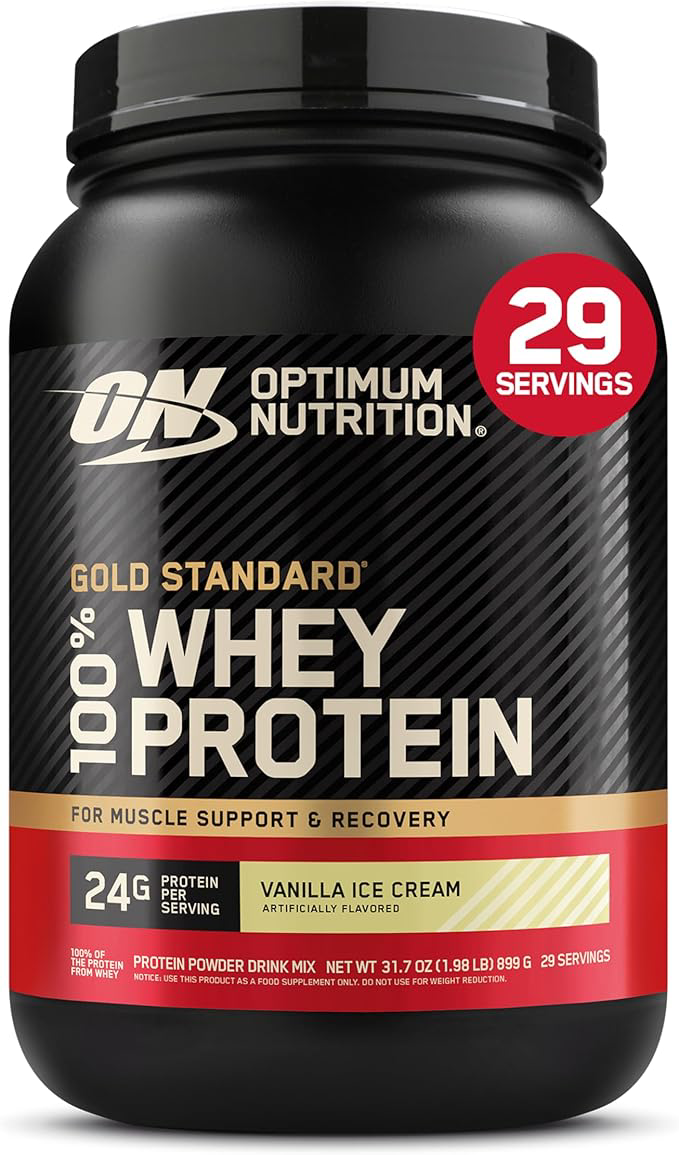
A practical middle ground: Aim for roughly 20–30 grams of protein at each meal. That is about the size of a palm of chicken, three eggs, a cup of Greek yogurt, or a scoop of pea protein in a smoothie.
Notice this is not about cutting calcium. Both nutrients work in tandem. Think of calcium as the bricks and protein as the rebar. You need both for a stable structure. The mistake is over-focusing on one while neglecting the other.
Mistake Two: Overdoing Cardio—And Underdoing Resistance Training
Many women in menopause double down on walking, running, or cycling because it feels good for the heart and the waistline. And it is. But the skeleton does not respond much to steady-state aerobic exercise. Bone is living tissue that adapts to mechanical strain. It needs impact and tension to stimulate osteoblasts—the cells that build new bone.
When you only do cardio that keeps your feet off the ground or that is non-weight-bearing (like stationary cycling or swimming), your bones get the message that they do not need to be dense. Combine that with postmenopausal estrogen loss, and you have a recipe for faster thinning.
The Resistance Fix
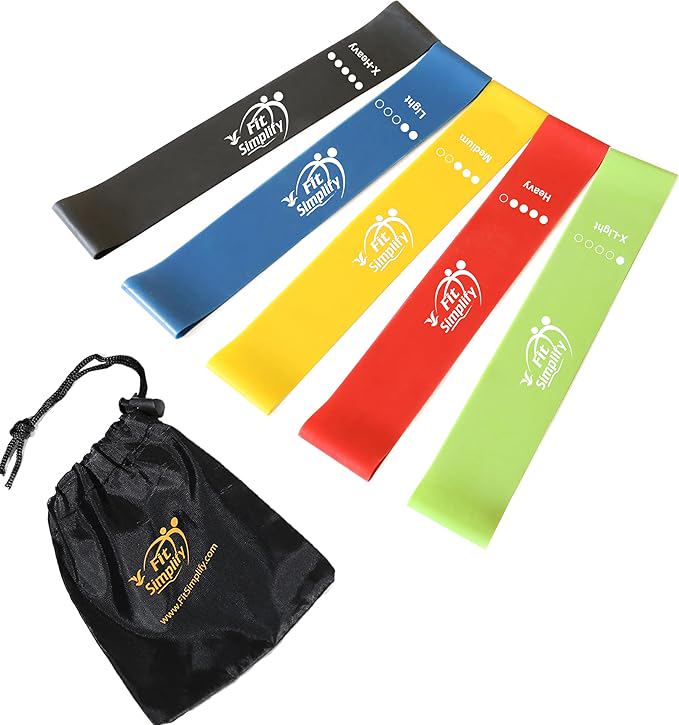
Resistance training—lifting weights, using resistance bands, or doing bodyweight exercises that challenge you—puts direct tension on the skeleton through muscle pull. Compound movements like deadlifts, squats, overhead presses, and lunges are especially effective because they load the spine, hips, and wrists—the sites most prone to fracture.
You do not need to become a powerlifter. Two to three sessions per week of moderate-to-heavy resistance work can significantly slow bone loss. If you are new to it, start with a qualified trainer or a physical therapist who understands osteopenia and osteoporosis precautions.
Impact Matters, Too
A little impact goes a long way. One 2015 study of postmenopausal women found that those who did brief bouts of high-impact exercise—like stamping or skipping—had better bone density in the hip compared to those who only walked. The key is short, repeated forces, not endless pounding.
How These Mistakes Stack Up Over Time
Bone loss after menopause is not instantaneous. It happens quietly over years. A woman might lose 1–2 percent of bone density per year in the first five to seven years of menopause. If she is also eating too little protein and avoiding resistance training, that number can climb to 3–5 percent. Over a decade, the difference is massive.
Think of it this way: Two women enter menopause at the same age with identical baseline bone density. The one who corrects these two mistakes may exit her sixties with a T-score near normal. The one who does not may find herself in osteoporotic range, facing fragility fractures from a minor stumble.
What About Vitamin D and Magnesium?
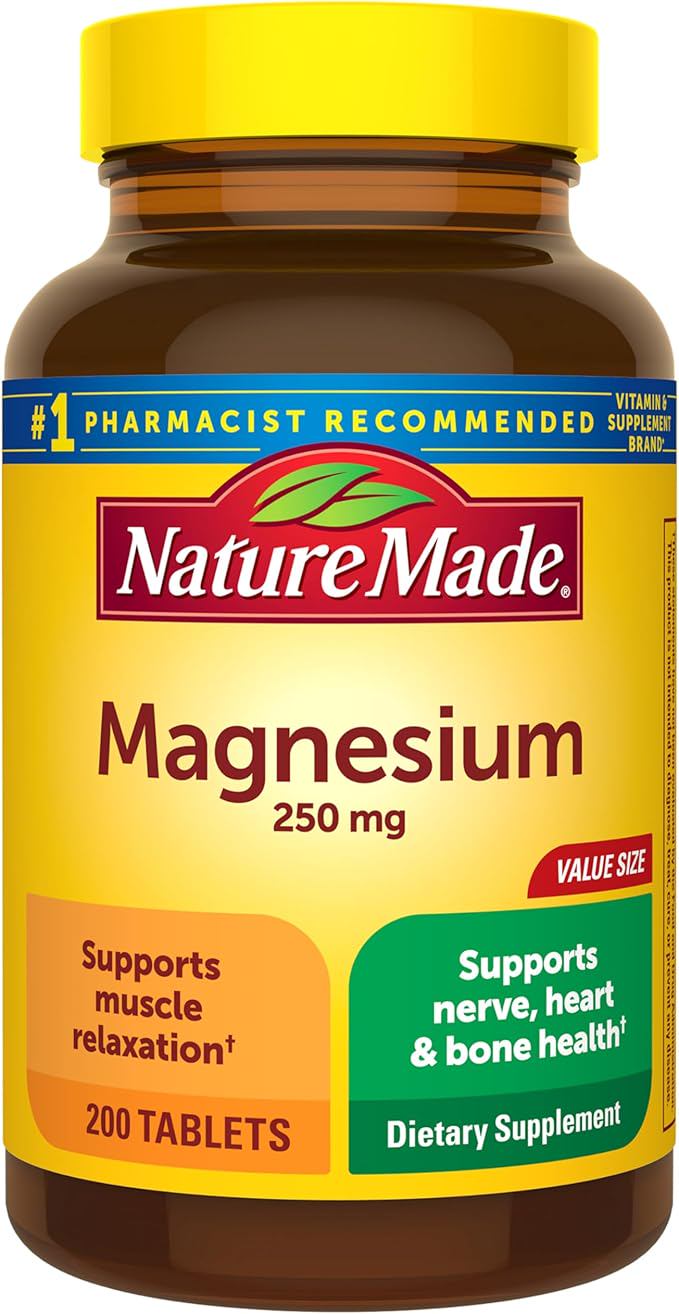
These two nutrients are critical for calcium absorption and bone metabolism. A calcium supplement without adequate vitamin D is like building a house but forgetting to unlock the door—calcium cannot get into the bloodstream efficiently. Magnesium helps convert vitamin D into its active form. Many women in menopause are low in both.
While the article focuses on the two most common behavioral mistakes, it is worth noting that correcting them often goes hand-in-hand with better overall micronutrient status. A protein-rich meal usually comes with more magnesium (from nuts, seeds, beans) than a carbohydrate-heavy one. And time outdoors for a brisk walk or weight session boosts vitamin D synthesis.
What to Do Instead: A Simple Framework
- Check your plate: At every meal, ask yourself if there is a palm-sized portion of protein. Add it if missing. Pair it with calcium-rich greens or dairy if possible.
- Swap one cardio session per week: Exchange one of your steady-state cardio days for a resistance training session. Over three months, aim for at least two strength workouts per week.
- Add impact in small doses: During your walking warm-up, do 10–15 heel drops (stand on your toes and drop hard onto your heels). This simple movement sends a powerful loading signal to the hip.
- Talk to your clinician: Before starting any new exercise or supplement regimen, discuss your personal fracture risk with your doctor. A DEXA scan provides the numbers you need to make informed decisions.
A final reminder: Bone is forgiving. Even if you have made these mistakes for years, the skeleton can respond to better habits. It is never too late to strengthen the frame that holds you up.