
Vaginal dryness is more than just a physical discomfort—it can affect confidence, connection, and the overall quality of intimacy. While hormonal changes, medications, or stress often play a role, sometimes the real culprits are everyday habits in the bedroom. Two common intimacy mistakes can quietly make dryness worse, and recognizing them is the first step toward more comfortable, pleasurable sex.
Mistake #1: Skipping enough arousal and foreplay
One of the most overlooked causes of vaginal dryness is simply not giving the body enough time to respond. Arousal isn’t just a mental switch—it triggers physical changes, including increased blood flow to the pelvic area and natural lubrication. When partners rush through foreplay or skip it entirely, the vagina may not have time to self-lubricate, leading to friction and discomfort.
Many people underestimate how long arousal takes, especially as they age or if they're stressed. Taking 15–20 minutes for gentle kissing, touching, and other forms of stimulation can make a significant difference. Pelvic floor exercises, like Kegels, can also help strengthen the muscles that support natural lubrication over time.
Mistake #2: Overusing or misusing certain products
Ironically, some products meant to enhance intimacy can actually contribute to dryness. Scented lubricants, flavored gels, and intimate washes often contain chemicals, alcohol, or fragrances that irritate sensitive vaginal tissue and strip away natural moisture. Even some personal lubricants contain ingredients like glycerin or parabens that can cause irritation or disrupt the delicate pH balance.
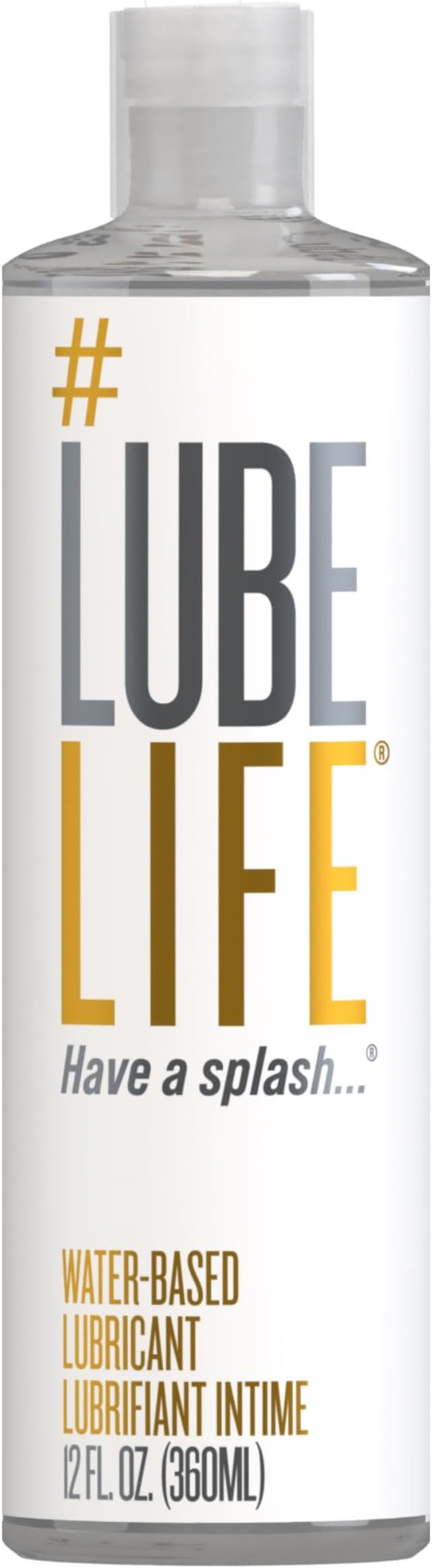
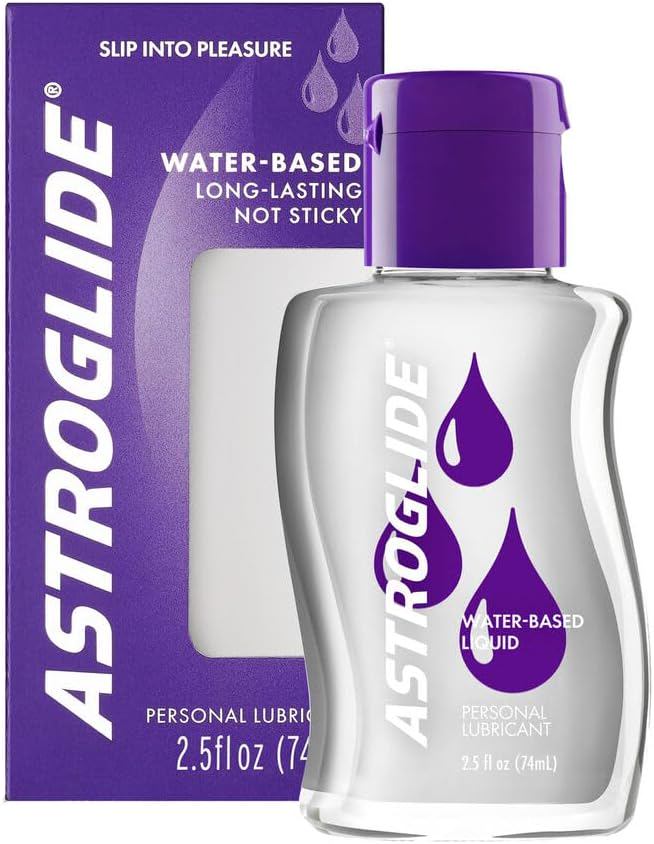
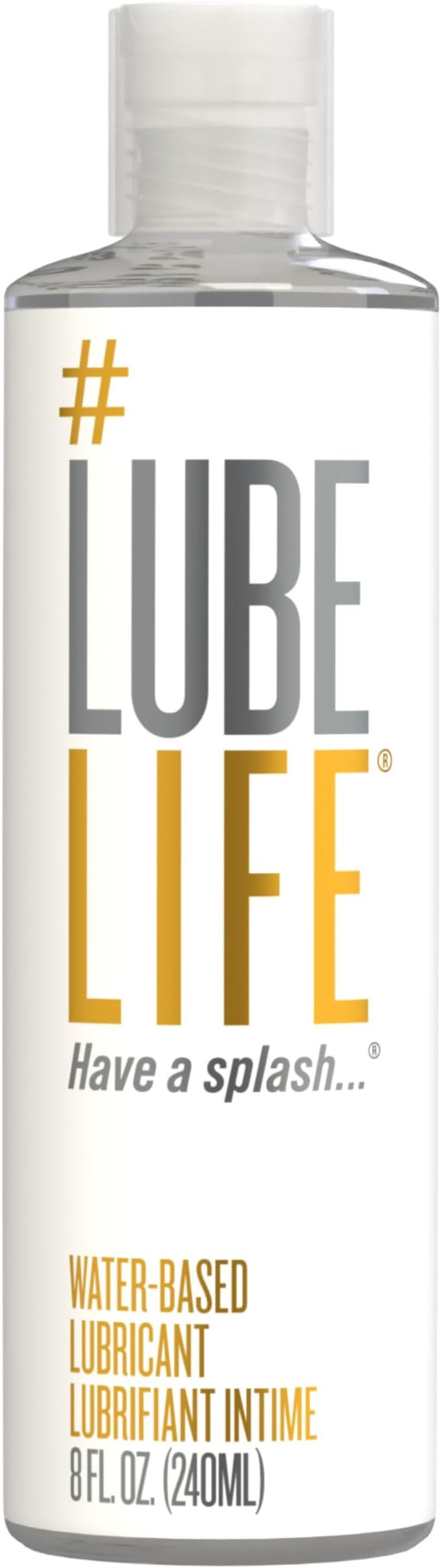
The safer choice is a high-quality, water-based or silicone-based lubricant without added fragrances, flavors, or harsh preservatives. If you use condoms, check that the lubricant is compatible (silicone lubes are fine with latex). Also, avoid douching or using soap directly on the vaginal area—plain warm water is usually enough for cleaning.
Why these mistakes matter
When dryness becomes a regular issue, it can lead to a cycle of anticipation of pain, anxiety, and avoidance of intimacy. That emotional tension only makes physical arousal harder, worsening the dryness. Understanding that the body needs time and the right environment can break this cycle.
Other factors—such as certain medications (antihistamines, antidepressants), hormonal changes (menopause, birth control), or health conditions (diabetes, Sjögren's syndrome)—can also contribute. But even in those cases, adjusting these two intimacy habits often provides noticeable relief.
Simple shifts for lasting comfort
- Prioritize foreplay. Make it a deliberate, unhurried part of your intimate time. Communicate what feels good and ask your partner to do the same.
- Choose lubricants wisely. Opt for unscented, water-based or silicone-based options. Test a small amount on your inner arm first if you have sensitive skin.
- Stay hydrated. Drinking enough water supports overall bodily moisture, including vaginal tissues.
- Talk about it. Sharing concerns with your partner reduces pressure and builds understanding. If dryness persists, a healthcare provider can help rule out underlying causes and recommend safe options like vaginal moisturizers or estrogen creams (only if prescribed).
A little patience and the right products can transform intimacy from a source of worry into one of genuine connection.
Vaginal dryness is common and treatable. By avoiding these two intimacy mistakes, you create the conditions for a more comfortable, enjoyable, and confident sex life.