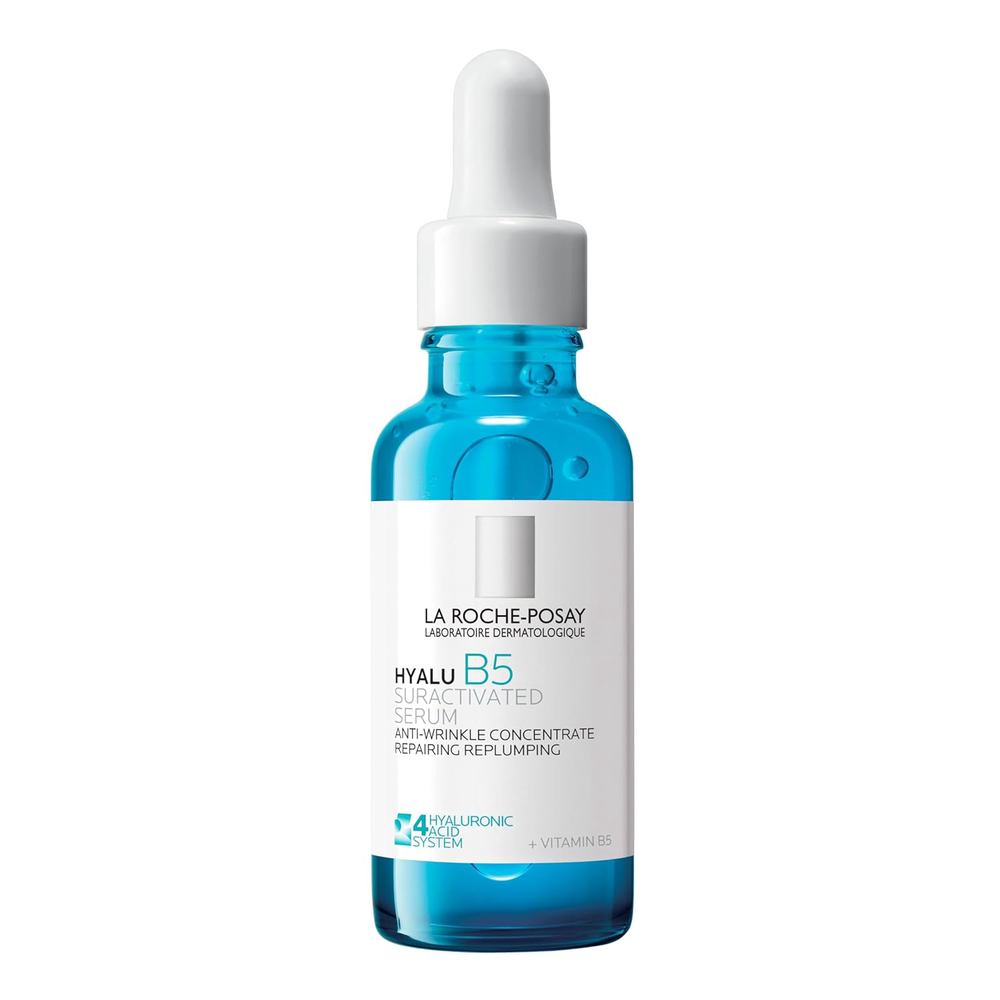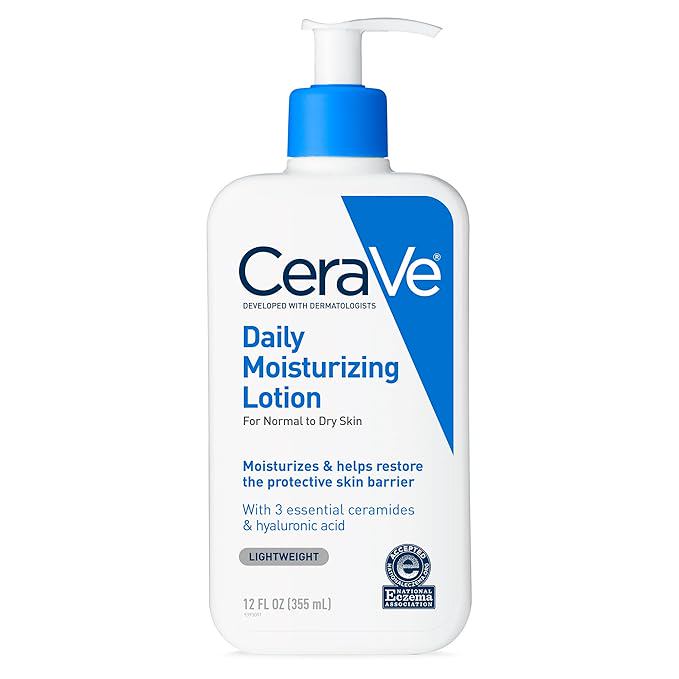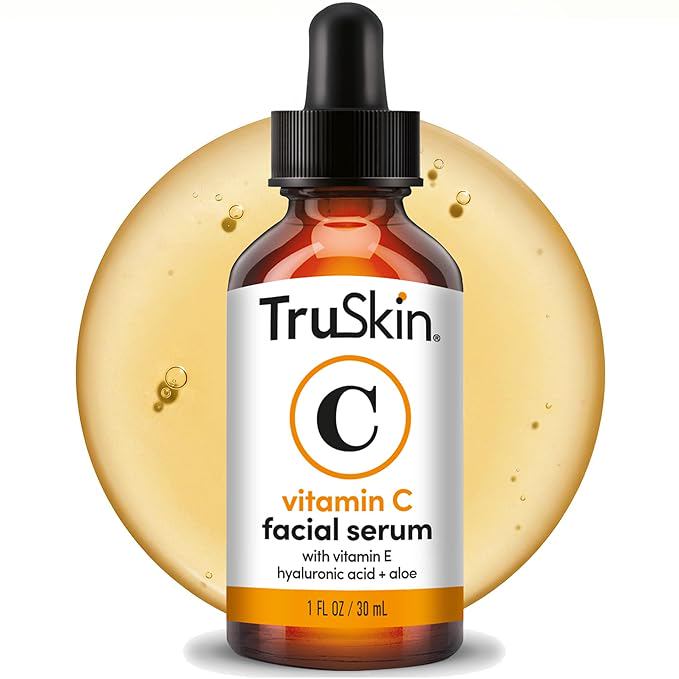

Exfoliation can feel like a shortcut to glowing skin, but a misstep often leaves you with more redness and breakouts than you started with. The difference between a smooth, clear complexion and irritated, congested skin often comes down to two common mistakes. Here’s how to identify them and what to do instead so your skin reaps the benefits without the backlash.
Mistake #1: Using the Wrong Exfoliant for Your Skin Type
Not all exfoliants are created equal, and grabbing the scrub that worked for your sister or a friend can be a fast track to trouble. The main categories are physical scrubs (think gritty particles) and chemical exfoliants (acids like AHAs and BHAs). Physical scrubs can be too harsh for many skin types, especially if you have sensitive, acne-prone, or dry skin. Large, jagged particles can create micro-tears in the skin barrier, leading to immediate redness, stinging, and inflammation. That irritation can then trigger breakouts.
On the other hand, chemical exfoliants like salicylic acid (a BHA) or glycolic acid (an AHA) work by dissolving the bonds that hold dead skin cells together. They tend to be gentler because they don’t require manual friction. However, even chemical exfoliants can cause redness and breakouts if you choose the wrong type or strength for your skin. For instance, a high-concentration glycolic acid can be too strong for sensitive skin, leading to a reaction called "purging" that looks like a breakout but is actually irritation.
The fix: If your skin is prone to redness or breakouts, start with a gentle chemical exfoliant like a low-percentage salicylic acid or a polyhydroxy acid (PHA). Patch-test any new product on your jawline for a few days before applying it all over your face.
Mistake #2: Exfoliating Too Often or Too Aggressively
More is not better when it comes to sloughing off dead skin. Over-exfoliation is one of the fastest ways to damage your skin’s moisture barrier. When you strip away the protective lipids and cells faster than your skin can repair them, you’re left with a compromised barrier. This leads to transepidermal water loss (dehydration), which can actually cause your oil glands to overproduce sebum in an attempt to compensate. The result? A greasy, red, irritated complexion that turns into the very breakouts you were trying to clear.
Signs of over-exfoliation include a tight, shiny look after your routine (almost like the skin is “waxy”), persistent stinging when applying moisturizer, and small, red bumps that aren’t typical whiteheads or blackheads. If you see any of these, stop all exfoliation for at least a week and focus only on gentle cleansing, soothing ingredients (like niacinamide or centella asiatica), and a simple moisturizer.
How often should you exfoliate? For most people, 1-3 times per week is plenty. If you have sensitive or reactive skin, start with once a week and only increase frequency if your skin handles it well. Pay attention to how your skin feels after each session, not just in the moment, but the next day. If you notice persistent redness, scaling, or new breakouts, you’re likely exfoliating too much.
- For oily, acne-prone skin: 2-3 times a week with a BHA (salicylic acid) is often a good rhythm.
- For dry or mature skin: 1-2 times a week with a gentle AHA (lactic acid) can help without causing irritation.
- For sensitive skin: Consider a very mild enzyme-based exfoliant or a low-concentration PHA once a week.
Practical Steps to Exfoliate Correctly
Getting it right is simpler than you might think. Here’s a quick guide to keep your skin calm and clear.
- Prep your skin properly: Always exfoliate on freshly cleansed skin. Do not use a scrub on skin that has just been washed with an active cleanser (like one with benzoyl peroxide).
- Use gentle pressure: If you are using a physical scrub, apply it with light, small circles. If you are using a chemical exfoliant, apply it with a smooth, even layer on a cotton pad or your fingertips, avoiding the eye area.
- Time it right: Do not leave a chemical exfoliant on longer than directed. Start with a 5-minute contact time before rinsing if you use a rinse-off formula, and never sleep in an exfoliant unless the label specifically says so.
- Hydrate immediately after: Exfoliation makes your skin more permeable, so follow up with a hydrating serum and a moisturizer to support your barrier repair. Cica (centella asiatica), hyaluronic acid, and ceramides are great choices here.
- Protect with sunscreen: Exfoliating makes your skin more sensitive to UV damage. Never skip broad-spectrum SPF 30 or higher the morning after any exfoliation session.
When to Stop Exfoliating and See a Professional
If you’ve already made these mistakes and your skin feels angry, red, or broken out, stop exfoliating for at least 10-14 days. Use only lukewarm water and a gentle, non-foaming cleanser. Focus on barrier repair with products containing ceramides, squalane, and panthenol. If the redness doesn’t improve, or if you develop pustules, swelling, or pain, consult a dermatologist. They can help differentiate between irritation and a true skin infection.
Exfoliation is a powerful tool, not a race. By avoiding these two common traps—using the wrong type and doing it too frequently—you can keep your skin balanced, calm, and actually clearer after each session.