
You’ve likely heard the usual advice for preventing wrinkles: wear sunscreen, moisturize, don’t smoke. But what about the small, everyday habits that you barely think about — the ones that could be deepening fine lines before you even notice?
According to dermatologists, two very common daily behaviors can quietly accelerate the formation of fine lines and wrinkles. They have nothing to do with your skincare routine and everything to do with how you move and rest your face throughout the day.
Habit #1: Repeated Facial Expressions (The “Expression Line” Effect)
Every time you squint, frown, or raise your eyebrows, the muscles beneath your skin contract. Over decades, those repeated contractions create grooves in the skin that eventually become permanent lines — even when your face is at rest.
Think about the last time you read something small on your phone, drove in bright sunlight without sunglasses, or concentrated hard on a screen. Chances are, you squinted. That repeated squinting motion targets the area between your eyebrows (glabellar lines) and the outer corners of your eyes (crow’s feet).
While it’s impossible — and unnatural — to stop all facial expressions, being mindful of when you tense your face can help. A few simple adjustments: wear UV-protective sunglasses outdoors, adjust your screen brightness and font size to avoid squinting, and occasionally check in with your face during the day to see if you’re unconsciously frowning or tensing your jaw.
Habit #2: Sleeping in a Position That Compresses the Face
Your sleep position matters more than you might think. If you consistently sleep on your stomach or side with your face pressed into a pillow, you’re creating mechanical compression and stretching of the skin for seven to eight hours every night. Over time, this can lead to what dermatologists call “sleep lines” — wrinkles that eventually become etched into the skin.
Unlike dynamic wrinkles from expressions, sleep lines are caused by pressure and folding of the skin. They often appear on the cheeks, chin, and forehead — and because the same creases are repeated night after night, they can become permanent.
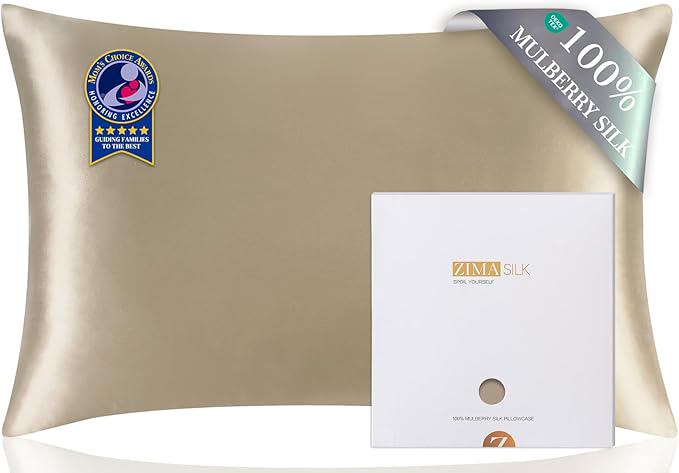
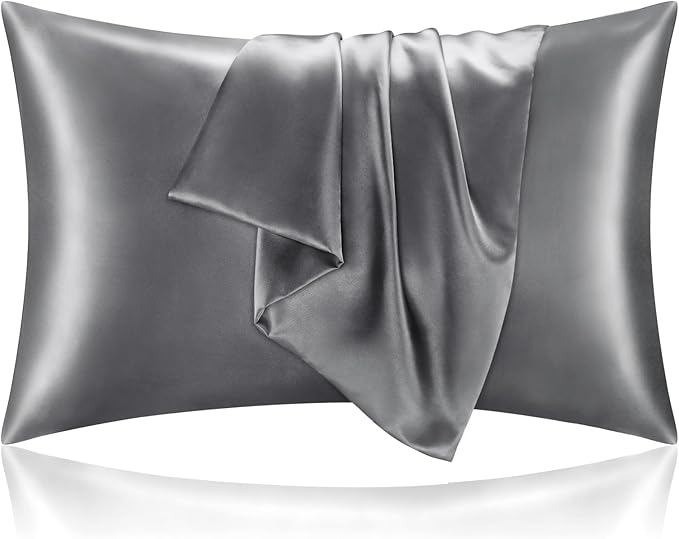
A switch to sleeping on your back is the most effective fix. If that feels uncomfortable, try using a silk or satin pillowcase, which creates less friction and folding compared to cotton. A contoured anti-wrinkle pillow designed to reduce facial contact can also help.
Why These Habits Matter More Than You Think
Fine lines don’t appear overnight. They are the cumulative result of small, repeated behaviors that stress the skin’s supportive network of collagen and elastin. Over time, the skin loses its ability to bounce back, and those temporary creases become permanent wrinkles.
The encouraging news: you have more control than you realize. Unlike intrinsic aging (which is genetically driven), these habits are fully modifiable. Adjusting how you hold your face during the day and changing your sleep position at night are two of the simplest, most affordable anti-aging strategies available — no serums, lasers, or injections required.
If you already have fine lines that bother you, don’t worry. Once you stop reinforcing them, the skin can gradually recover some smoothness, especially if you combine habit changes with a consistent skincare routine that includes a retinoid, moisturizer, and daily sunscreen.
Small shifts in daily behavior can add up to noticeably smoother skin over time — and that’s a habit worth keeping.