
Your skin care routine starts with cleansing, but it’s also where many of us go wrong without realizing it. Two of the most common cleansing mistakes can leave skin feeling tight, flaky, or red—and worse, they can damage the skin barrier over time. Here’s what to watch for, and how to get your cleanse back on track.
Mistake #1: Using a Cleanser That’s Too Harsh for Your Skin Type
Not all cleansers are created equal. If you choose a product that strips away natural oils—say, a sulfate-heavy foaming wash for dry skin, or an overly astringent formula for sensitive skin—you’ll likely experience that uncomfortable “squeaky clean” feeling. That’s actually a sign of dryness. Over time, this damages the moisture barrier, leading to redness, flaking, and irritation.
What to do instead: Look for gentle, hydrating cleansers with ingredients like glycerin, ceramides, or aloe. Creamy or milky formulas are often kinder to dry or sensitive skin, while gel or foaming options can work for oily types—but avoid anything that leaves your skin feeling tight after rinsing.
Mistake #2: Over-Cleansing (Frequency and Duration)
Cleansing too often—or scrubbing for too long—can also trigger problems. Some people wash their face three or more times a day, or spend a full two minutes aggressively massaging a cleanser into their skin. That amount of friction and product contact can strip natural lipids and disrupt the skin’s pH balance, inviting dryness and irritation.
What to do instead: Limit face washing to once in the morning and once before bed. For oily skin, a second midday rinse with plain water is fine if needed. And keep the cleansing time to about 30–60 seconds—long enough to remove makeup and impurities, but not so long that you scrub away healthy oils.
How to Fix Your Routine Without Causing More Harm
If your skin is already feeling dry or irritated, don’t add extra products right away. Correcting the cleansing step itself is usually enough. Here’s a calm, step-by-step approach:
- Switch to a gentle cleanser. Choose one labeled for sensitive skin or barrier support. Avoid sulfates, alcohol, and strong fragrance.
- Use lukewarm water. Hot water strips oils; cold water doesn’t clean as well. Warm works best.
- Pat dry (don’t rub). Use a soft, clean towel and pat gently—rubbing increases irritation.
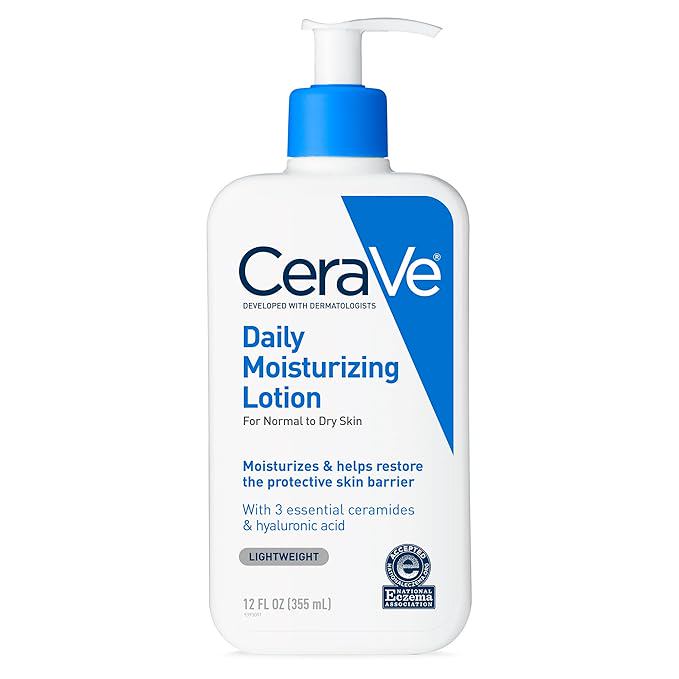
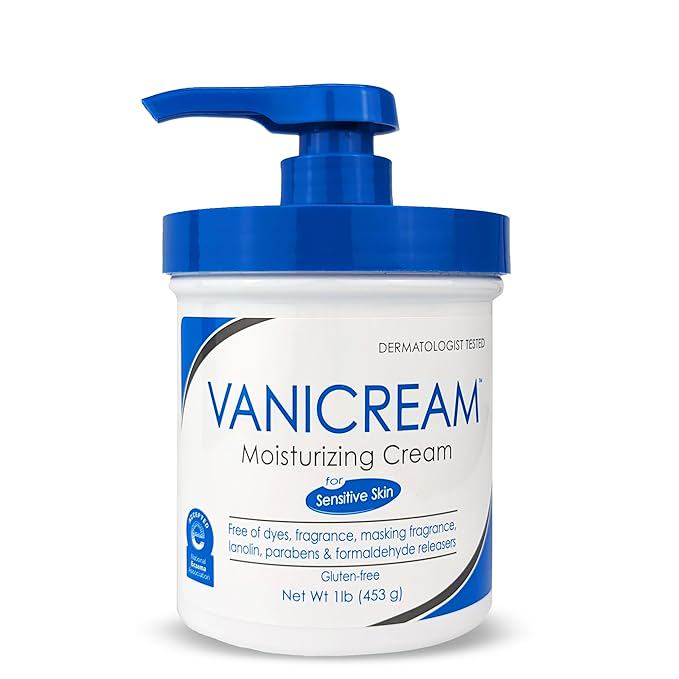
- Apply a moisturizer while skin is still damp. This helps lock in hydration and supports the barrier.
If dryness or redness persists beyond a few days of these adjustments, consider consulting a dermatologist to rule out underlying conditions such as contact dermatitis or rosacea.
Quick takeaway: A gentle, brief cleanse—once or twice a day—with a hydrating formula is your best defense against dryness and irritation.
Common Questions About Cleansing and Skin Barrier Health
Understanding how cleansing affects your skin can help you make better choices. Below are three real questions readers often ask about this topic.
Can I still exfoliate if my skin is sensitive or dry?
Yes, but go easy. If your skin is already showing signs of irritation, pause exfoliation for a week. When you reintroduce it, choose a gentle chemical exfoliant (like lactic acid or PHAs) once a week, and avoid scrubs or brushes that can further damage the barrier.
Is double cleansing safe for dry or sensitive skin?
Double cleansing—using an oil-based cleanser first, followed by a water-based one—can be fine if done gently and only in the evening. Stick to non-stripping formulas and skip the second cleanse in the morning. For very dry or reactive skin, consider single cleansing with a gentle micellar water or milk cleanser.
How do I know if my cleanser is too harsh for my skin?
Signs include tightness, redness, stinging, or flaking shortly after washing. If your skin feels dry or uncomfortable within five minutes of cleansing, the formula may be too strong. Another clue: if your face feels “squeaky,” it’s usually a bad sign—healthy skin should feel soft and smooth, not stripped.