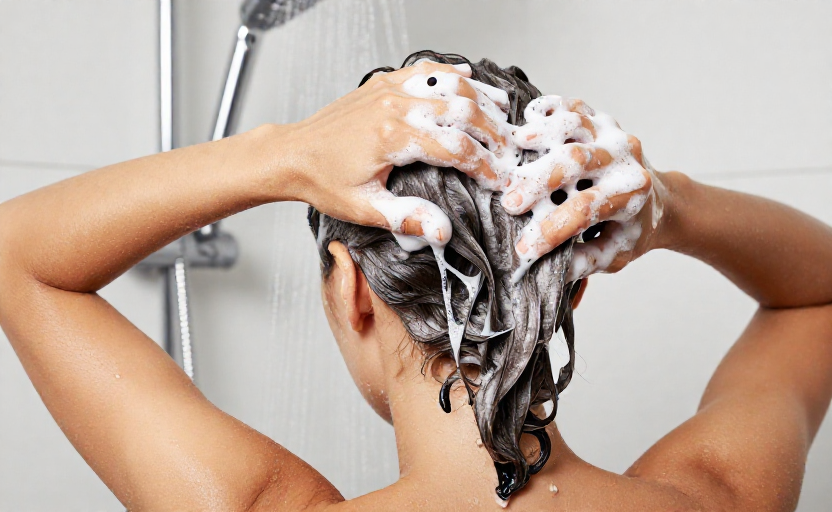
Keeping your scalp healthy starts with how you wash it. But many people unknowingly make mistakes during their cleansing routine that throw off the scalp's natural balance—leading to issues like excess oil, dryness, flaking, or irritation. When your scalp's microbiome and pH are disrupted, your hair suffers too. Here are two common cleansing mistakes that can disturb that delicate equilibrium, plus what to do instead.
Mistake #1: Shampooing Too Often (or Not Enough)
Frequency matters more than most people realize. Washing your hair every single day strips away the scalp's protective sebum layer, which can trigger a rebound effect: your scalp produces even more oil to compensate. On the flip side, going too long between washes allows sebum, dead skin cells, and product buildup to accumulate, creating a breeding ground for yeast and bacteria that can lead to dandruff or itchiness.
The sweet spot varies by hair type and lifestyle. Oily scalps may need washing every other day, while drier or curly hair types often do well with two to three times per week. Listen to your scalp: if it feels tight, itchy, or looks flaky within hours of washing, you're likely over-cleansing. If it feels greasy or heavy by the second day, you may need a gentler but more frequent wash.
Mistake #2: Using Harsh or Wrong Type of Shampoo
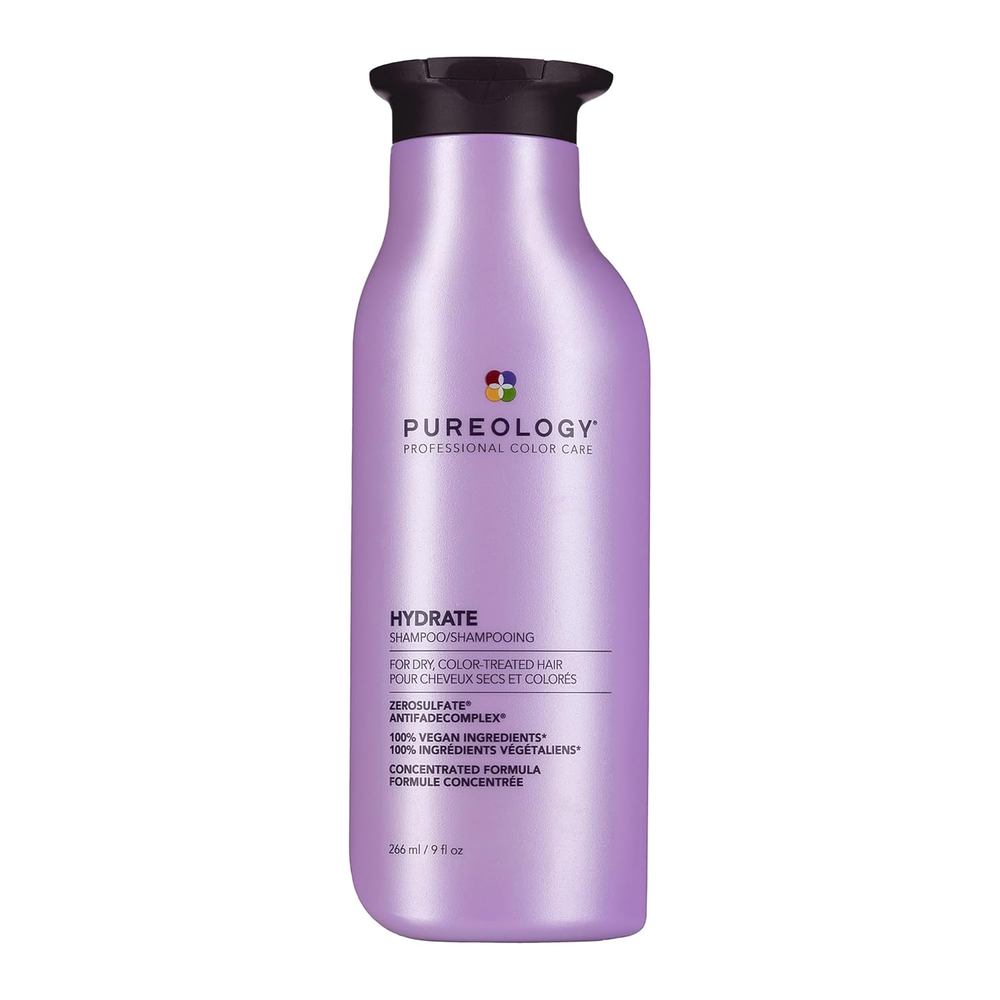
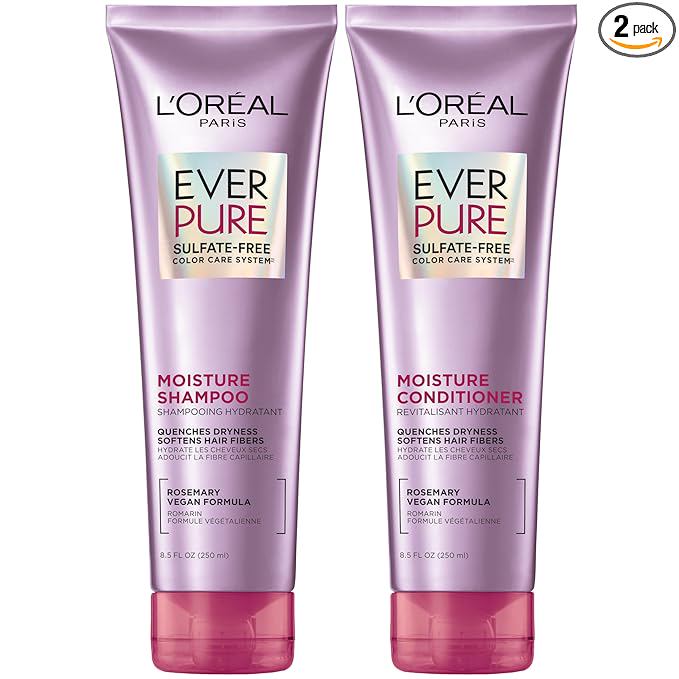
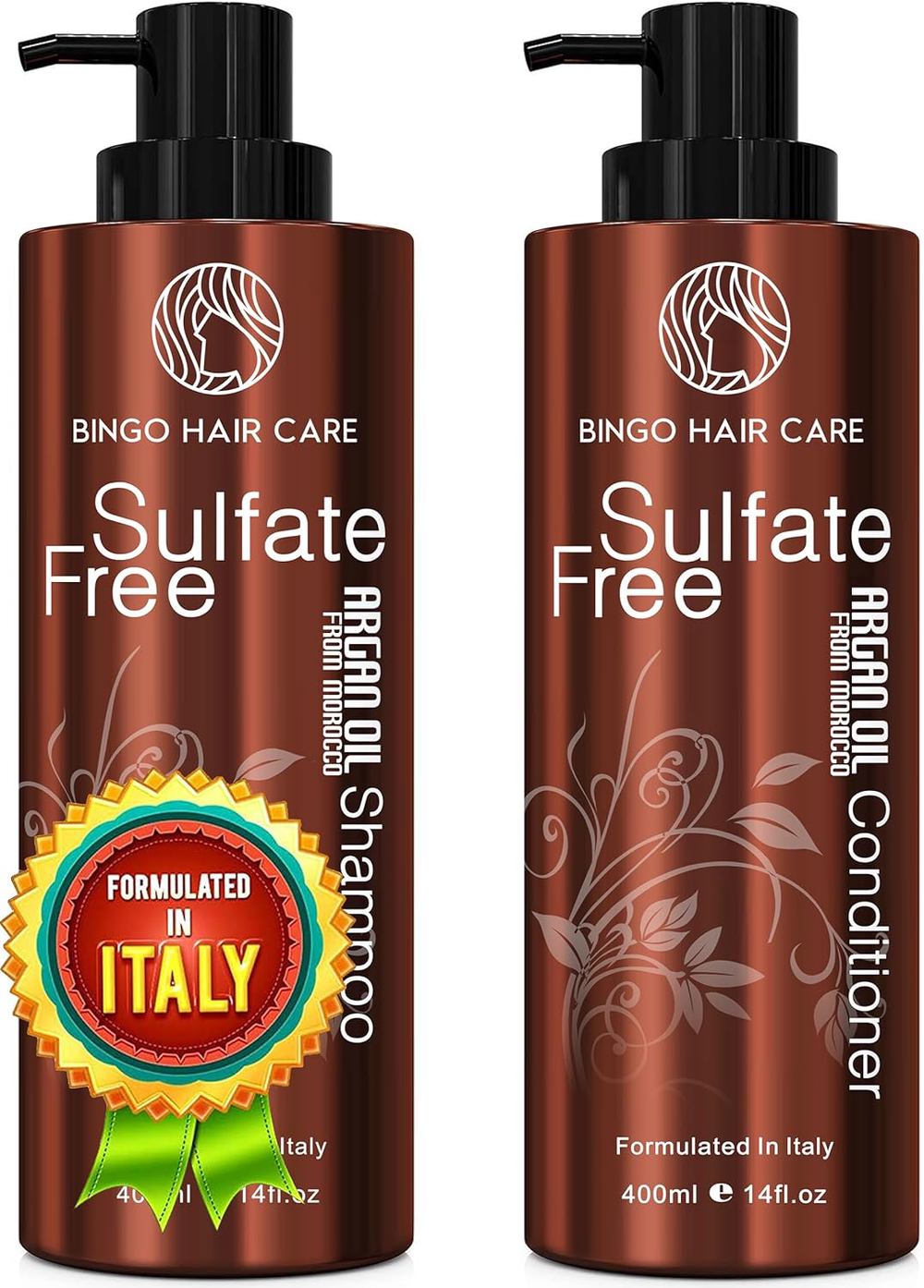
Not all shampoos are created equal. One of the biggest scalp disruptors is using a shampoo with strong sulfates (like sodium lauryl sulfate or sodium laureth sulfate) as the main cleansing agent. While these create a satisfying lather, they also strip away natural oils and irritate the scalp barrier. Similarly, shampoos designed for a different hair type than yours—like a heavy moisturizing formula for an oily scalp, or a clarifying shampoo used daily—can throw pH and moisture levels off balance.
What to look for: a gentle, pH-balanced shampoo (around 4.5–5.5) that matches your scalp's needs. If you have a sensitive or easily irritated scalp, seek sulfate-free options. If you deal with dandruff, choose a targeted formula with ingredients like zinc pyrithione or salicylic acid, but don't use it every day unless directed.
A simple rule: your scalp should feel clean and comfortable—not squeaky, tight, or greasy—after washing.
How to Restore Your Scalp's Natural Balance
If you've been making either of these mistakes, don't worry. Your scalp can recover with some adjustments. Start by dialing in your wash frequency based on the cues above. Switch to a mild shampoo that suits your scalp type. And consider a weekly scalp treatment, like a gentle exfoliating scrub or a soothing mask with ingredients like aloe, green tea, or niacinamide, to help reset the environment.
One more tip: pay attention to water temperature. Hot water strips moisture even faster. Rinse with lukewarm water, and finish with a cool rinse to help seal the cuticle and calm the scalp. Consistency is key—give your scalp a few weeks to rebalance, and you should notice less irritation, more even oil production, and healthier-looking hair.
Small changes to your routine can have a big impact. Cleansing isn't just about removing dirt—it's about respecting your scalp's ecosystem.