
Attachment styles shape how we connect with others, but even secure relationships need conscious upkeep. Therapists emphasize that two specific boundary-setting practices can transform how you relate to partners, friends, and family. These aren't about building walls — they're about creating clear, compassionate lines that protect your well-being while deepening trust.
What makes a boundary "healthy" in attachment work?
Healthy boundaries are flexible yet firm. They let you say "I need space" without guilt, and "I'm here for you" without losing yourself. According to relationship therapists, the goal is to shift from reactive boundaries (built during conflict) to intentional ones (set before tension arises).
“Boundaries are not about controlling the other person — they’re about taking responsibility for your own emotional safety.”
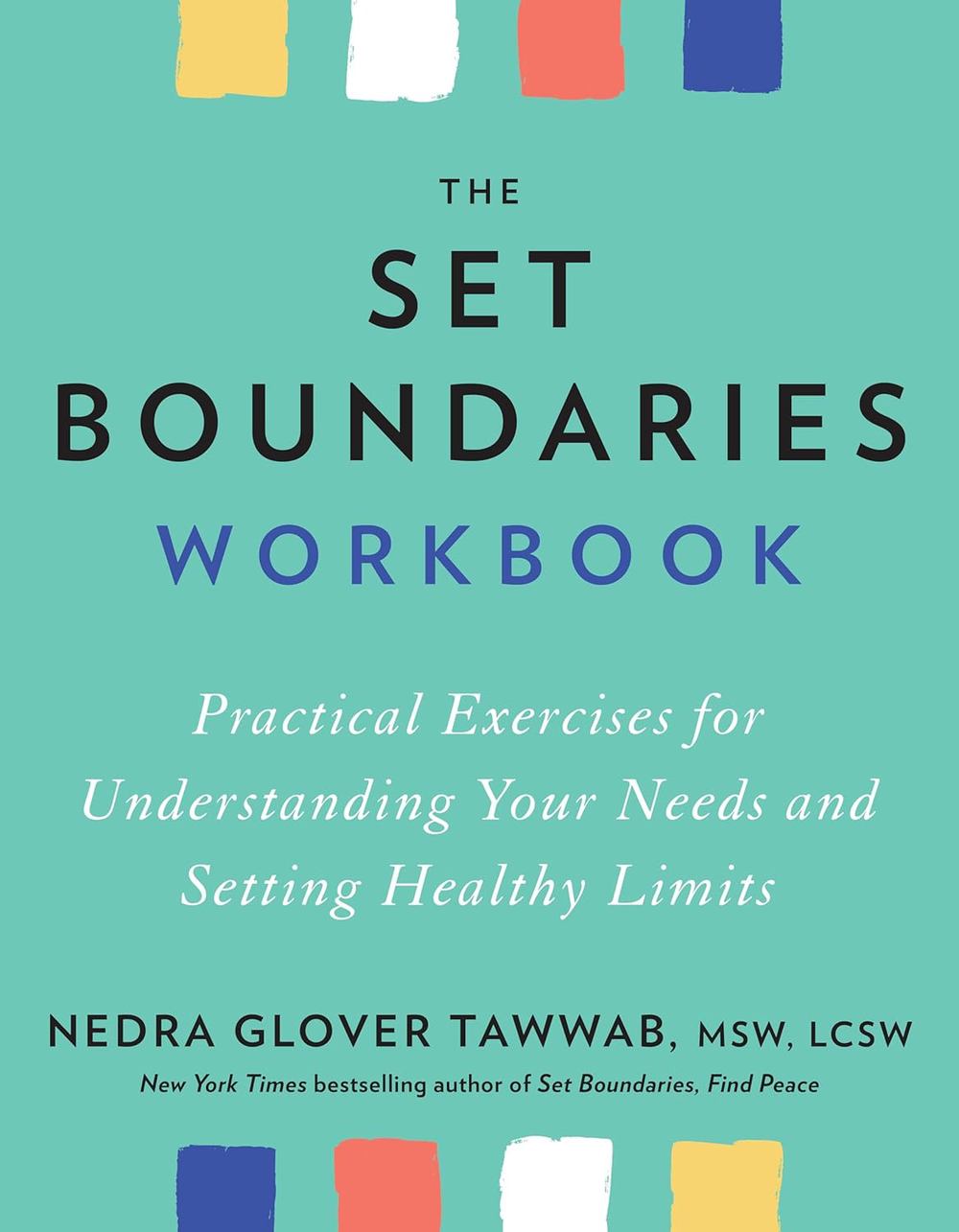
The two core practices that support healthier attachment are: emotional differentiation — the ability to separate your feelings from someone else's — and explicit request-making, where you state what you need rather than hinting or hoping.
Practice 1: Emotional differentiation
Emotional differentiation means you can hold your own feelings without being swept away by a partner's mood or expectations. When practiced regularly, it reduces codependency and anxious attachment patterns.
How to try it today
- Pause before reacting in a charged conversation. Ask yourself: Is this my feeling, or am I absorbing theirs?
- Use "I statements" that reflect your inner state: "I feel overwhelmed when plans change last minute" rather than "You always mess up the schedule."
- Take a short solo walk after a difficult talk to reset your emotional baseline.
Therapists note that this practice strengthens the secure attachment brain: you learn that intimacy does not require merging. You can be close and still be yourself.
Practice 2: Explicit request-making
Many attachment ruptures happen not because someone refused a need, but because it was never clearly stated. Explicit request-making is the habit of stating your wants directly, without apology or accusation.
For example, instead of saying, "You never spend time with me," you might say, "I'd love for us to have dinner together on Friday night — are you available?" This reduces defensiveness and invites collaboration.
A simple boundary script: “I need X. Can we talk about how that might work for both of us?”
Make it routine
- Schedule a weekly check-in with your partner where each person makes one explicit request.
- For non-romantic relationships, use the same format: "I'd appreciate it if we could keep phone calls under 20 minutes. Does that feel okay to you?"
- Practice with low-stakes needs first — it builds the skill.
How these practices reshape attachment
Attachment theory, developed by John Bowlby and Mary Ainsworth, shows that our early caregiving experiences shape how we seek closeness. But the brain is plastic: repeated boundary-setting can rewire patterns.
When you differentiate emotionally, you signal to your nervous system that you are safe even when someone else is upset. When you make explicit requests, you build a track record of being heard — which fuels secure attachment over time.
Therapists caution that boundary-setting may feel awkward or selfish at first, especially for people with anxious or avoidant styles. But discomfort is part of growth. Start small, stay consistent, and watch how your relationships gain breathing room and resilience.