
Restless legs syndrome (RLS) can turn the quiet of night into a frustrating battle. The creeping, pulling, or crawling sensations in the legs make it nearly impossible to settle into sleep, and the urge to move them can feel almost uncontrollable. While medical treatments exist, many people look for simple, natural ways to find relief at home. Small dietary adjustments—especially what you drink in the evening—may help calm those sensations and ease the transition into rest.
Below, we look at two bedtime drinks that have shown promise for supporting mild RLS symptoms. Neither is a cure, but both work with the body's natural chemistry to potentially reduce discomfort and promote relaxation. As always, check with your healthcare provider before making changes, especially if you have an underlying condition like iron deficiency or kidney issues.
How Diet and Hydration Affect RLS
Restless legs syndrome has multiple potential triggers, including low iron stores, dopamine imbalances, and nerve signaling problems. Caffeine and alcohol can aggravate symptoms for some people, while certain nutrients and hydration may help. The drinks discussed here focus on magnesium, electrolytes, and compounds that support nerve calm and muscle relaxation.
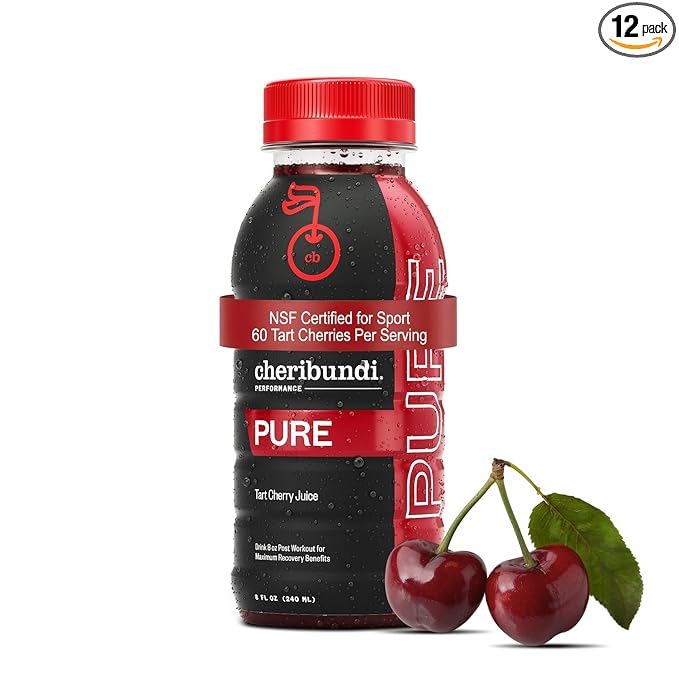
Tart Cherry Juice
Tart cherry juice has gained attention for its natural melatonin content and anti-inflammatory properties. Melatonin is the hormone that regulates sleep-wake cycles, and while the amount in cherry juice is modest, it may help signal to your body that it is time to wind down. Chronic inflammation is also thought to play a role in RLS severity, and tart cherries are rich in anthocyanins—antioxidants that combat oxidative stress.
One small study published in the Journal of Medicinal Food found that older adults with insomnia who drank tart cherry juice experienced significant improvements in sleep efficiency and duration. For someone with RLS, the benefit may be twofold: reduced inflammation around nerve tissue and an easier drift into deeper sleep stages. Look for unsweetened, pure tart cherry juice (often sold as Montmorency cherry juice) and dilute it with sparkling water if the taste is too tart.
A note on caution: Tart cherry juice is high in natural sugars and can affect blood glucose. People with diabetes or those watching their sugar intake should account for this in their meal plan.
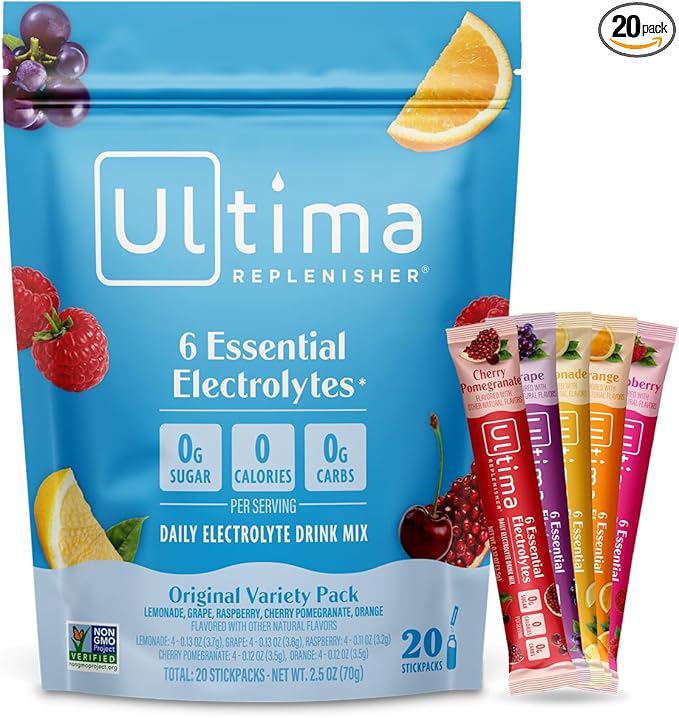
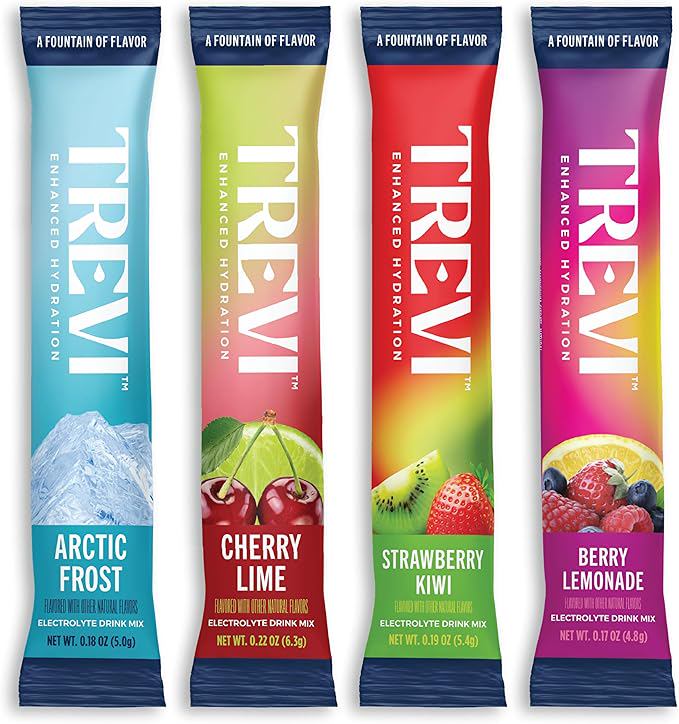
Sugar-Free Electrolyte Drink (with Magnesium)
Magnesium is one of the most studied minerals for muscle relaxation and nerve transmission. Low magnesium levels have been linked to muscle cramps, twitching, and in some cases, worsened RLS symptoms. While the research is not unanimous, many RLS sufferers report that magnesium supplementation—especially in the form of magnesium glycinate or citrate—helps reduce the intensity of leg sensations at night.
A sugar-free electrolyte drink that contains magnesium (along with potassium and sodium in balanced amounts) can serve double duty: it hydrates the tissues and supplies minerals that muscles and nerves need to function without excess excitability. Dehydration alone can increase muscle irritability, so drinking a small amount before bed might prevent nighttime cramps and restlessness.
When choosing an electrolyte mix, check the label for added sugar or artificial stimulants like taurine or caffeine. Plain magnesium powder stirred into water is another option, but an electrolyte blend often provides a more complete mineral profile.
How to Use Both Drinks Safely
- Try one drink at a time, not both on the same night, so you can observe how your body responds.
- Sip them about 30–60 minutes before you intend to sleep. Avoid chugging large volumes right before bed to prevent nighttime bathroom trips.
- Keep portions small—around 4 to 6 ounces of cherry juice or one serving of electrolyte drink.
- If you have kidney disease, heart conditions, or take blood pressure medication, consult your doctor before adding electrolyte drinks or cherry juice.
Other Bedtime Habits That Support RLS Relief
Drinks alone may not fully resolve RLS. Combining them with consistent sleep hygiene often yields better results. Gentle stretching of the calves and hamstrings, a warm bath an hour before bed, and avoiding screens for thirty minutes can all lower nervous system arousal. Iron status should also be checked—low ferritin is one of the most common correctable causes of RLS. If your levels are low, an iron supplement under medical guidance may be more effective than any drink.
Keep in mind that alcohol and caffeine are known RLS triggers for many people. Even a small glass of wine or an afternoon coffee can stir up leg sensations hours later. Experiment with cutting these out for two weeks to see if your baseline improves.
Restless legs syndrome is a complex neurological disorder, and no single bedtime drink will work for everyone. Tart cherry juice and magnesium-rich electrolyte drinks represent two low-risk, inexpensive options worth exploring. They are not replacements for prescribed medication or iron therapy, but they can be part of a broader strategy to calm your legs and reclaim your sleep. Listen to your body, keep a simple symptom journal, and bring your observations to your doctor for a fuller picture of what might help you long term.