When your scalp feels tender, itchy, or unusually sensitive, it’s easy to blame a new shampoo, the weather, or just bad luck. But if that sensitivity lingers — especially when accompanied by redness, flaking, or a burning sensation — the culprit might be sitting on your plate, not in your DNA. While genetics certainly influence hair thickness and graying patterns, scalp sensitivity is one symptom that often points directly to diet.
Many people assume that a reactive scalp is a permanent trait, like curly hair or fair skin. Yet research increasingly shows that what you eat can either calm or provoke the nerve endings and oil glands in your scalp. Recognizing this connection gives you a chance to address the root cause instead of layering on more products.
What Does Diet-Driven Scalp Sensitivity Look Like?
Not all scalp discomfort is the same. Sensitivity rooted in diet tends to feel diffuse rather than patchy. You might notice a general tenderness when brushing your hair, a persistent itch that doesn’t respond to dandruff shampoos, or a warm, prickly sensation after certain meals. Unlike genetic conditions such as androgenetic alopecia, which follows a predictable pattern, diet-related sensitivity often fluctuates. It may worsen after a weekend of indulgent eating and improve after a few days of clean, whole foods.
Common triggers include spicy foods, high-sugar snacks, dairy, and alcohol. These can stimulate inflammation throughout the body, and the scalp’s dense network of blood vessels and nerve endings makes it a prime target. If your scalp feels angry after pizza night or a glass of wine, your diet is likely the driver.
The Science Behind Food and Scalp Inflammation
Your scalp is skin — and like the skin on your face or body, it reacts to systemic inflammation. When you eat foods that spike blood sugar or trigger an immune response, your body releases pro-inflammatory cytokines. These molecules can reach the scalp and irritate hair follicles, leading to redness, flaking, and pain.
One overlooked contributor is a high glycemic load. Diets rich in refined carbohydrates and sugars can elevate insulin levels, which in turn may increase sebum production and foster an environment where yeast and bacteria thrive. This imbalance often manifests as an itchy, sensitive scalp that mimics seborrheic dermatitis.
Another factor is food intolerances. Dairy, gluten, and eggs are common offenders. For people with undiagnosed sensitivities, these foods can trigger low-grade inflammation that shows up as scalp tenderness, dandruff, or even hair shedding. Unlike a full-blown allergy, these reactions may take hours or days to appear, making the link easy to miss.
How to Tell If Your Scalp Sensitivity Is Diet-Related
Pinpointing the cause requires a bit of detective work. Start by keeping a simple food and symptom diary for two weeks. Note everything you eat and rate your scalp comfort on a scale of 1 to 10 at the end of each day. Look for patterns: Does the sensitivity peak after meals heavy in sugar or dairy? Does it improve on days when you eat mostly vegetables, lean protein, and healthy fats?
You can also try an elimination diet. Remove the most common triggers — dairy, gluten, added sugar, and alcohol — for 10 to 14 days. If your scalp calms down during that period, reintroduce one food group at a time and watch for a reaction. This isn’t about permanent restriction; it’s about identifying your personal triggers.
A quick test: If your scalp feels better after a week of eating whole, unprocessed foods, and worse after a high-sugar meal, the link is likely dietary, not genetic.
Nutritional Habits That Soothe a Sensitive Scalp
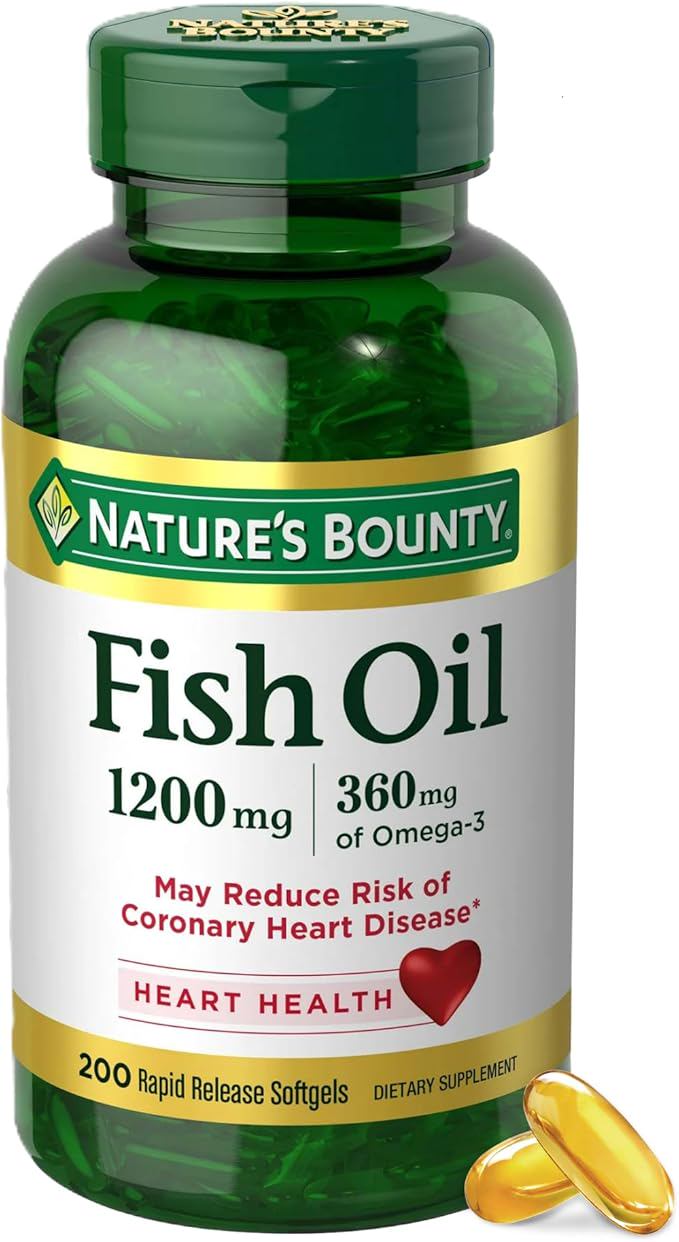
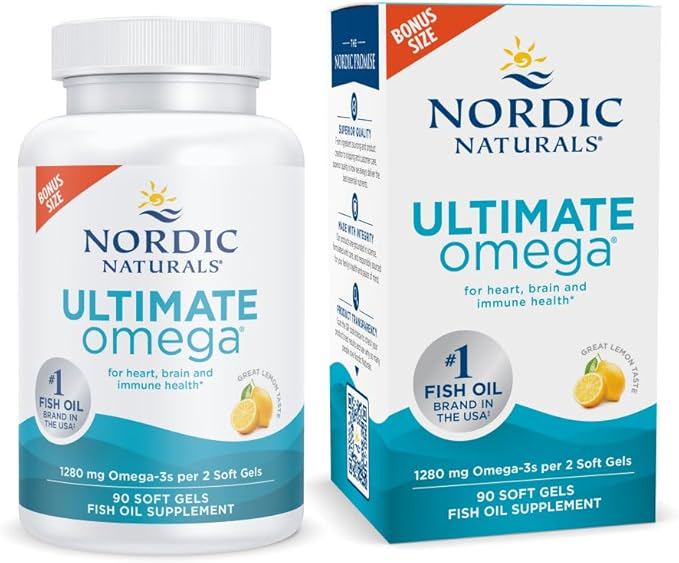
Once you suspect diet is the cause, you can shift toward foods that calm inflammation and support healthy skin. Omega-3 fatty acids — found in salmon, walnuts, flaxseeds, and chia seeds — help reduce the inflammatory response. Zinc, present in pumpkin seeds and chickpeas, supports the skin barrier and may reduce flaking. Vitamin D, often low in people with chronic scalp issues, is worth checking with a simple blood test.
Meanwhile, avoid foods that ramp up inflammation for at least a few weeks. This means cutting back on:
- Refined sugar and high-fructose corn syrup
- White bread, pasta, and pastries
- Fried foods and trans fats
- Excessive alcohol
- Dairy, if you suspect a sensitivity
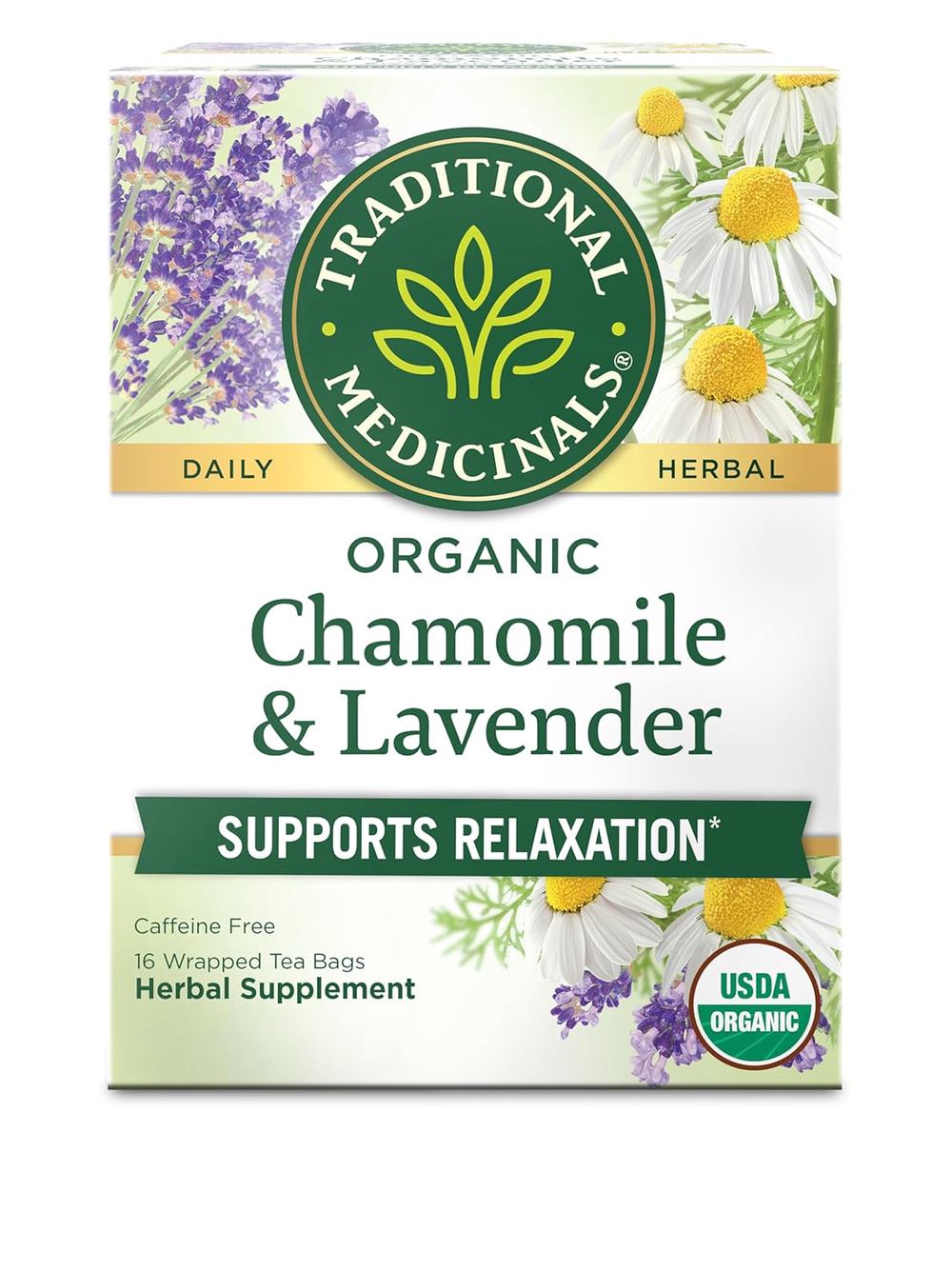
Hydration matters too. Dehydrated skin — including the scalp — can feel tight, itchy, and more reactive. Aim for at least eight glasses of water daily, and consider herbal teas like chamomile or ginger, which have mild anti-inflammatory properties.
When to Look Beyond Diet
Of course, not every scalp sensitivity is dietary. Psoriasis, eczema, contact dermatitis from hair products, and fungal infections can all cause similar symptoms. The key difference is persistence and pattern. If your scalp remains painful despite dietary changes, or if you notice pustules, significant hair loss, or fever, consult a dermatologist or a primary care provider.
Likewise, genetics do play a role in conditions like dandruff-prone skin or a tendency toward androgenetic alopecia. But even in those cases, diet can either amplify or reduce the severity of symptoms. Think of nutrition as a lever you can pull — it may not rewrite your DNA, but it can powerfully influence how your body expresses those genetic tendencies.
The next time your scalp feels tender, skip the medicated rinse and look at your dinner plate instead. Sometimes the most effective remedy isn’t a product at all — it’s what you choose not to eat.