
You settle into bed after a long day, your body ready for rest. But just as your mind starts to drift, an uncomfortable sensation begins deep in your legs. That crawling, pulling, or prickling feeling makes it impossible to stay still. You move your legs, and the feeling fades, only to return moments later. For the millions of people who live with restless legs syndrome (RLS), this is a nightly struggle. And often, the culprit is something you consumed just a few hours earlier.
While RLS has many triggers—from iron deficiency to certain medications—what you drink in the evening can play a surprisingly powerful role in either sparking or soothing those nighttime symptoms. Here is a close look at one common evening beverage that can aggravate RLS, plus two drinks that may help you find relief.
The drink that can trigger RLS symptoms
If you reach for a glass of wine, a beer, or a cocktail to wind down after work, you may be making your restless legs worse. Alcohol is a well-documented trigger for RLS symptoms. Studies suggest that alcohol disrupts the normal sleep architecture and alters neurotransmitter activity in the brain, specifically dopamine pathways, which are deeply involved in RLS. For many people, even moderate alcohol consumption in the evening can bring on symptoms within a few hours or intensify existing ones during the night.
This does not mean you cannot ever enjoy a drink. But if you notice a pattern—your legs acting up more on nights you have had alcohol—it may be worth experimenting. Some people with RLS find they can tolerate a single drink early in the day, while others need to cut it out entirely to sleep peacefully. The timing matters: drinking close to bedtime is more likely to cause problems than having a drink with lunch.
A glass of wine or beer within three hours of bedtime is one of the most commonly reported triggers for restless legs syndrome episodes.
What about caffeine?
Caffeine is another classic RLS aggravator, though it affects people differently. For some, even a small amount of caffeine in the afternoon—from coffee, tea, or soda—can make legs restless at night. Caffeine is a stimulant that increases nerve activity and can interfere with the deep, restorative stages of sleep. People with RLS often have what is called a low threshold for sensory stimuli, and caffeine essentially turns up the volume on the nervous system.
If you are sensitive to caffeine, try cutting it off by early afternoon. Some people with RLS find they can handle morning coffee without issues but cannot tolerate any caffeine after 2 PM. Because individual sensitivity varies widely, keeping a simple symptom diary for a week or two can help you pinpoint your personal limit.
Drink that may help: tart cherry juice
While alcohol and caffeine can trigger RLS, certain drinks may actually calm the nervous system and reduce symptoms. Tart cherry juice has emerged as a surprising contender for nighttime relief. Tart cherries are naturally rich in melatonin, the hormone that regulates the sleep-wake cycle, and also contain anti-inflammatory compounds called anthocyanins.
A small study published in the Journal of Medicinal Food found that older adults who drank tart cherry juice experienced modest improvements in sleep duration and quality. The anti-inflammatory effects may also help reduce the muscle discomfort and aching that often accompany RLS. To try it, drink about 8 ounces of unsweetened tart cherry juice about an hour before bed. Look for varieties without added sugar, as sugar can be stimulating for some individuals.
Drink that may help: chamomile tea
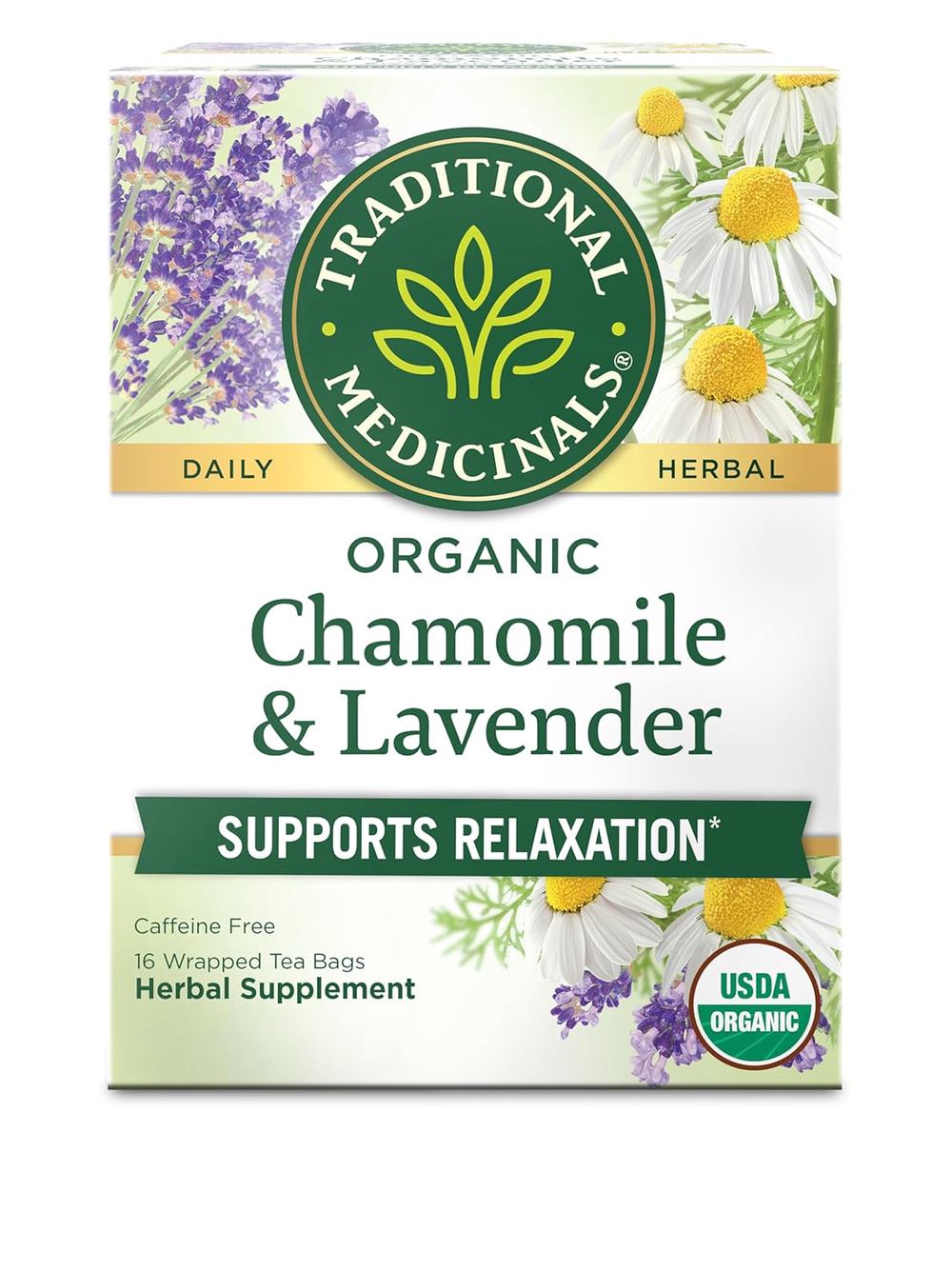
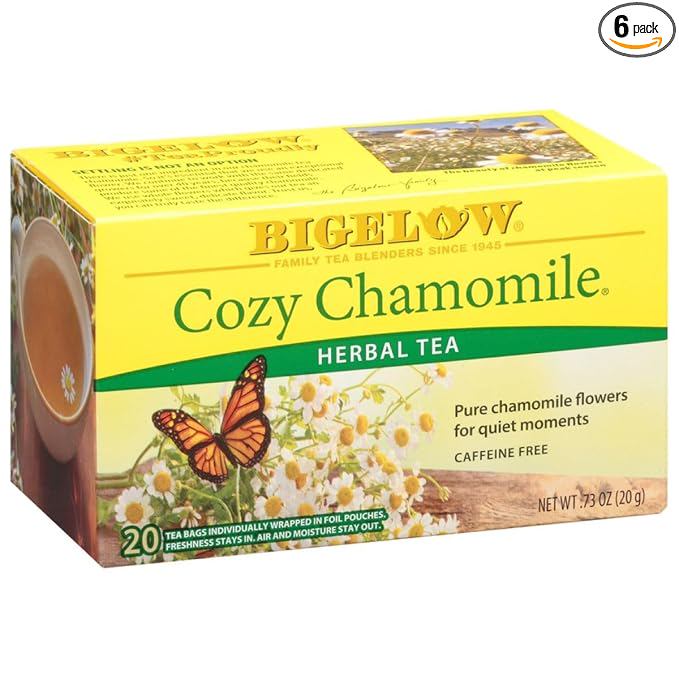
Chamomile tea is one of the most well-researched herbal remedies for promoting relaxation and sleep. It contains apigenin, an antioxidant that binds to certain receptors in the brain and has a mild sedative effect. While chamomile will not cure RLS, it may help take the edge off the sensory discomfort and make it easier to fall asleep despite the symptoms.
Chamomile is also naturally caffeine-free, making it a safe choice for the evening. Sip a warm cup about 30 minutes before bed. The ritual of making tea can itself be a calming signal to your body that it is time to wind down. For an extra benefit, consider combining chamomile with magnesium-rich foods during the day, since magnesium deficiency has been linked to muscle cramps and RLS in some people.
What about magnesium drinks?
Speaking of magnesium, some people turn to magnesium supplements or magnesium-infused drinks for RLS relief. The evidence is mixed but worth noting. Magnesium plays a role in muscle relaxation and nerve transmission, and a 2019 review in the journal Sleep Medicine noted that magnesium supplementation could improve subjective measures of RLS in people with deficiency. However, high-quality clinical trials are limited.
If you want to try it, a small glass of magnesium powder mixed with water about an hour before bed is a common approach. Just be cautious with dosing—too much magnesium can cause digestive upset. And as always, check with a healthcare provider before starting any new supplement routine.
Practical tips for managing evening drinks and RLS
You do not need to overhaul your entire diet to find relief. Small, targeted changes to what you drink in the evening can make a meaningful difference. Here are a few practical strategies:
- Timing is everything. Stop consuming alcohol and caffeine at least three to four hours before you plan to sleep.
- Stay hydrated. Dehydration can worsen muscle cramps and nerve irritation. Plain water is your best bet, especially in the evening.
- Keep a drink diary. For one week, write down what you drink in the afternoon and evening, then rate your RLS symptoms the next morning. Patterns often emerge clearly.
- Test the helpful drinks. Try a week of tart cherry juice or chamomile tea before bed, and see if your symptoms shift.
Everyone with RLS has a different set of triggers and remedies. What makes your friend’s legs flare up might have zero effect on you—and vice versa. The key is to become a careful observer of your own body’s signals. If you find that skipping that evening glass of wine and replacing it with a cup of chamomile tea helps you sleep through the night without those restless, crawling sensations, that is a small change with a big payoff.
If symptoms persist or worsen despite these adjustments, talk to your doctor. RLS can sometimes be linked to underlying conditions such as iron deficiency, kidney disease, or peripheral neuropathy, and those need targeted treatment. But for many people, rethinking that evening drink is the first—and simplest—step toward a calmer night.