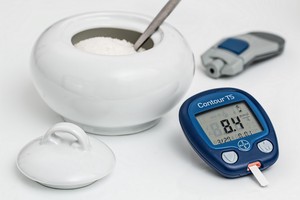

When you live with diabetes, every meal is a decision. You already know to watch the sugar. You check labels, count carbs, and try to stay active. But one eating habit is so common, so woven into daily life, that many people overlook it entirely—and it may be quietly raising your risk for serious complications.
The habit isn’t what you eat. It’s when and how often you eat. More specifically, it’s the pattern of eating infrequently and then having very large, high-carb meals. This is sometimes called "meal skipping followed by overeating," and it poses a distinct danger for anyone managing diabetes. Let’s break down exactly why this matters and what you can do about it.
What happens inside your body
Skipping a meal might feel like you’re saving calories or carbs. But if you have diabetes, your body reacts differently. When you go for several hours without food, your blood sugar naturally dips. In response, your liver releases stored glucose to keep you going. That alone can cause modest fluctuations. But the bigger issue comes at your next meal.
When you finally eat a large amount of carbohydrates all at once—especially refined ones like white rice, pasta, bread, or sugary snacks—your bloodstream gets a rapid surge of glucose. For someone without diabetes, the pancreas releases insulin quickly to handle the load. For someone with diabetes, that system is compromised. The result is a sharp, prolonged spike in blood sugar.
Repeated high spikes are linked to blood vessel damage, nerve damage (neuropathy), kidney stress, and increased inflammation—all of which are pathways to complications.
This pattern doesn’t just affect blood sugar in the moment. Large, irregular meals can reduce your body’s sensitivity to insulin over time, making blood sugar control harder even on days when you eat normally. A study published in Diabetes Care found that people with type 2 diabetes who ate fewer than three meals per day had higher HbA1c levels and greater insulin resistance compared to those who ate more consistently.
Why it’s easy to fall into this trap
This habit often starts for practical reasons. You might skip breakfast because you’re rushing out the door. You might delay lunch because of work meetings. You might be on a weight loss plan that encourages intermittent fasting. While intermittent fasting has shown some benefits for metabolic health in certain populations, the evidence is less clear for people taking diabetes medications. Skipping meals while on insulin or sulfonylureas can cause hypoglycemia (dangerously low blood sugar). Later, when you do eat, the risk of rebound high blood sugar can make management a rollercoaster.
There’s also a psychological component. When you’re hungry after a long gap, portion control becomes much harder. You’re more likely to choose calorie-dense, high-carb foods because your body is craving quick energy. This sets up a cycle: hunger → overeating → high blood sugar → guilt → restricted eating → hunger again.
How this habit increases complication risks
Diabetes complications are not a certainty, but they are more likely when blood sugar runs high over time. The large blood sugar fluctuations that come from irregular, heavy meals are particularly damaging. Here’s what the research points to:
- Blood vessel health: Post-meal glucose spikes damage the endothelium (the inner lining of your blood vessels). Over years, this contributes to atherosclerosis, which raises the risk of heart attack and stroke.
- Kidney function: Each spike forces your kidneys to filter more sugar. Chronic high glucose can lead to diabetic nephropathy, a leading cause of kidney failure.
- Nerve damage: Fluctuating blood sugar levels are thought to be more harmful to nerves than steady high glucose. This can worsen neuropathy symptoms like tingling, pain, and numbness in the feet and hands.
- Eye health: The eye’s tiny blood vessels are especially sensitive to blood sugar swings, accelerating diabetic retinopathy, which can lead to vision loss.
Beyond these direct complications, the habit of skipping meals then overeating often correlates with poor overall diet quality—fewer vegetables, less fiber, more processed foods. That combination is a separate risk factor for heart disease, high blood pressure, and weight gain.
What to do instead: steady eating patterns
Shifting away from this habit does not mean you need to snack all day. It means focusing on a sustainable, consistent pattern that supports steady blood sugar levels. Here are the principles that matter most:
- Don’t skip meals: If you take insulin or certain oral medications, eating at regular intervals can prevent both lows and severe highs. Even a small, balanced meal is better than nothing.
- Spread carbohydrates evenly: Instead of eating 80 grams of carbs at dinner, aim for roughly 30–45 grams at each meal. This gives your body a manageable glucose load each time.
- Include protein, fat, and fiber at every meal: These slow down the digestion of carbohydrates and blunt after-meal blood sugar spikes. Think eggs with toast, yogurt with nuts, or chicken with vegetables and quinoa.
- Keep a consistent eating window: If you prefer to fast, do it under medical guidance. Otherwise, try to eat three meals and perhaps one small snack each day, spaced about four to five hours apart.
Small changes add up. If you usually grab coffee for breakfast and then eat a huge lunch at 2 PM, experiment with having a small protein-rich breakfast like Greek yogurt with a few berries. See how your blood sugar responds. Many people find that morning blood sugar levels improve markedly after just a few days of a consistent breakfast.
When to talk to your healthcare team
Before overhauling your eating schedule, speak with your doctor or a registered dietitian who specializes in diabetes. They can help you adjust your medication timing and dosages so that you aren’t at risk for hypoglycemia during the transition. Work together to create a meal plan that fits your life, your preferences, and your diabetes management goals.
The goal isn't perfection. It's simply moving away from the cycle of extreme restriction followed by extreme eating. For people with diabetes, regularity—in timing, in portion size, and in food quality—is one of the most effective shields against complications.



![Freshware Meal Prep Containers [50 Pack] 1 Compartment Food Storage Containers with Lids, Bento Box, BPA Free, Stackable, Microwave/Dishwasher/Freezer Safe (16 oz)](https://www.glowtheorylab.com/uploads/ad202604/65411b035c0a4f69.webp)