
Pregnancy brings a cascade of changes, and for many, acne is an unwelcome visitor. You might be scrubbing away, switching to “gentle” products, yet the breakouts persist—and now your skin feels raw and irritated. There is a strong chance you are making one specific mistake every single time you wash your face, and it is likely making your pregnancy acne worse while stripping your skin barrier.
The mistake: Over-cleansing and stripping your moisture barrier
Pregnancy hormones ramp up oil production, which can lead to clogged pores. The natural response is to cleanse more often, use a stronger foaming wash, or scrub harder to “remove all the oil.” This is the exact misstep that backfires. Over-cleansing—whether by frequency, harsh ingredients, or overly hot water—strips the skin of its protective lipid barrier. When that barrier is compromised, skin becomes reactive. It produces even more oil to compensate, pores get more congested, and inflammation skyrockets. The result is a frustrating cycle of more breakouts and more irritation.
Why pregnancy skin is especially vulnerable
During pregnancy, increased blood flow and hormonal shifts make the skin more reactive. It is not just about oil; the skin's immune response is also heightened. Using a strong cleanser or a physical scrub can trigger micro-tears and inflammation. A compromised barrier then allows bacteria and irritants to penetrate more easily, making each pimple angrier and slower to heal. This explains why a cleanser that worked fine before pregnancy now leaves your face tight, red, and dotted with new blemishes.
Signs you are over-cleansing
If you notice any of these after washing, you are likely overdoing it:
- Tightness or a “squeaky” feeling (this is not clean; it is stripped)
- Redness or a burning sensation immediately after cleansing
- Breakouts that seem worse the day after you scrub or use a clay mask
- Flaky patches along with oily areas
The correction: Gentle, hydrating cleansing that treats acne
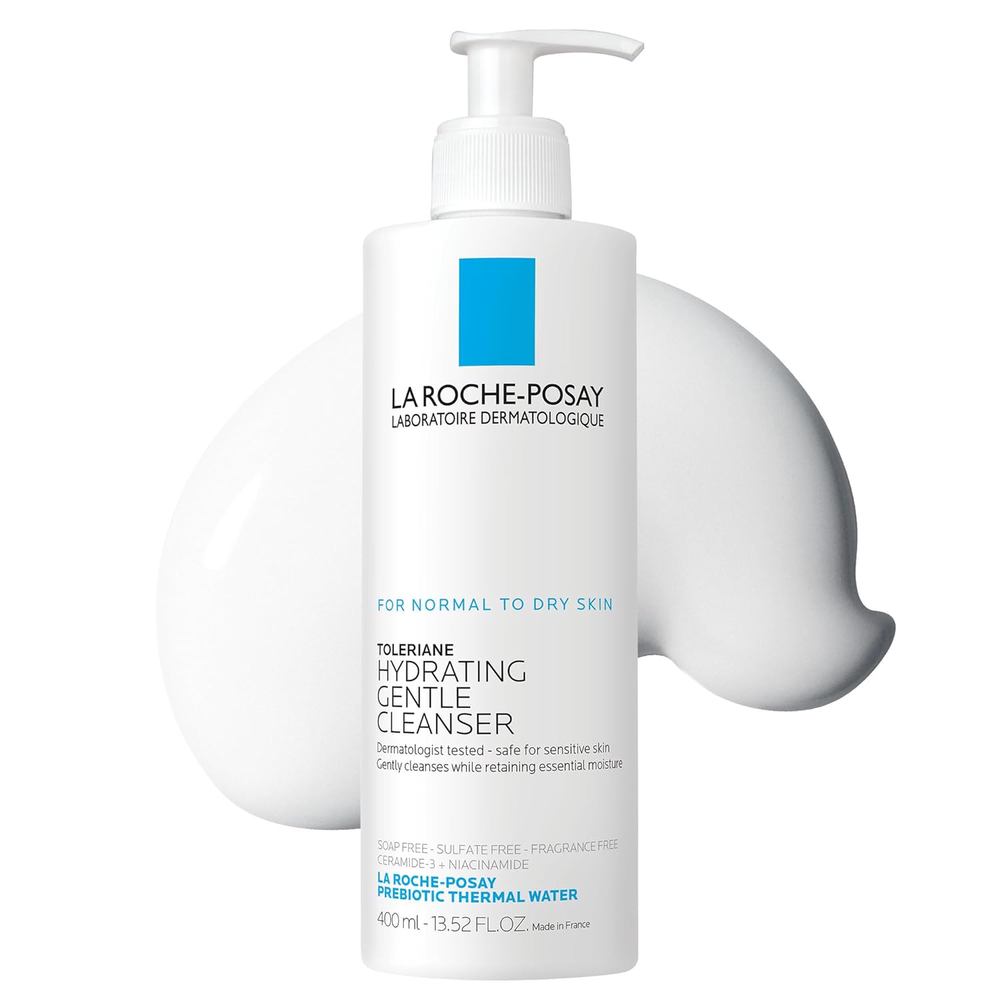
The solution is not to stop washing your face—it is to change how you wash. A gentle, non-foaming or low-foaming cleanser that removes excess oil without stripping the barrier is the foundation. Look for a formula that includes calming ingredients like ceramides, niacinamide, or glycerin. Avoid sulfates (SLS and SLES) and high concentrations of drying alcohols. Even if you have oily skin, a cream or milk cleanser can effectively remove dirt and makeup while respecting your pregnancy-sensitive barrier.
A simple rule: If your face feels tight or dry after cleansing, your cleanser is too harsh for your pregnancy skin.
Temperature and technique matter
Wash with lukewarm water—hot water strips natural oils. Use your fingertips (not a rough cloth) for about 30 seconds. Pat dry gently with a soft towel; do not rub. Over-washing is also a common form of over-cleansing. Twice a day is enough. If you are using a medicated or anti-acne product at night, do not double-cleanse in the morning unless you wore heavy water-resistant sunscreen. A splash of water in the morning, followed by a moisturizer, is often sufficient.
What to do about existing breakouts
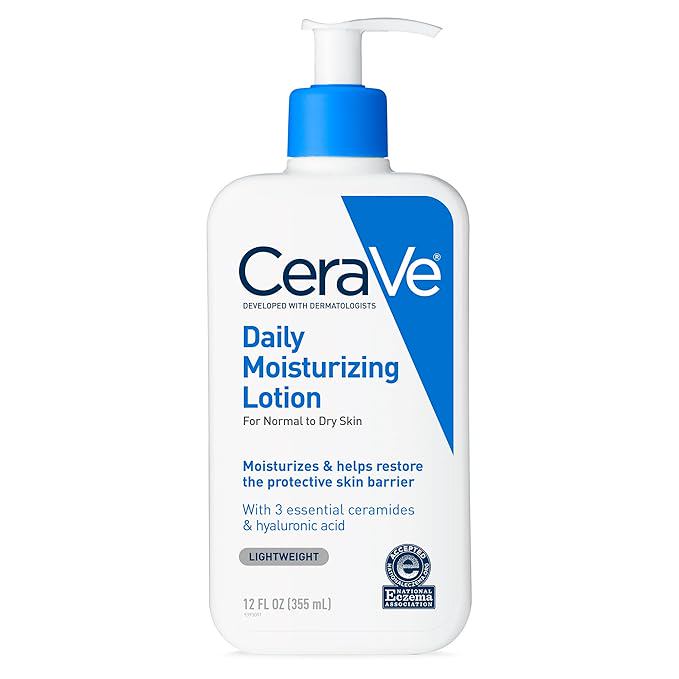
After you have fixed your cleansing routine, treat active spots without further irritation. During pregnancy, avoid retinoids (including retinol) and high-dose salicylic acid. Azelaic acid is generally considered safe and targets both acne and the redness that results from irritation. A plain, fragrance-free moisturizer with ceramides helps repair the barrier overnight. If breakouts persist, consult your obstetrician or a dermatologist who specializes in pregnancy-safe skincare.
Pregnancy-safe acne-friendly ingredients: Azelaic acid, niacinamide, low-concentration glycolic acid, and zinc.
A sustainable routine for the rest of your pregnancy
Think of your pregnancy skin as a sensitive, reactive version of your normal self. The less you disturb it, the happier it will be. A “less is more” approach—a single gentle cleanser used twice daily, a lightweight moisturizer, and a targeted spot treatment for active pimples—will yield better results than a multi-step anti-acne arsenal. Your skin barrier is your first line of defense. When you protect it, you stop feeding the cycle of irritation and breakouts.
Disclaimer: This article is for educational purposes only and does not replace medical advice. Always consult your healthcare provider before introducing new products during pregnancy.