
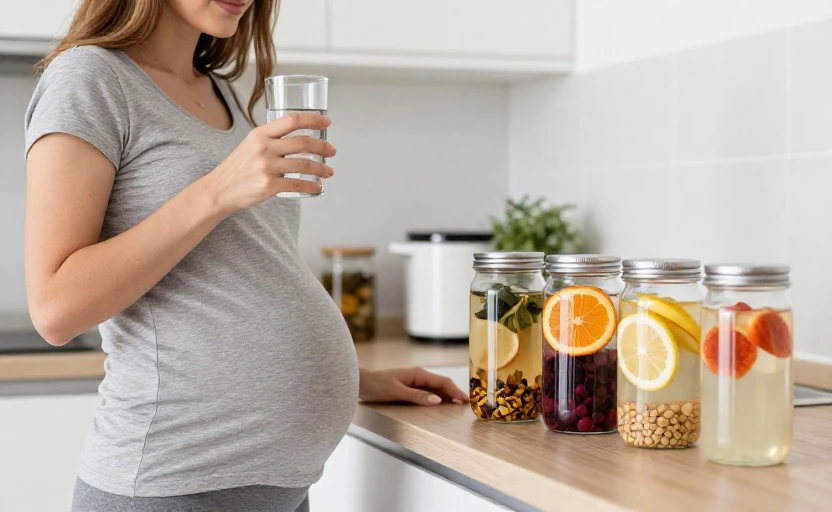
Those early weeks of pregnancy bring a whirlwind of changes, and your hydration needs shift right along with them. Staying well-hydrated is about more than just quenching thirst; it’s a foundational support for your body as it builds the placenta, increases blood volume, and nourishes your growing baby. The right fluids can help manage common first-trimester challenges like fatigue and nausea, while the wrong ones can add unnecessary strain. This guide walks you through the best choices, the ones to limit, and how to listen to what your body is telling you it needs.
Think of hydration as a daily practice of care, not a chore. Your goal is to support your body’s incredible work with gentle, effective fluids.
Why Hydration Feels Different Now
You might notice you’re thirstier than usual, or that you feel off more quickly if you haven’t had enough to drink. There’s a good reason for that. Your blood volume begins to expand significantly during the first trimester to support the new life developing. This process requires ample fluid. Additionally, water is essential for forming the amniotic sac and aiding nutrient transport to your baby.
Dehydration, even mild, can exacerbate first-trimester woes. It can intensify feelings of nausea, lead to headaches and dizziness, and contribute to constipation. Good hydration, on the other hand, helps maintain energy levels, supports kidney function as they work harder to filter waste, and keeps your tissues healthy.
The Everyday Essentials: Your Hydration Foundation
When in doubt, turn to these simple, reliable staples. They should form the core of your daily fluid intake.
Water: The Unbeatable Choice
Plain water is the gold standard. It’s absorbed directly and efficiently, with no additives, sugars, or caffeine to consider. If the taste of plain water turns your stomach (a common issue with morning sickness), try these gentle tweaks:
- Add a few slices of cucumber, a sprig of mint, or a couple of frozen berries for a hint of flavor.
- Keep it at room temperature or slightly cool; sometimes very cold water can be harder on a sensitive stomach.
- Use a marked water bottle to track your sips throughout the day, aiming for small, frequent amounts rather than large glasses all at once.
Carry a water bottle with you. Seeing it is a reminder to take a sip, and having it close by makes it easier to drink little and often, which is especially helpful if nausea is a factor.
Herbal Teas: Warm and Soothing
A warm cup of herbal tea can be comforting and hydrating. The key is choosing pregnancy-safe options. Look for single-ingredient teas or blends specifically marked for pregnancy. Generally safe and popular choices include ginger tea (excellent for nausea), peppermint tea (can aid digestion), and rooibos tea (naturally caffeine-free and rich in antioxidants).
Always check the label. Avoid herbal teas with long lists of unfamiliar medicinal herbs, as some may not be recommended during pregnancy. When in doubt, a quick chat with your healthcare provider can offer clarity.
Drinks to Enjoy Mindfully
Some beverages can fit into your routine but deserve a bit more attention and moderation.
Milk and Fortified Alternatives
Milk, whether dairy or a fortified plant-based alternative like soy or almond milk, provides hydration along with calcium, vitamin D, and protein. These are crucial nutrients for your baby’s bone development and your own health. Opt for pasteurized versions. If you choose sweetened varieties, be aware of the added sugar content.
100% Fruit Juice (in Small Amounts)
A small glass of 100% fruit juice, like orange or prune juice, can provide vitamin C and a bit of hydration. However, it’s high in natural sugars and lacks the fiber of whole fruit. Limit juice to a small (4-6 ounce) serving per day, and consider diluting it with water or sparkling water. It’s a supplement to your hydration, not the main source.
Electrolyte Drinks for Recovery
If you’re struggling with significant nausea and vomiting (hyperemesis gravidarum) or have been ill, a simple electrolyte solution can be helpful to replenish lost minerals. You can find oral rehydration salts or choose a low-sugar, natural electrolyte drink. These are for specific situations, not daily consumption.
What to Limit or Skip Entirely
Being selective allows you to reserve your fluid intake for choices that truly nourish you and your baby.
Caffeinated Drinks: Coffee, Tea, and Soda
Current guidelines suggest that up to 200mg of caffeine per day is generally considered safe during pregnancy. That’s roughly equivalent to one 12-ounce cup of coffee. Be mindful that caffeine is also present in black tea, green tea, many sodas, and chocolate. Exceeding this limit has been associated with a higher risk of low birth weight. If you enjoy coffee, consider switching to half-caff or having one small cup in the morning.
Sugary Sodas and Sweetened Drinks
Regular sodas, sweetened iced teas, lemonades, and most energy drinks are packed with added sugars and empty calories. They can spike your blood sugar, contribute to excessive weight gain, and offer no nutritional benefit. The carbonation in sodas might also worsen heartburn or bloating for some. It’s best to avoid these or treat them as a very rare exception.
Alcohol
There is no known safe amount or safe time to drink alcohol during pregnancy. Alcohol passes directly through the placenta to your baby, whose developing liver cannot process it. Avoiding all alcoholic beverages—including beer, wine, and cocktails—is the safest choice for your baby’s healthy development.
Unpasteurized Juices and Milks
Steer clear of any juices, ciders, or milk products (like some soft cheeses or raw milk) that are labeled "unpasteurized" or "raw." Pasteurization is a heating process that kills harmful bacteria like Listeria, E. coli, and Salmonella, which can pose serious risks during pregnancy.
Listening to Your Body’s Signals
Beyond counting ounces, pay attention to what your body tells you. The color of your urine is a simple, reliable indicator. Aim for a pale straw or light yellow color. Dark yellow urine often means you need to drink more.
If you’re struggling with nausea, try sucking on ice chips or taking small sips of water or ginger tea between meals rather than drinking large amounts with food. Sometimes, very cold or tart fluids (like water with lemon) are easier to keep down. The goal is consistent, gentle hydration throughout your day.
Hydrating well in the first trimester sets a positive pattern for the rest of your pregnancy. By focusing on water, safe herbal teas, and nutrient-rich options like milk, while consciously limiting caffeine, sugar, and alcohol, you’re providing a clean, supportive environment for your baby to grow. Keep your water bottle close, listen to your body’s cues, and remember that each sip is a simple, powerful act of care for you both.