The first trimester often brings a dual challenge: you need more fluids than ever to support your growing baby and changing blood volume, yet morning sickness can make even the thought of drinking water feel unappealing. It is a frustrating cycle—dehydration can actually worsen nausea, and nausea makes it hard to stay hydrated.
While there is no magic cure for morning sickness, certain drinks can help you meet your hydration goals while settling your stomach. The key is choosing options that replenish electrolytes, provide gentle calories, and are easy to keep down. Here are three evidence-informed drinks that can make a real difference during those queasy early weeks.
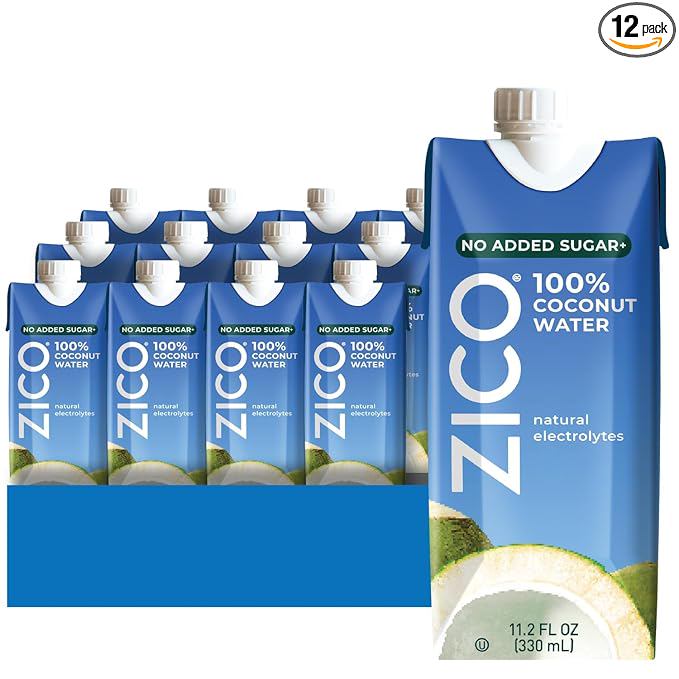
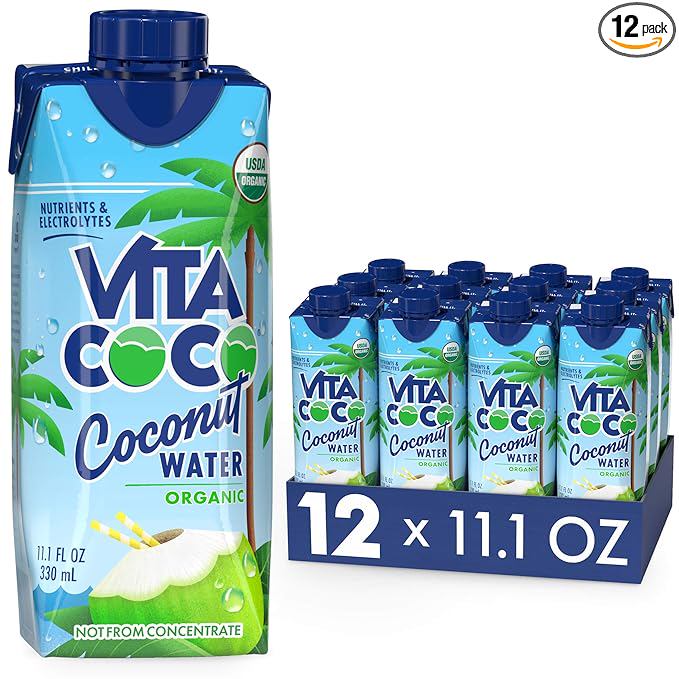
1. Electrolyte-Enhanced Coconut Water
Coconut water has gained popularity as a natural sports drink, but it is also a smart choice for pregnancy-related nausea. It is naturally rich in potassium and contains small amounts of sodium and magnesium—electrolytes that become depleted when vomiting is frequent.
The mild, slightly sweet flavor is often better tolerated than plain water when your taste buds are rebelling. Many women find that sipping small amounts of chilled coconut water throughout the day helps maintain hydration without triggering that full-blown aversion. Look for varieties without added sugar or artificial flavors, and consider sparkling coconut water if the carbonation helps settle your stomach.
Pro tip: If plain coconut water still feels too heavy, try diluting it with ice or mixing it half-and-half with still water. This lowers the sweetness while keeping the electrolyte benefits.
2. Ginger Tea (Homemade or Pure Tea Bags)
Ginger is one of the most well-studied natural remedies for nausea in pregnancy. Clinical research supports its effectiveness for reducing the frequency and intensity of morning sickness symptoms, and the American College of Obstetricians and Gynecologists lists ginger as a reasonable non-pharmaceutical option.
The beauty of ginger tea lies in its versatility. You can steep freshly sliced ginger root in hot water for a potent, warming brew, or use high-quality ginger tea bags. The key is to keep it simple—avoid commercial ginger teas that include black tea (which adds caffeine) or heavy sweeteners. A thin slice of lemon adds flavor and a touch of vitamin C without overwhelming the palate.
Sip ginger tea slowly, about 15–20 minutes before meals, to help prime your stomach for food. Even a few tablespoons can make a difference if full cups feel daunting.
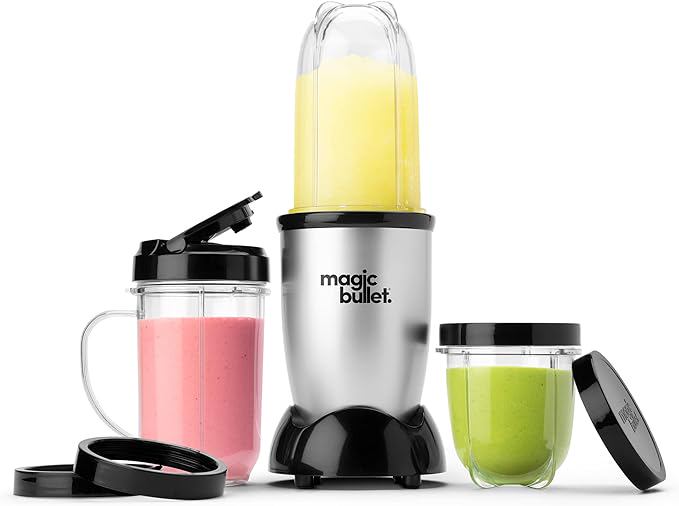
3. Low-Acidity Smoothies (Hydrating Base + Protein)
Smoothies can be a lifeline when solid food feels impossible. They deliver fluid, calories, and nutrients in a form that is easier to digest than a full meal. The trick is to build them strategically: use a hydrating, low-acid base and avoid ingredients that trigger reflux or nausea.
Start with a base of coconut water, oat milk, or low-fat dairy (if tolerated). Add a small banana for potassium and natural sweetness, a handful of spinach for folate (a critical early-pregnancy nutrient), and a scoop of unflavored protein powder or plain Greek yogurt for protein. Avoid citrus fruits and high-acid berries, which can aggravate nausea for many women. The result is a nutrient-dense drink that feels gentle on the stomach.
Freeze the banana and spinach in advance so you can blend on demand without diluting the flavor with ice. This makes it easier to have a smoothie ready when you feel a rare window of appetite.
What to Avoid When You Are Nauseated
Knowing what not to drink is just as important as knowing what helps. Caffeinated beverages can be dehydrating and may worsen nausea for some women. Highly acidic fruit juices like orange or grapefruit juice can irritate an already sensitive stomach. Sugary sodas and sports drinks spike blood sugar rapidly, which can trigger a crash that compounds fatigue and nausea.
If plain water is unbearable, try adding a splash of lemon, a few mint leaves, or a pinch of salt. Small, frequent sips are almost always better than large volumes at once. Keeping a water bottle by your bedside and taking a few sips before you even get up can also help stabilize your stomach first thing in the morning.
Listening to Your Body
Every pregnancy is different, and what works for one person may not work for another. The drinks listed here are general recommendations backed by nutrition science and clinical experience, but your personal tolerance should guide you. If a particular drink makes you feel worse, set it aside and try another approach. The goal is consistent, gentle hydration—not forcing something that does not agree with you.
If vomiting is severe enough that you cannot keep any fluids down for more than 12 hours, or if you notice signs of dehydration such as dark urine, dizziness, or a dry mouth, contact your healthcare provider. Hyperemesis gravidarum is a more serious condition that requires medical management. For most women, though, these three drink options can provide a solid foundation for staying hydrated and managing nausea during the challenging first trimester.