
Starting an exercise routine during early pregnancy can feel both exciting and uncertain. Your body is already working hard, and figuring out what’s safe for you and your baby is a common concern. The good news is that the right movement—done with care—can ease common discomforts like fatigue and nausea, boost your mood, and prepare your body for the months ahead.
This article focuses on gentle, beginner-friendly activities that are widely considered safe during the first trimester. Always check with your healthcare provider before beginning any new exercise program, especially if you have a high-risk pregnancy or other medical concerns. Listen to your body: if something feels off, stop.
Why exercise matters in the first trimester
Physical activity in early pregnancy helps maintain muscle tone and cardiovascular fitness without overloading your joints. It can also reduce back pain, improve sleep, and lower the risk of excessive weight gain and gestational diabetes. For beginners, the goal isn’t intensity—it’s consistency and safety.
A key rule for the first trimester: keep your heart rate at a level where you can still hold a conversation. If you’re breathing too hard to talk, dial it back.
Walking: the simplest first step
Walking is a low-impact, accessible exercise that requires no special equipment. It strengthens your heart and lungs without stressing your pelvic floor or lower back—areas that are already adapting to pregnancy hormones.
- Start with 15–20 minutes at a comfortable pace, then gradually increase to 30 minutes on most days.
- Choose flat, even surfaces to reduce the risk of tripping.
- Stay hydrated and wear supportive, non-slip shoes.
Prenatal yoga and stretching
Yoga designed for pregnancy emphasizes breath work, gentle stretching, and balanced postures. It can help alleviate lower back tension and improve flexibility—but skip deep twists, inverted poses, or anything that involves lying flat on your back after the first trimester.
Beginner-friendly moves to try:
- Cat-cow stretches on hands and knees gently mobilize the spine.
- Standing side bends (without leaning backward) relieve rib and hip tightness.
- Pelvic tilts strengthen the core and lower back.
Avoid hot yoga (Bikram) or any environment where your body temperature rises significantly—elevated core temperature during early pregnancy can be risky.
Strength training with light resistance
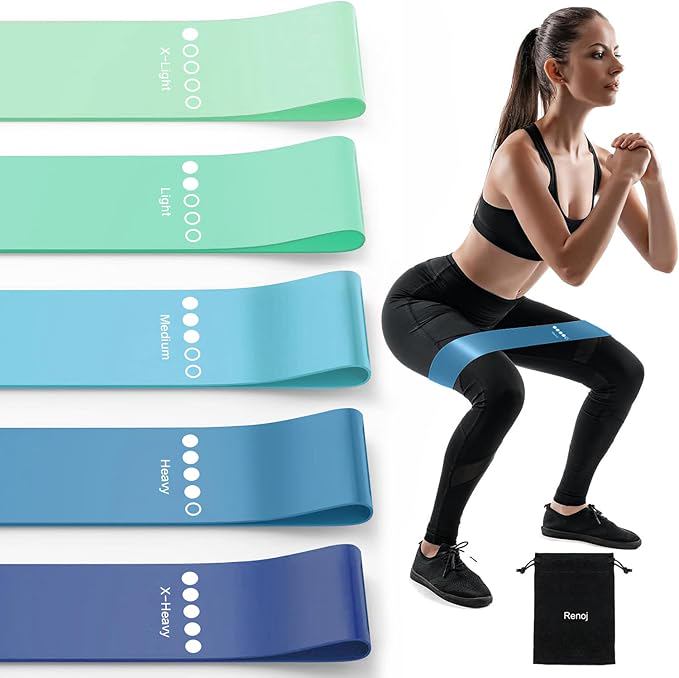
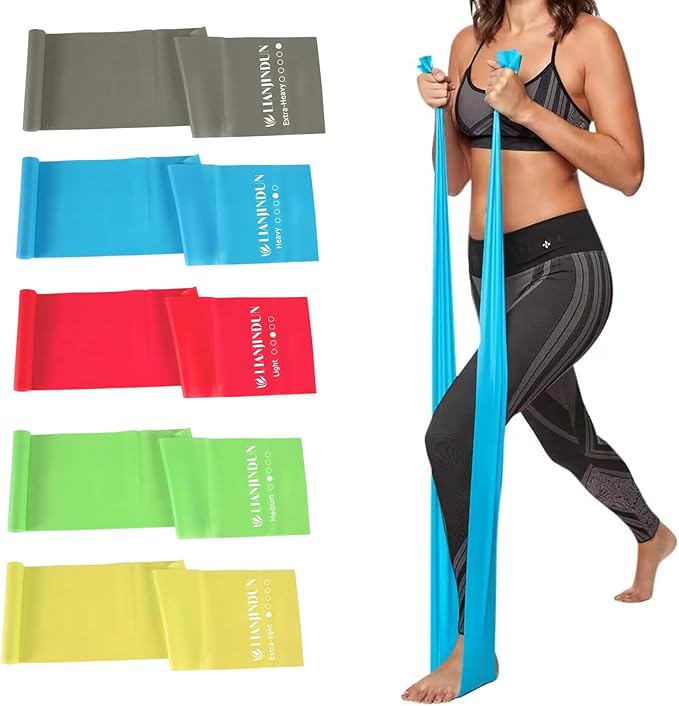
Building muscle doesn’t require heavy dumbbells. Bodyweight squats, wall push-ups, and resistance-band rows are safe ways to maintain strength for carrying extra weight later and improving posture.
- Focus on controlled, slow movements—not speed or heavy weights.
- Exhale on exertion (when lifting or pushing) and inhale as you release.
- Stop if you feel any pulling or pressure in your lower abdomen or groin region.
As a general rule, avoid exercises that involve lying completely flat on your back for extended periods after about 12 weeks. Many first-trimester beginners can still do supine exercises briefly, but it’s wise to transition to incline or sitting positions early to build the habit.
Swimming and water aerobics
Buoyancy takes the weight off your joints, making water workouts especially soothing for new aches. Swimming laps at a steady—not competitive—pace strengthens the upper body and core without overheating.
- Choose a pool with a comfortable temperature (moderately warm, not hot).
- If you’re new to swimming, start with 10–15 minutes of gentle laps or treading water.
- Water walking or leg lifts in the shallow end are also excellent options.
Stationary cycling
Riding a stationary bike eliminates balance concerns and sudden impacts. It provides a solid cardiovascular workout while letting you control resistance and duration. Keep the seat at a height where your knee bends only slightly at the bottom of the pedal stroke—this protects your pubic bone area.
- Begin with 10–15 minutes at easy resistance.
- Stay seated (avoid standing up to pedal) to maintain stability.
Signs to stop and rest
Your body sends clear signals when something isn’t right. Stop exercising immediately and contact your provider if you experience:
- Vaginal bleeding or unusual fluid leakage
- Dizziness, fainting, or shortness of breath before exertion
- Pain or cramping in the lower abdomen or pelvis
- Headache, chest pain, or muscle weakness
Rest days are not a sign of weakness—they’re essential. Beginners especially need time to adapt. Alternating 30-minute activity days with lighter movement (like a gentle walk or stretch) works well for most.
Staying safe in the first trimester
- Drink water before, during, and after exercise. Dehydration can trigger contractions or overheating.
- Wear a supportive bra and comfortable clothing that doesn’t restrict your belly or chest.
- Always warm up for 5 minutes with slower motion, and cool down afterward with static stretching.
- Avoid jumping, jarring movements, contact sports, and exercises that require lying flat on your back for more than a few minutes after week 12.
The best exercise for beginners in the first trimester is one that feels sustainable—not one that pushes you to exhaustion. Consistency beats intensity every time.
Stay curious about how your body changes week to week. What felt good today might change tomorrow, and that’s normal. With your provider’s guidance, gentle movement can become a comforting part of your pregnancy journey—not another thing on your to-do list.