
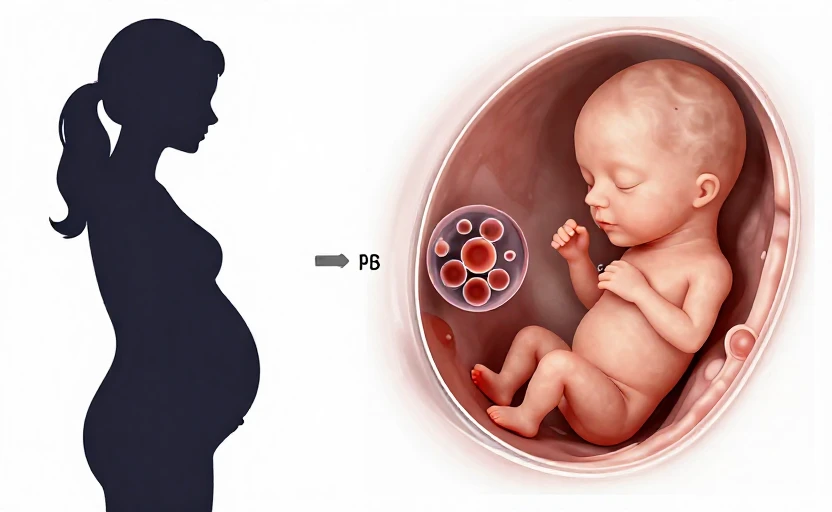
The first trimester is a time of profound, yet often invisible, transformation. While the outside world may not yet notice, your body is orchestrating one of life’s most intricate processes. This period, spanning weeks 1 through 13, lays the entire foundation for your baby’s development. Understanding the week-by-week journey can transform uncertainty into a sense of awe, helping you navigate the physical and emotional shifts with more confidence and calm.
From that first missed period to the nearing end of the third month, each week brings new milestones. This overview walks you through the key changes for both you and your developing baby, offering a map for the remarkable path ahead.
Weeks 1-4: The Quiet Beginning
It may feel counterintuitive, but pregnancy dating begins on the first day of your last menstrual period, about two weeks before conception even occurs. So, during these initial “pregnant” weeks, you’re not technically pregnant yet. Week 1 is your period, and around week 2, ovulation happens.
Conception typically occurs in week 3 when a sperm fertilizes the egg, forming a single cell called a zygote. This cell rapidly divides as it travels down the fallopian tube. By the end of week 4, this cluster of cells—now called a blastocyst—implants itself into the nutrient-rich lining of your uterus. This implantation can sometimes cause light spotting, known as implantation bleeding.
This is when the pregnancy hormone hCG (human chorionic gonadotropin) starts production, which is what a home pregnancy test detects.
You might not feel dramatically different yet, though some notice very early signs like tender breasts, mild fatigue, or a heightened sense of smell as hormone levels begin their significant climb.
Weeks 5-8: Major Developments Take Shape
This is a period of extraordinary formation. What was a ball of cells begins organizing into distinct layers that will become every organ and system in the body.
Your baby’s development: The neural tube, which becomes the brain and spinal cord, forms and closes. The heart begins to beat—often visible on an early ultrasound as a tiny flicker. Tiny buds that will become arms and legs appear. By week 8, the embryo starts to look less like a tadpole and more human, with webbed fingers and toes, developing ears and eyes, and even the beginnings of nostrils.
Changes you may notice: Early pregnancy symptoms often become more pronounced. Nausea (morning sickness, though it can strike any time) may begin. Fatigue can feel overwhelming as your body works overtime. You might experience frequent urination, food aversions or cravings, and mood swings driven by hormonal surges. Bloating is common, which is why many people notice their clothes feeling snug before there’s an actual baby bump.
Weeks 9-12: From Embryo to Fetus
A significant milestone is reached at the end of week 10: the embryo is now medically termed a fetus, meaning all major structures are present. The remainder of pregnancy is largely about growth and refinement.
Your baby’s development: The fetus is incredibly active, making spontaneous movements, though you won’t feel them for several more weeks. Fingers and toes lose their webbing. Bones begin to harden. External genitalia start to develop, though it’s usually too early to determine sex on an ultrasound. The vital organs—kidneys, intestines, brain, and liver—are starting to function. By week 12, the fetus may be about the size of a lime.
Changes you may notice: For many, the peak of nausea and fatigue starts to ease around weeks 10-12. However, new sensations can arise. You might notice more pronounced breast growth and darkening of the areolas. Constipation can become an issue due to hormonal slowing of digestion. Your uterus is expanding and beginning to rise out of the pelvic cavity, which for some means a slight decrease in urinary frequency, and for others, the very first hint of a lower abdominal roundness.
Navigating Common First Trimester Experiences
Beyond the week-by-week milestones, several experiences are common threads throughout these first three months. Knowing what’s typical can provide reassurance.
Fatigue
The exhaustion of the first trimester is often all-consuming. It’s driven by soaring progesterone levels and the massive energy expenditure of building a placenta. Listen to your body. Rest when you can, even if it means napping or going to bed much earlier. This level of fatigue usually improves in the second trimester.
Nausea and Food Sensitivities
Up to 80% of pregnant people experience nausea. It’s often linked to hCG and estrogen levels. Small, frequent meals of bland, easy-to-digest carbohydrates (like crackers, toast, rice) can help keep your stomach from being empty, which can worsen nausea. Ginger tea or candies, acupressure wristbands, and eating a small snack before getting out of bed in the morning are simple strategies many find helpful.
Stay hydrated by sipping fluids throughout the day. Sometimes cold, clear liquids like water or electrolyte drinks are easier to tolerate.
Emotional Shifts
Feeling joyful one minute and tearful or irritable the next is completely normal. Hormones are a primary driver, but so is the monumental life change you’re processing. Give yourself grace. Talking to your partner, a friend, or a healthcare provider about your feelings can be very supportive.
Caring for Yourself in the First Trimester
Your well-being is the foundation of your baby’s healthy development. Focus on a few key pillars.
- Prenatal Care: Schedule your first appointment. Early care allows for important baseline tests, accurate dating, and establishing a relationship with your provider.
- Nutrition: Focus on what you can eat. A daily prenatal vitamin with at least 400 mcg of folic acid is crucial for preventing neural tube defects. If you’re struggling with nausea, prioritize calories and hydration over a perfect diet—the goal is to get through it.
- Gentle Movement: If you feel up to it, activities like walking, swimming, or prenatal yoga can boost energy, improve mood, and aid sleep. Always check with your provider about what’s safe for you.
- Listen and Adapt: This is a season of adjustment. It’s okay to scale back on social commitments, ask for help with chores, and prioritize rest. Your body is doing essential work.
As you approach the end of week 13, you’re on the cusp of the second trimester—often a time of renewed energy and the exciting possibility of feeling those first flutters of movement. The first trimester’s intense work of building the blueprint is complete. You’ve navigated a period of immense change, and that in itself is a remarkable feat.