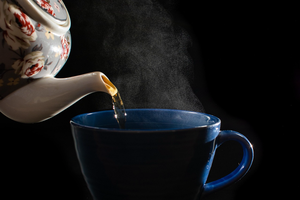

Your morning ritual probably feels harmless—maybe even essential. But if that first cup of coffee, sweetened latte, or glass of orange juice has become a non-negotiable habit, it’s worth asking what it’s doing to your blood vessels before you’ve even left the kitchen.
Circulation is a delicate balance. Your arteries and veins depend on steady, relaxed blood flow to deliver oxygen and nutrients to every tissue. Certain beverages, particularly those we reach for first thing in the morning, can disrupt that flow. Here’s why and what you can drink instead.
How caffeine affects your blood vessels
Caffeine is a central nervous system stimulant that, for many people, temporarily raises blood pressure by constricting blood vessels. This vasoconstriction can reduce blood flow, especially in people who are not regular caffeine consumers or who have underlying vascular sensitivity. While a single cup of coffee may not cause lasting harm, relying on caffeine to start the day can create a cycle of vascular strain.
If you’re someone who already deals with cold hands and feet, tingling sensations, or a history of high blood pressure, that morning espresso may be making things worse. The problem isn’t just caffeine itself—it’s the empty-stomach consumption that magnifies its absorption and effect.
Sweetened drinks: sugar spikes and vessel stress
Many popular morning beverages—energy drinks, flavored coffees, bottled teas, and fruit juices—pack a surprising amount of added sugar. A single 12-ounce orange juice contains about 33 grams of sugar, while a medium vanilla latte from a chain can deliver 30–40 grams.
High sugar intake triggers an acute inflammatory response and reduces the flexibility of blood vessels, a condition known as endothelial dysfunction. Over time, this contributes to arterial stiffness and poor circulation. For those focused on long-term cardiovascular health, managing morning sugar intake is one of the simplest improvements you can make.
A quick check: if your morning beverage leaves you crashing by mid-morning or craving more sweets, your circulation is likely feeling the effect.
Acidic drinks and dehydration
Beverages high in acid—like black coffee, citrus juices, and some teas—can also be mildly dehydrating. Dehydration thickens the blood, making it harder for your heart to pump efficiently. Even mild dehydration reduces blood volume and slows circulation, especially in small vessels near the skin and extremities.
Starting your day with a diuretic like coffee or a sugary acidic juice can leave you in a subtle fluid deficit before you’ve had any plain water. That sets the stage for sluggish circulation throughout the morning.
What to drink instead for better circulation
The goal is to choose beverages that support, rather than stress, your blood vessels. Here are three excellent alternatives:
- Warm lemon water. A glass of warm water with fresh lemon provides hydration without caffeine or sugar. The citric acid is mild and the vitamin C supports collagen production, which helps maintain vessel wall integrity.
- Herbal teas (non-caffeinated). Ginger, hibiscus, and cinnamon teas are naturally caffeine-free and contain compounds that may help relax blood vessels and reduce inflammation. Hibiscus, in particular, has been studied for its mild blood pressure-lowering effects.
- Plain water with a pinch of sea salt. If you exercise early or live in a warm climate, adding a tiny amount of mineral-rich salt to water can improve electrolyte balance and support healthy blood volume, aiding circulation.
If you cannot give up your morning coffee entirely, try drinking it after a full glass of water and a small meal. This reduces the rate of caffeine absorption and lessens its vascular impact.
Small shifts that add up
What you drink first thing in the morning sets a physiological tone for the rest of the day. By choosing beverages that promote hydration, lower inflammation, and avoid unnecessary sugar and excessive caffeine, you give your circulatory system a lighter load before the day’s demands begin.
You don’t need to overhaul your entire routine overnight. Start by swapping one high-impact drink for a circulation-friendly alternative for one week. Pay attention to how your hands, feet, and energy levels respond. Better circulation often begins with a single glass.