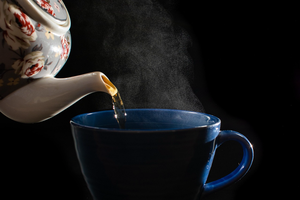

You know your morning coffee makes you feel human again, but have you ever considered that when you drink it might be just as important as what you drink? According to registered dietitians, the timing of your first beverage can have a surprising influence on your circulation for the rest of the day. Before you reach for a steaming mug on autopilot, here is the expert-backed sequence that supports healthy blood flow from the moment you wake up.
Why your first sip matters
When you sleep, your body goes several hours without fluid. You wake up mildly dehydrated, which means your blood is slightly thicker and your heart has to work a little harder to pump it through your vessels. Dietitians explain that drinking water first thing helps rehydrate the blood plasma, allowing red blood cells and nutrients to travel more freely. This alone can help lower your resting heart rate and take the edge off morning stiffness.
But the morning beverage conversation doesn't stop with water. The real trick lies in how you layer other common drinks—especially caffeinated ones—to maintain that vascular benefit throughout the morning.
The dietitian-recommended order
The consensus among several dietitians interviewed for this topic is simple: water first, then wait at least 20 to 30 minutes before your coffee or tea. Here is why the order matters for circulation:
- Water rehydrates without a shock to the system. Starting with 8 to 12 ounces of plain water allows your body to absorb fluid gradually, normalizing blood volume before caffeine kicks in.
- Caffeine can constrict blood vessels temporarily. Drinking coffee on an empty stomach while you are already dehydrated can amplify this effect, potentially raising blood pressure and reducing blood flow to extremities like fingers and toes.
- Waiting also improves caffeine's effectiveness. When you hydrate first, your body handles caffeine better, meaning you might actually feel less jittery while still getting the metabolism and focus boost you want.
A simple morning mantra from one registered dietitian: “Hydrate before you stimulate.”
Does the type of beverage change the advice?
Yes, and this is where personalization comes in. While the water-first rule is universal, certain beverages need a bit more consideration if circulation is your priority.
If you drink coffee
Black coffee is a diuretic, meaning it can make you pee more, which could worsen dehydration if you haven't had water first. Some dietitians suggest pairing your coffee with a small meal or a glass of water on the side to buffer its vascular impact. Also consider that very dark roasts may cause less stomach acid than lighter roasts, which might matter if you feel jittery soon after drinking.
If you prefer tea
Green and black teas offer a lower dose of caffeine than coffee, but they also contain the amino acid L-theanine, which has a calming effect on blood vessels and can promote steady blood flow. Dietitians note that tea is generally gentler on circulation than coffee, but you should still hydrate first. Herbal teas that are naturally caffeine-free, like ginger or hibiscus, can even support circulation directly—ginger is warming and may improve blood flow, while hibiscus has compounds that support healthy blood pressure.
If you drink juice or smoothies
Fruit juice can be a quick source of sugar, and a spike in blood sugar can briefly thicken the blood and make circulation less efficient. If you choose juice, dietitians recommend diluting it with water or sticking to small portions (around 4 ounces) after your initial glass of water. Smoothies that include fiber-rich ingredients like spinach, berries, and flaxseeds are gentler on blood sugar and contain nitrates that may support nitric oxide production for better vessel flexibility.
What about temperature?
Some readers wonder if cold water shocks the system or if hot water is better for circulation. The evidence is mixed, but dietitians generally agree that lukewarm to room-temperature water is the most comfortable way to start hydration. Extremely cold water can briefly constrict blood vessels in the stomach and esophagus, whereas hot water can be relaxing. Neither is dangerous, but if you notice that very cold drinks make you feel tense, go with tepid water instead. The key is that you actually drink it, so choose a temperature that feels inviting.
Practical tips for implementing the timing
Changing your morning routine can feel clunky at first, but dietitians suggest a few simple strategies to make the water-first habit stick:
- Keep a glass or bottle by your bed. Drinking water even before you stand up can be a game-changer. You can sip it while scrolling your phone or getting out of bed slowly.
- Let your coffee cool slightly. If you are used to drinking coffee immediately, wait until you have finished your water and gone through a short morning routine—like washing your face or getting dressed—before brewing.
- Set a timer. Use a 15- or 20-minute timer on your phone to remind yourself that water came first. Soon it will become automatic.
One more thing: watch the sugar and cream
A dietitian's final note is that heavy creamers, syrups, or sweeteners in your morning beverage can affect circulation indirectly by causing a blood sugar roller coaster. If you take your coffee with a lot of additives, you may be better off drinking it after a meal rather than drinking it black. The body processes fats and sugars more efficiently when it is not in a fasted state, which helps maintain steady blood flow.
In the end, the goal is not to complicate your morning but to prioritize the simple act of rehydration. By giving your body a glass of water before your caffeine or juice, you are setting the stage for better circulation, steadier energy, and fewer midday crashes. As one dietitian put it, "Your vessels might not thank you out loud, but they will feel the difference."