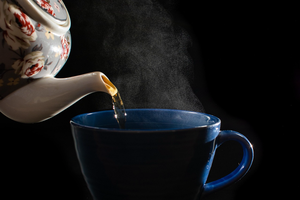

Most of us don't think twice about that first cup of coffee, tea, or smoothie in the morning. It's a ritual, a comfort, a way to wake up. But behind that familiar warmth, your morning drink might be sending a silent ripple through your circulatory system that you haven't noticed. Blood flow isn't something we usually feel unless something is off, and the signs can be surprisingly subtle. By the time you sit down for your morning beverage, small changes in how you feel could be telling you that what's in your cup is doing more than just perking you up.
It's easy to overlook these signals because they come on slowly. You might brush off a headache, a bit of dizziness, or an unusual chill as just a bad night's sleep. But when these feelings show up consistently right after you drink something, your blood vessels might be trying to send you a message. Here are three warning signs that your morning drink could be interfering with healthy circulation.
1. You Feel Dizzy or Lightheaded Within 20–30 Minutes
That initial rush of caffeine can feel like a necessary jolt, but for some people, it does more than just wake them up. Caffeine is a vasoconstrictor—it narrows your blood vessels, including the ones in your brain. If you are sensitive to caffeine, or if you are drinking it on an empty stomach, the sudden tightening of blood vessels can temporarily reduce blood flow, leading to that woozy, lightheaded feeling. This happens because caffeine blocks adenosine, a chemical that normally helps your blood vessels relax and widen. Without that natural relaxing effect, your circulation can get a little squeezed.
For others, the sugar content in a morning latte, bottled iced tea, or even some fruit juices can cause a rapid spike in blood sugar, followed by a sharp drop. This fluctuation can also make you feel dizzy. If your morning drink is high in added sugar, your body has to work overtime to regulate everything, pulling blood flow away from where you need it. If you regularly feel unsteady after your first cup, consider whether your drink is the common factor.
2. Your Hands or Feet Feel Colder Than Usual
Poor circulation often shows up first in your extremities. Your fingers and toes are far from your heart, and if your blood vessels have narrowed significantly, blood has a harder time reaching those distant areas. A warm drink should theoretically warm you up, but if your morning beverage contains caffeine or is very high in sugar, the opposite can happen.
Caffeine's vasoconstrictive effect can make your hands and feet feel chilly, especially if you are already prone to cold extremities. Sugar-laden drinks can also thicken the blood slightly, making it more viscous and harder to push through small capillaries. If you find that your fingers are stiff or your toes are cold twenty minutes after you finish your morning coffee or sweetened tea, your circulatory system might be struggling to keep up. It's a quiet sign that often gets blamed on the weather, but it could be linked directly to what you just drank.
3. Persistent Puffiness or Swelling Around Your Eyes or Ankles
This sign is a little trickier because it doesn't feel painful—it just looks different. But puffiness, especially in the morning, can be a sign of fluid retention linked to how well your blood is moving. If your drink contains high amounts of sodium (think some instant coffee mixes, canned energy drinks, or certain pre-made smoothies), your body holds onto extra water to balance out the salt. That water can settle in your face or your lower legs.
Another hidden culprit is high-sugar or high-fructose drinks, which can trigger an inflammatory response in some people. Inflammation slows down circulation and causes small blood vessels to leak fluid into surrounding tissues. The result is that soft, puffy appearance that doesn't seem to go away after you've been upright for an hour. If you notice that your rings feel tighter or your eyelids look puffy shortly after your morning drink, it is worth asking whether your beverage is triggering that response.
Rethinking Your Morning Cup
None of this means you need to give up your morning ritual entirely. The key is to listen to your body and make small adjustments. Here are a few tips to keep your circulation happy while still enjoying your morning drink:
- Try a lower-caffeine option like green tea or half-caff coffee, which can still give you a gentle lift without the strong vasoconstriction.
- Stay hydrated by drinking a glass of water alongside your coffee or tea. Dehydration makes blood thicker and harder for your heart to pump.
- Choose unprocessed drinks—plain black coffee or tea without added sugar, flavored syrups, or creamers that hide sodium and artificial ingredients.
- Eat a small protein-rich snack with your morning beverage to stabilize blood sugar and reduce circulation stress.
A quick self-check: If you feel any of these signs, try swapping your usual morning drink for plain water or an herbal tea for three days and see if the symptoms fade. Your body often gives you the clearest answers if you pay attention.
When to See a Doctor
Occasional dizziness or cold hands are usually harmless and can often be traced back to what you ate or drank. But if these symptoms persist, get worse, or are accompanied by chest discomfort, shortness of breath, or severe headache, it is important to check in with a healthcare provider. Circulation problems can have many causes, and your morning drink is just one piece of a larger picture.
Your morning drink should help you feel ready for the day, not drag you down. Being aware of these warning signs gives you a simple way to stay in tune with your own body—and to make changes that keep your blood flowing the way it should.