Falling asleep should be a natural drift, not a nightly battle. Yet for millions of people, bedtime arrives with a familiar dread: the mind hums, the clock ticks, and rest stays just out of reach. If this sounds familiar, you are far from alone. Occasional tossing and turning is normal, but when sleeplessness becomes a pattern—when your body is exhausted and your brain refuses to cooperate night after night—it may be time to pay attention to what your nervous system is telling you. Let’s walk through the practical signs that separate a bad night from a brewing sleep disorder, and what you can do about it.
What counts as insomnia, really?
Clinical insomnia is not simply trouble falling asleep. It’s a persistent difficulty with sleep that happens despite having adequate opportunity to rest. The formal definition includes trouble initiating sleep, staying asleep, or waking too early and being unable to get back to sleep—combined with daytime impairment like fatigue, poor concentration, or irritability. A few rough nights do not qualify. Most guidelines suggest that symptoms occurring at least three nights per week for three months or longer point toward chronic insomnia. A shorter duration—a few weeks to a month—may be acute or situational insomnia, often triggered by stress, illness, or a major life change.
A practical litmus test: If you routinely spend more than 20 to 30 minutes lying awake trying to fall asleep, or if you wake up and can’t get back to sleep within that window, it’s worth looking closer.
Early warning signs your sleep is off track
Insomnia usually doesn’t appear out of nowhere. There are often clues that the body’s sleep-wake system is starting to struggle. Recognizing them early can prevent a short-term issue from becoming entrenched.
1. You dread bedtime
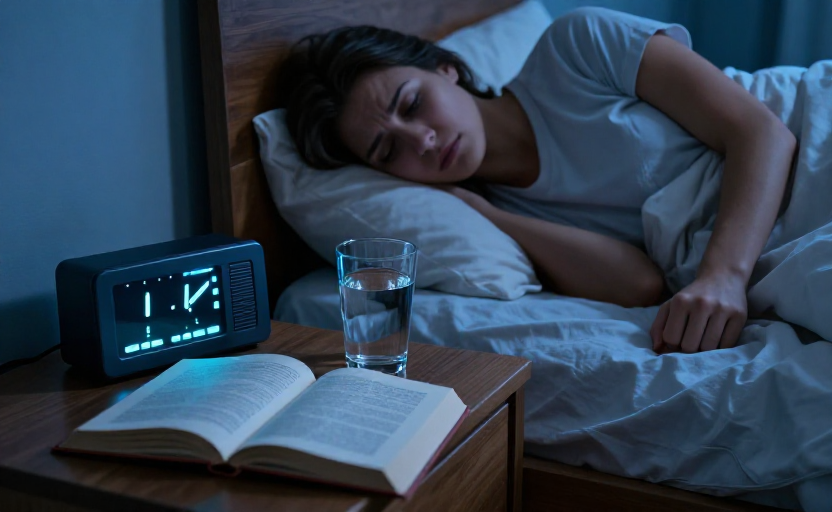
One of the earliest signals is a shift in how you feel about going to bed. Instead of feeling sleepy and relaxed, you may feel alert, restless, or even anxious as bedtime approaches. That knot in your stomach—the anticipation of another sleepless night—is a genuine red flag. Sleep should feel safe and inviting. When it doesn’t, your brain has begun to associate the bed with frustration, which can fuel a cycle of hyperarousal.
2. Your ‘wind-down’ doesn’t work anymore
Maybe you used to read for ten minutes and feel drowsy. Now that same routine leaves your eyes open. You might try deep breathing, a warm bath, or white noise with diminishing returns. If the activities that once signaled sleep no longer shift your brain out of high gear, your nervous system may be stuck in a hyperalert state. This is common during periods of psychological stress, but it can persist even after the original stressor fades.
3. You’re tired but ‘wired’
Another classic sign is feeling physiologically exhausted—heavy eyes, low energy, yawning through the day—yet as soon as your head hits the pillow, your mind races. This daytime fatigue paired with nighttime alertness is a hallmark of conditioned insomnia, where your brain has essentially learned to be awake in bed. It’s not laziness or lack of willpower; it’s a misaligned biological cue.
Underlying drivers: what fuels the sleeplessness
Insomnia rarely has a single cause. It’s more like a perfect storm of biological, behavioral, and environmental factors that prime the brain for wakefulness at the wrong time. Understanding which drivers are active for you can guide what to change.
- Anxiety and rumination: The most common fuel for insomnia is an overactive mind. Worrying about work, relationships, health, or even about sleep itself keeps the stress response revved. Cortisol—your body’s primary stress hormone—remains elevated, blocking melatonin activity and keeping you alert.
- Poor sleep habits: Irregular bedtimes, excessive caffeine or alcohol, screen light exposure before bed, and napping late in the day can all interfere with the body’s circadian rhythm. These don’t cause insomnia on their own for everyone, but they often amplify an existing tendency.
- Medical and biological factors: Conditions like restless legs syndrome, chronic pain, sleep apnea, and thyroid dysfunction can fragment sleep. Additionally, some people are biologically predisposed to light or easily disturbed sleep—a trait that can magnify the effects of stress.
- Medication side effects: Certain prescription drugs—including some antidepressants, stimulants, corticosteroids, and decongestants—can interfere with sleep. If you started a new medication around the same time your sleep deteriorated, discuss this with your prescriber.
When to seek professional help
Mild insomnia often responds to simple adjustments—cutting caffeine after noon, setting a consistent wake time, or using a short wind-down routine. However, there are specific situations where self-help isn’t enough, and a healthcare evaluation is warranted.
- Sleep disturbance persists beyond a month despite consistent attempts to improve sleep hygiene.
- Daytime function is significantly impaired. You struggle to concentrate at work, feel unsafe driving, or experience memory fog that affects daily life.
- You rely on alcohol or over-the-counter sleep aids to fall asleep on a regular basis, especially if tolerance is building.
- You experience symptoms of other sleep disorders, such as loud snoring with gasping pauses (possible sleep apnea), an irresistible urge to move the legs at night (restless legs syndrome), or vivid acting out of dreams (REM behavior disorder).
- Mood changes accompany the sleep trouble: persistent low mood, anxiety, or thoughts of self-harm need immediate attention.
Practical steps to reset your sleep rhythm
Before you jump into supplements or drastic changes, a few evidence-based strategies are worth trying. These are not quick fixes, but they have the strongest track record for breaking the cycle of chronic insomnia.
Keep a fixed wake time—even on weekends
Your brain’s internal clock relies on consistency. Waking at the same time every morning anchors your circadian rhythm more effectively than any bedtime routine. Even if you barely slept, getting up at your set time and going outside for natural light exposure helps reset your sleep drive for the next night.
Limit time in bed to actual sleep
This may sound counterintuitive, but spending too much time lying in bed awake reinforces the conditioned alertness mentioned earlier. A core component of cognitive behavioral therapy for insomnia (CBT-I) is sleep restriction: limiting time in bed to the average number of hours you actually sleep, then gradually expanding it as sleep efficiency improves.
Create a buffer zone before bed
Set aside 60 minutes of low-stimulation activity before you plan to sleep. No screens, no work, no intense conversations. Use this time for low-light reading, gentle stretching, listening to calm music, or journaling to offload thoughts. Think of this as a transition period, not a task to perfect.
Tip: If after 20 minutes in bed you don’t feel drowsy, get up and sit in a dimly lit room until you feel sleepy—then return to bed. This breaks the association of bed with frustration.
Beware of common sleep myths
Having a drink before bed may help you feel drowsy, but alcohol fragments sleep during the second half of the night and suppresses REM sleep. Similarly, vigorous exercise too close to bedtime can raise core body temperature and heart rate, making falling asleep harder for some individuals. Timing matters: try to finish exercise at least 90 minutes before bed.
The takeaway
Insomnia is a complex condition, but it is treatable. The first step is recognizing the warning signs—the dread, the wired exhaustion, the failed wind-downs—and treating them as signals that your sleep system needs attention, not as personal failure. If self-directed efforts don’t produce relief within a few weeks, CBT-I is the first-line recommended treatment and can be delivered through online programs, books, or a trained therapist. Good sleep is built, not forced. Getting curious about your own patterns is the kindest thing you can do for your future nights.