You’ve tried expensive pillows, white noise apps, and cutting out that second glass of wine. Yet somehow, 3 a.m. still finds you staring at the ceiling, wondering what went wrong. More often than not, the culprits aren’t dramatic—they’re small, silent habits we repeat every single night without thinking.
Let’s look at two of the most common, under-the-radar mistakes that can turn a perfectly good bedtime into a restless, fragmented night. The fix isn’t a total life overhaul—it’s about noticing the pattern and making one tiny shift.
Mistake #1: Turning your bed into a second living room
It starts innocently enough. You’re in bed, the laptop is open for a little Netflix, or you’re scrolling through Instagram, or maybe you’re eating a handful of almonds while your brain tries to finish a work email. The bed feels soft, the covers are warm—what could be wrong?
Plenty. Every time you do something other than sleep (or intimacy) in your bed, you’re training your brain to see the mattress as a multi-purpose zone. Your brain stops associating the bed with calm and drowsiness. Instead, it stays slightly alert—ready for a notification, a plot twist, or a to-do list item.
A quick mental reset: The bed is for sleep (and sex) only. If you haven’t fallen asleep within 20 minutes, get up, go to a dimly lit chair, and read a paper book until you feel sleepy again.
This isn’t just sleep hygiene dogma—it’s classic stimulus control therapy, one of the most effective behavioral interventions for insomnia. Your nervous system learns through repetition. If you repeatedly pair your bed with wakeful activities, your nights will be full of light, restless sleep, even if you’re still technically in bed for eight hours.
What to do instead
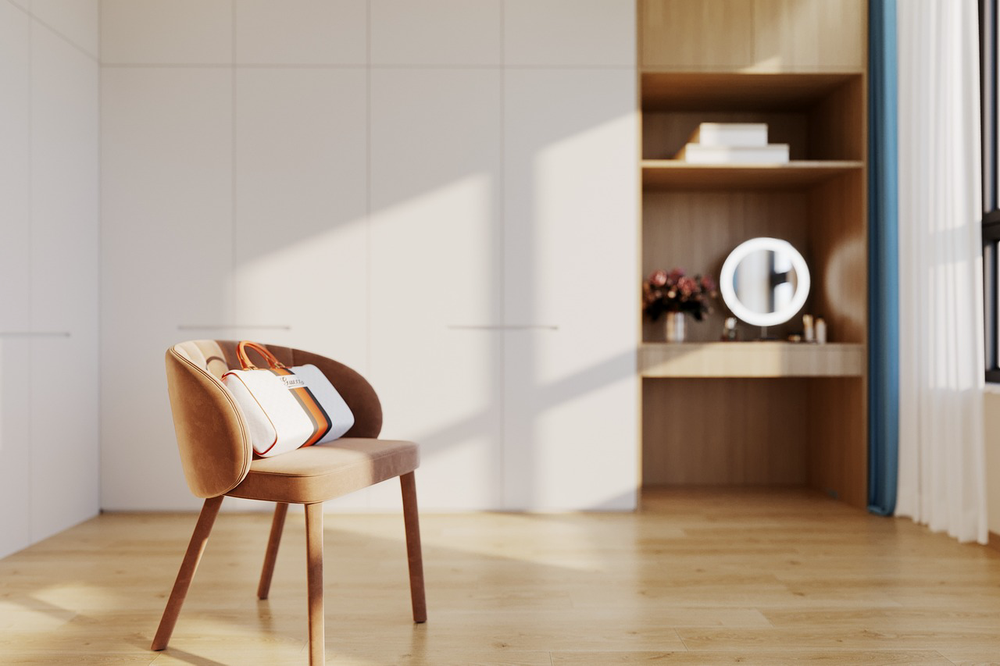
- Create a dedicated wind-down zone away from the bed. A couch, a reading chair, even a floor cushion in the corner.
- Set a hard stop for all screens at least 45 minutes before you plan to close your eyes.
- If you often eat or snack in bed, move the routine to the kitchen table—and eat earlier if possible (digestion can also interfere with deep sleep).
This one habit shift alone can dramatically strengthen the sleep-brain connection. Within a week or two, you may find that simply walking into the bedroom starts to trigger drowsiness—a profoundly helpful signal.
Mistake #2: Keeping the room too warm (even if it ‘feels’ right)
Here’s the tricky part: you might think you’re comfortable, but your body’s core temperature needs to drop by about one to two degrees Fahrenheit to initiate and maintain deep sleep. If the room is warm enough that you feel cozy, it might actually be working against your biology. Your body is not a passive passenger—it actively lowers its internal temperature at night, and a hot or even merely warm room opposes that natural process.
This doesn’t mean you need to freeze. But study after study finds that the optimal sleeping temperature for most adults is between 65°F and 68°F (18–20°C). Anything above 70°F can start to suppress the onset of rapid eye movement (REM) sleep and increase the number of nighttime awakenings. That “warm and comfy” feeling can actually be a mask for repeated micro-awakenings you don’t remember in the morning—but you feel the effects as grogginess, brain fog, or irritability.
Try this test: For three nights, lower your thermostat by just two degrees from where you normally set it. If you can’t control the thermostat, try a cooling mattress pad, a lighter blanket, or even sleeping with one foot outside the covers (it helps dissipate heat).
Why this happens
Your sleep-wake cycle is regulated by the circadian rhythm, which is tied directly to body temperature. As bedtime approaches, your core temperature naturally begins to fall, peaking at its lowest point in the early morning hours (around 4 a.m. to 5 a.m.). A warm environment can delay this drop, pushing the body’s internal clock out of sync. The result: you might fall asleep okay, but you’re more likely to wake up in the middle of the night and have trouble returning to slumber.
Sleep scientists call this a “thermal challenge” to sleep continuity. It’s a subtle force—you won’t necessarily wake up sweaty or uncomfortable, but the quality of your deep sleep will be measurably worse.
The bigger picture: small loops, big returns
Neither of these mistakes is dramatic. They don’t involve caffeine after dinner, blue light, or stress. They’re quiet, everyday actions that most people never think twice about. And that’s exactly why they’re so powerful—they fly under the radar, systematically degrading your sleep architecture a little bit every single night.
The best part? Fixing them doesn’t require a massive lifestyle overhaul. Start with just one: stop working or eating in bed, or lower your thermostat (or use a cooling pillow). Do it for a week. Notice what happens to your energy, your mood, how easily you fall asleep, and how long you stay asleep.
Sleep is a biological necessity, not a luxury. By removing these two silent saboteurs, you give your body the simple, clean conditions it needs to do its most important nightly work. After all, you don’t need perfect sleep—you just need to get out of your own way.