
Sleep is one of those things we tend to chase harder the less we get of it. And while your wind-down routine—the dim lights, the phone ban, the white noise machine—matters, what lands on your plate a few hours before bed may matter just as much. Dietitians, whose job is to look at food through the lens of function, don't chase trendy 'sleepy girl' mocktails. They lean on a small set of whole foods that deliver the nutrients your brain actually needs to transition into rest.
Here are four foods that dietitians regularly eat to help support sleep quality, no tinctures or specialty blends required.
1. A Small Bowl of Tart Cherries or Unsweetened Tart Cherry Juice
If you ask a dietitian for one food that punches above its weight for sleep, tart cherries often come up first. They are one of the few natural food sources of melatonin, the hormone that helps regulate your sleep-wake cycle. But it is not just the melatonin. Tart cherries also contain tryptophan and anthocyanins—anti-inflammatory compounds that may help reduce oxidative stress, which can interfere with sleep quality.
How dietitians use it: About 30 to 45 minutes before bed, some will have a small glass (roughly 4 to 6 ounces) of unsweetened tart cherry juice. Others prefer a half-cup of frozen tart cherries warmed slightly, almost like a mini compote. The key here is the unsweetened part—added sugar can spike blood sugar and disrupt sleep onset for some people.
A quick note: tart cherry juice is potent. A little goes a long way, and drinking too close to lying down can cause reflux in some people. If you are prone to heartburn, the whole fruit option might treat you better.
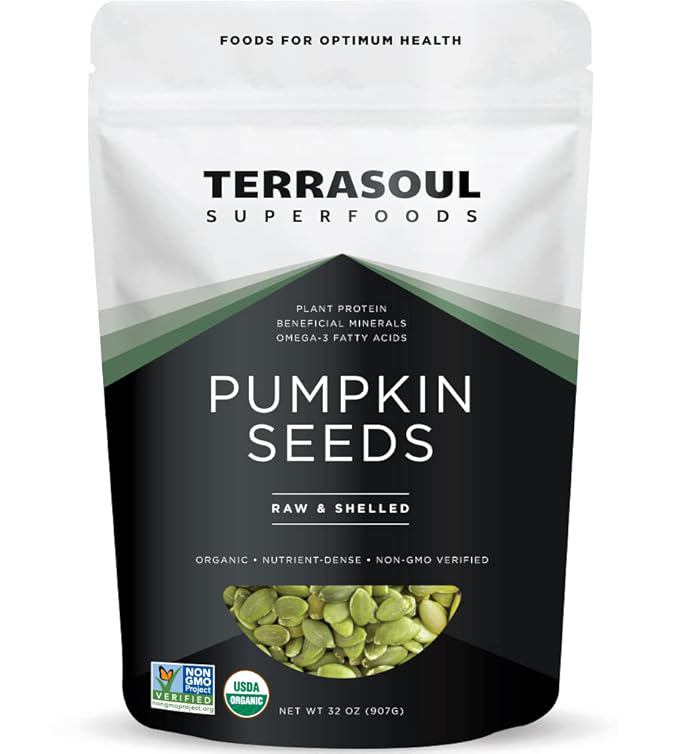
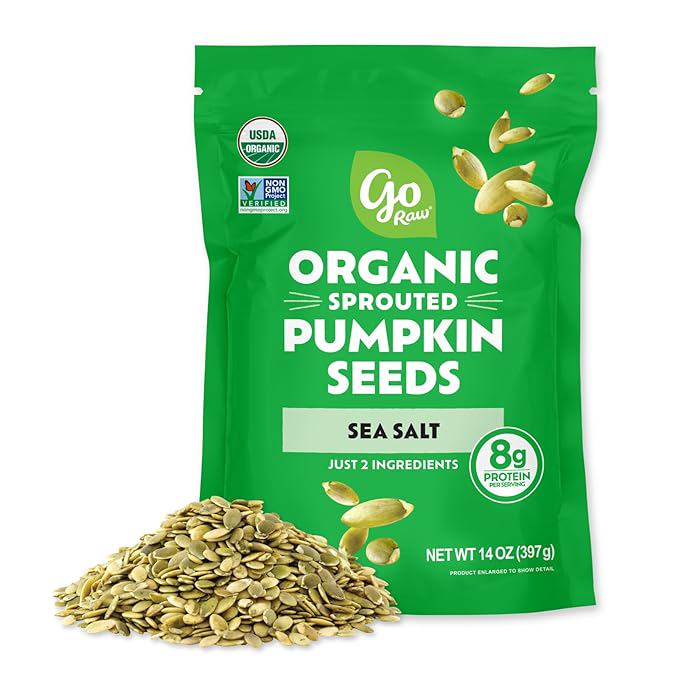
2. A Handful of Pumpkin Seeds (Pepitas) or Almonds
Magnesium is a mineral that gets a lot of sleep hype, and for good reason. It helps activate the parasympathetic nervous system—the branch of your nervous system that tells your body it is safe to relax. It also supports GABA receptors in the brain, which have a calming effect. Pumpkin seeds and almonds are both notably dense sources of magnesium, along with zinc, another mineral linked to deeper sleep stages.
How dietitians use it: A small handful (about a quarter cup) of raw pumpkin seeds or almonds eaten about an hour before bed. No roasting, no heavy salt—just plain or lightly toasted. Some dietitians will also blend a tablespoon of almond butter into a warm glass of milk, which adds a comfortable, ritualistic quality to the act.
If you eat pumpkin seeds, you get the bonus of tryptophan, too. It is a three-in-one: magnesium, zinc, and the amino acid your body uses to make serotonin and melatonin.
3. A Few Kiwi Fruits (Skin On)
Kiwis have become a bit of a darling in sleep research, and dietitians who follow the literature have taken notice. Some small clinical studies suggest that eating two kiwifruits one hour before bed may improve sleep onset, duration, and efficiency. The mechanism is not fully pinned down, but it is likely a combination of serotonin (kiwis are rich in it), antioxidants like vitamin C and carotenoids, and folate—all of which play roles in sleep regulation.
How dietitians use it: Two whole kiwifruits, washed well and eaten with the skin on (the fiber and many of the antioxidants live there). If the fuzzy texture bothers you, you can also blend one into a simple smoothie with plain yogurt, though the whole fruit offers more fiber and slower digestion, which may suit the overnight fast better.
One tip from a clinical dietitian I spoke with: do not pair kiwi with a heavy meal. The research suggests it works best eaten alone, close to bedtime, not as a dessert after a large dinner.
4. A Small Serving of Plain Full-Fat Greek Yogurt or Cottage Cheese
Dairy foods are a classic bedtime snack for a reason. They provide tryptophan, calcium, and protein—and the calcium in particular helps the brain use tryptophan to manufacture melatonin. But dietitians are choosy here. They opt for plain, full-fat versions over low-fat or sweetened ones. Why? Full-fat dairy has a more favorable effect on satiety and blood sugar stability through the night, while added sugars (even natural ones like honey in large amounts) can cause a blood sugar dip that wakes you up.
How dietitians use it: About a half-cup of plain full-fat Greek yogurt or cottage cheese. Some will sprinkle a pinch of cinnamon on top for flavor and its mild blood-sugar-stabilizing effect. A few will stir in a tablespoon of ground flaxseed for omega-3s and extra fiber. The protein content also provides a slow-release amino acid supply through the night, which may help maintain sleep depth.
Avoid the 'dessert yogurt' trap. If you need sweetness, add a few crushed tart cherries (from suggestion #1) instead of jam. You get the best of both foods.
A Quick Word on Timing and Portion
Every dietitian I have talked to stressed the same thing: the goal is a small, balanced snack, not a mini-meal. Eating too much right before bed can cause discomfort, reflux, and a metabolic spike that interferes with sleep. The target is roughly 150 to 200 calories, eaten about 45 minutes to an hour before you plan to close your eyes. If you are not hungry, you do not need to force a snack—but if a light craving hits, these four options give you the highest density of sleep-supportive nutrients per bite.
No single food is a cure for chronic insomnia. But when you consistently include these foods as part of a balanced evening routine, you give your body the raw materials it needs to do what it is designed to do: rest deeply, repair, and wake up actually feeling restored.