
You have likely spent a small fortune testing cleansers, serums, and spot treatments, all in the hope of calming breakouts. Yet one variable often gets overlooked in the rush to find the perfect product: the clock. When you wash your face — and, just as importantly, when you do not — can shift the balance of your skin’s microbiome, oil production, and barrier strength. For acne-prone skin, that timing is not a minor detail; it is a foundational part of the routine.
The logic is simple: your skin operates on its own circadian rhythm. During the day, it prioritizes protection (think sebum and antioxidant enzymes). At night, it shifts into repair mode, shedding dead cells and rebuilding collagen. If you wash at the wrong moment — or skip a wash entirely — you risk disrupting these natural cycles and feeding the conditions that lead to clogged pores and inflammation.
Morning wash: a reset, not a deep clean
Many people with oily or acne-prone skin wake up feeling greasy and immediately reach for a foaming cleanser to strip that layer away. That instinct can backfire. While you sleep, your skin produces sebum and accumulates sweat, but it also retains the remnants of your nighttime skincare. A thorough morning wash is necessary, but the type of cleanser matters more here than at night.
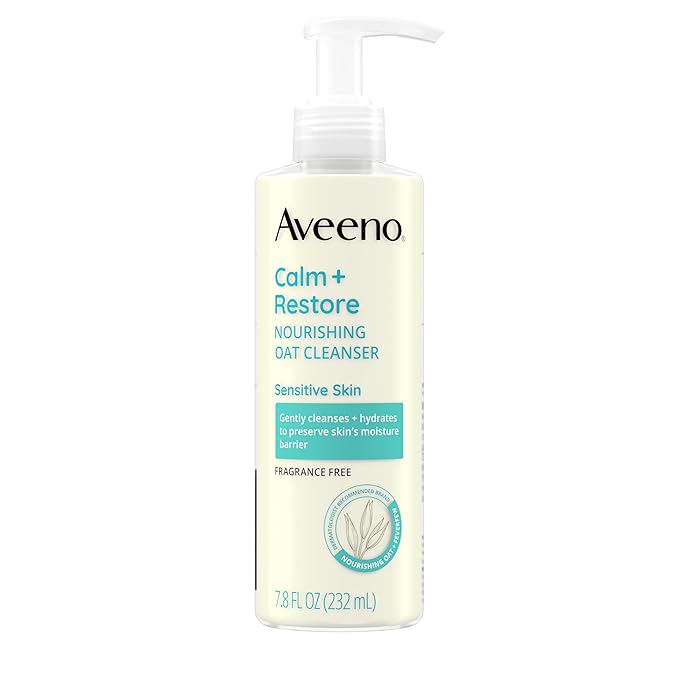
In the morning, your goal is to remove surface oil, sweat, and any residue from overnight products — not to scrub away impurities deep within pores. A gentle, non-foaming or low-pH cleanser often works best. Harsh sulfates can strip the acid mantle, prompting your skin to produce even more oil by midday. For acne-prone skin, this rebound oil production can lead to a fresh wave of clogged pores. If your skin feels tight or squeaky after washing, that is a sign you have overdone it.
What about dry or combination skin in the morning?
If your skin tends to be dry in patches but still breaks out in the T-zone, a splash of lukewarm water alone may be sufficient for some mornings. Studies show that water alone removes around 40–50% of surface debris without disrupting the barrier. However, if you use a leave-on acne treatment like benzoyl peroxide or adapalene at night, a gentle morning cleanse is recommended to remove oxidized residues that can cause irritation when exposed to sunlight.
Evening wash: the non-negotiable moment
Evening is when timing becomes truly critical. Throughout the day, your skin collects environmental pollutants, excess sebum, makeup, and sunscreen. These substances do more than just sit on the surface — they can oxidize, creating free radicals that degrade collagen and worsen acne inflammation. More importantly, dead skin cells and oil trapped under makeup or sunscreen create a perfect breeding ground for Cutibacterium acnes bacteria.
Washing your face within an hour of coming indoors — or immediately before bed — is the single most effective non-medical step you can take to prevent clogged pores. The longer these impurities sit, the deeper they settle into the follicle. This is especially true if you wear water-resistant sunscreen or non-comedogenic foundations, which are designed to stay put and resist water. They also resist removal if allowed to dry and set for hours.
A quick tip: if you wear makeup or heavy sunscreen, use an oil-based balm or micellar water as a first step (double cleanse), followed by a water-based cleanser. Skipping the first step often leaves a film that contributes to congestion.
What about midday washing?
Some people with very oily skin are tempted to wash their face in the middle of the day. While the impulse is understandable, a full wash can strip the skin and trigger reactive oiliness. If you feel grimy mid-afternoon, blotting papers or a light mist followed by a tissue are kinder to your barrier. The exception is after exercise: if you sweat heavily, rinse with water or use a gentle cleanser within 30 minutes. Sweat mixed with surface oil can become irritating and clog pores if left to dry.
The common timing mistake that worsens acne
One pattern I see frequently in clinic visits is the "all-or-nothing" approach: someone washes aggressively morning and night, then skips a day or two when their skin feels dry or irritated. This inconsistency confuses the skin’s microbiome. The protective barrier needs regular, gentle cleansing to maintain an optimal pH and bacterial balance. Erratic washing — especially skipping the nighttime wash — allows biofilm to build up, and that biofilm encourages C. acnes overgrowth.
Another overlooked timing factor is how long you actually spend washing. Rushing a 15-second lather does not allow the cleanser to properly emulsify oil and debris. On the other hand, scrubbing for two minutes with a harsh cleanser inflames the skin. Aim for 45–60 seconds of gentle circular motion, then rinse thoroughly. Set a timer if needed; it makes a difference.
Adjusting timing for seasonal and lifestyle shifts
Your skin’s needs change with the weather and your schedule. In winter, indoor heating dries the air, and your barrier may become more fragile. You might find that washing only with lukewarm water in the morning (skipping cleanser) prevents stinging and tightness. In humid summer months, a light gel cleanser twice a day may be necessary to manage excess oil. Listen to your skin’s feedback: if it feels tight, itchy, or appears flaky, scale back; if it feels greasy by noon, a midday blot or rinse may help without a full wash.
If you work night shifts or have irregular sleep, treat your "morning" as the time you wake up and your "evening" as the time you go to sleep, regardless of the actual hour. The principle remains: wash before sleep to remove the day’s accumulation, and wash upon waking to reset.
When to wash before and after treatments
Many topical acne treatments require specific timing relative to cleansing. For instance, applying benzoyl peroxide or salicylic acid to damp skin right after washing can increase irritation. Wait at least 10–15 minutes after washing to allow the skin’s pH to normalize. On the flip side, if you use a retinoid, applying it to completely dry skin — which may mean waiting 20–30 minutes after washing — reduces the risk of peeling and redness. These small adjustments in the sequencing of your evening routine can dramatically improve tolerance and efficacy.
Key takeaways
- Wash your face within one hour of coming indoors or before bed to remove pore-clogging impurities.
- Use a gentle, low-pH cleanser in the morning to avoid stripping the acid mantle and triggering rebound oiliness.
- Spend 45–60 seconds cleansing in the evening with a double-cleansing method if you wear makeup or heavy sunscreen.
- Avoid washing mid-day unless after heavy sweating; use blotting papers instead for oil control.
- Wait 10–15 minutes after washing before applying acne treatments to reduce irritation and improve absorption.