
You've been diligent with your skincare routine, washing your face twice daily and resisting the urge to pick. But even after a forehead breakout finally calms down, the area doesn't quite look like it used to. Maybe there's a patch of skin that feels slightly rough, or a shadow that lingers longer than the pimple itself did. This is the critical window—the moment when an active blemish can turn into a permanent post-acne mark.
Forehead skin is unique. It's oilier than your cheeks but thinner than your chin, and it's constantly exposed to UV light from daily life. That combination makes it especially prone to stubborn marks if you miss the early signs. Recognizing these five warning signals can help you act before a temporary spot becomes a lasting impression.
1. The Spot Stays Red or Dark After the Swelling Goes Down
The most obvious clue is color that doesn't fade. Once the tenderness and pus are gone, a healthy healing spot should gradually return to your normal skin tone within a few days. If you notice a flat patch of red, pink, purple, or brown that persists for a week or more after the pimple has resolved, that's a signal that inflammation has triggered excess melanin production or damaged small blood vessels beneath the surface.
On lighter skin tones, this often appears as persistent redness (post-inflammatory erythema). On darker skin, it tends to present as brown or grayish spots (post-inflammatory hyperpigmentation). The forehead's constant sun exposure can darken these marks further, making early intervention essential.
Quick check: If you press on the spot and the color doesn't temporarily blanch (lighten), the pigment change may already be setting in.
2. The Texture Changes—Even When the Spot is Flat
Not all post-acne marks are just about color. When a deep or aggressive pimple damages the underlying collagen, your skin may respond by either overproducing or underproducing tissue. You might feel slight depressions or, conversely, a subtle raised area that wasn't there before.
Run your fingertip gently across your forehead in natural light. If you detect any areas that feel different—bumpy, pitted, or uneven—even when the breakout is completely flat to the eye, this is a sign that the inflammation has reached the dermal layer. Early textural changes are subtle. They often feel like tiny, shallow craters you only notice when the skin is clean and dry.
3. Picking or Squeezing Was Involved—Even Just a Little
This is more of a behavioral warning sign. If you've popped, scratched, or even gently pressed on a forehead pimple, you have significantly increased the risk of scarring. The action doesn't have to be violent. Even a gentle squeeze can rupture the follicle deep beneath the skin, spreading bacteria and inflammatory fluid into the surrounding tissue. That damage extends the healing time and increases the likelihood of a permanent mark.
Self-assessment is key here. Be honest with yourself: did you touch that pimple more than once? Did you use your fingers instead of a sterile tool? The presence of even minimal picking history alongside a slow-healing spot is a strong indicator that you are looking at a mark in the making, not just a healing blemish.
4. It's the Same Forehead Spot—Over and Over
Recurring breakouts in the exact same location are a major red flag. Each time a pimple develops in a previously inflamed pore, it deepens the existing damage. The tissue becomes weaker, the inflammation stays chronic, and the likelihood of a permanent mark increases with each cycle.
If you find yourself dealing with a pimple that seems to resurface every few weeks at the exact same spot near your hairline or between your brows, your skin is signaling that the underlying issue isn't fully resolved. This repeated trauma is one of the most common pathways to ice-pick scars and persistent dark marks on the forehead.
5. The Spot Has Been There for More Than Two Weeks
The healing clock starts the day the pimple begins to flatten and the redness or tenderness peaks. For most mild acne, visible signs should be fading noticeably within 7 to 10 days. If a spot—whether flat or slightly raised—remains distinctly visible beyond the two-week mark without significant fading, that's a clear sign that the healing process has stalled or shifted into a scar-formation phase.
This is especially true for marks that have stayed the same size or color for the entire second week. A healing spot should show gradual improvement day by day. A static spot is a spot that is cementing itself into a permanent mark. For forehead acne, which is always exposed to friction from hats, pillows, and sunglasses, the two-week rule is a reliable benchmark.
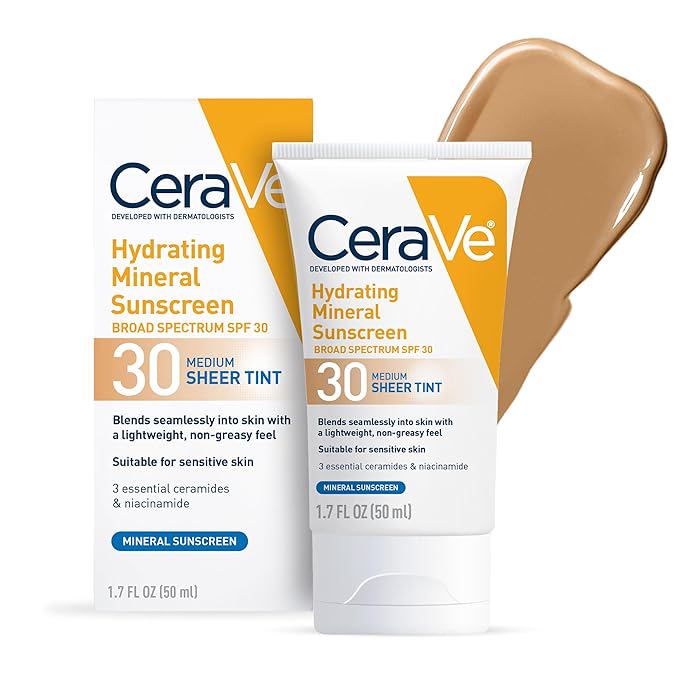
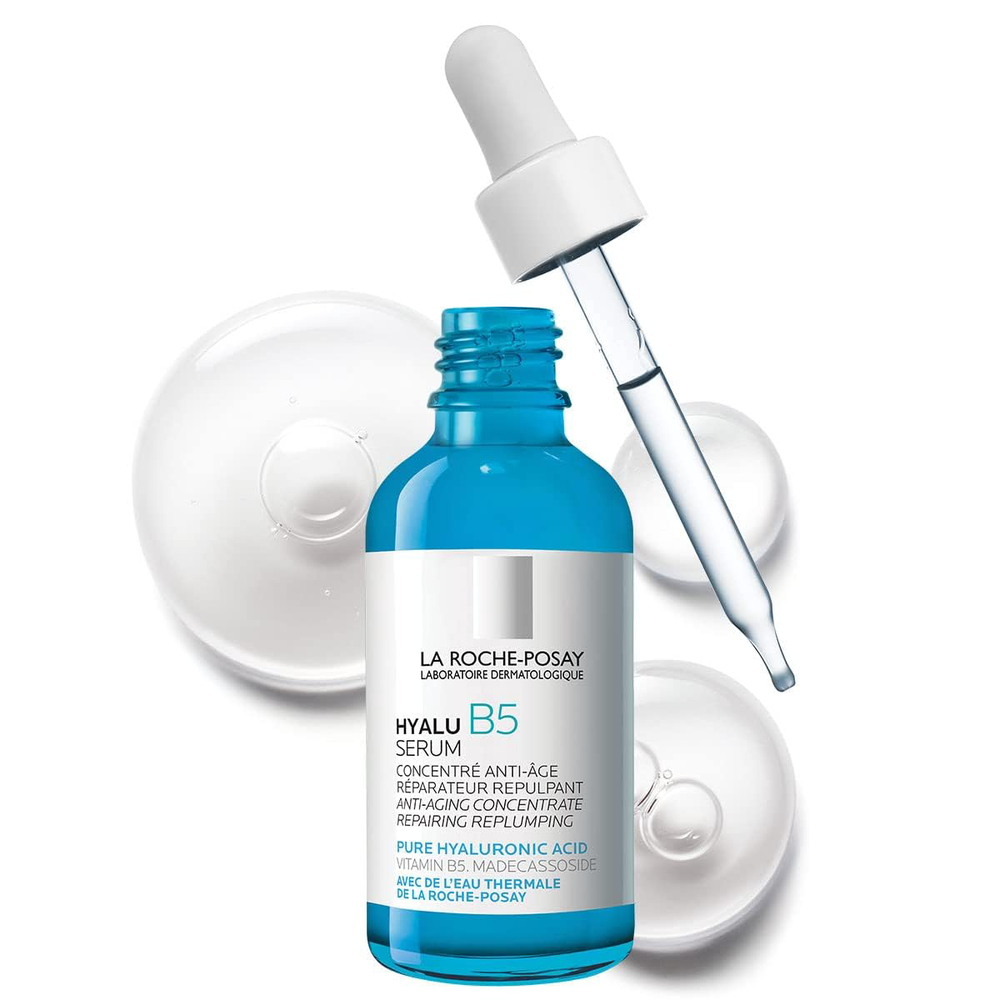
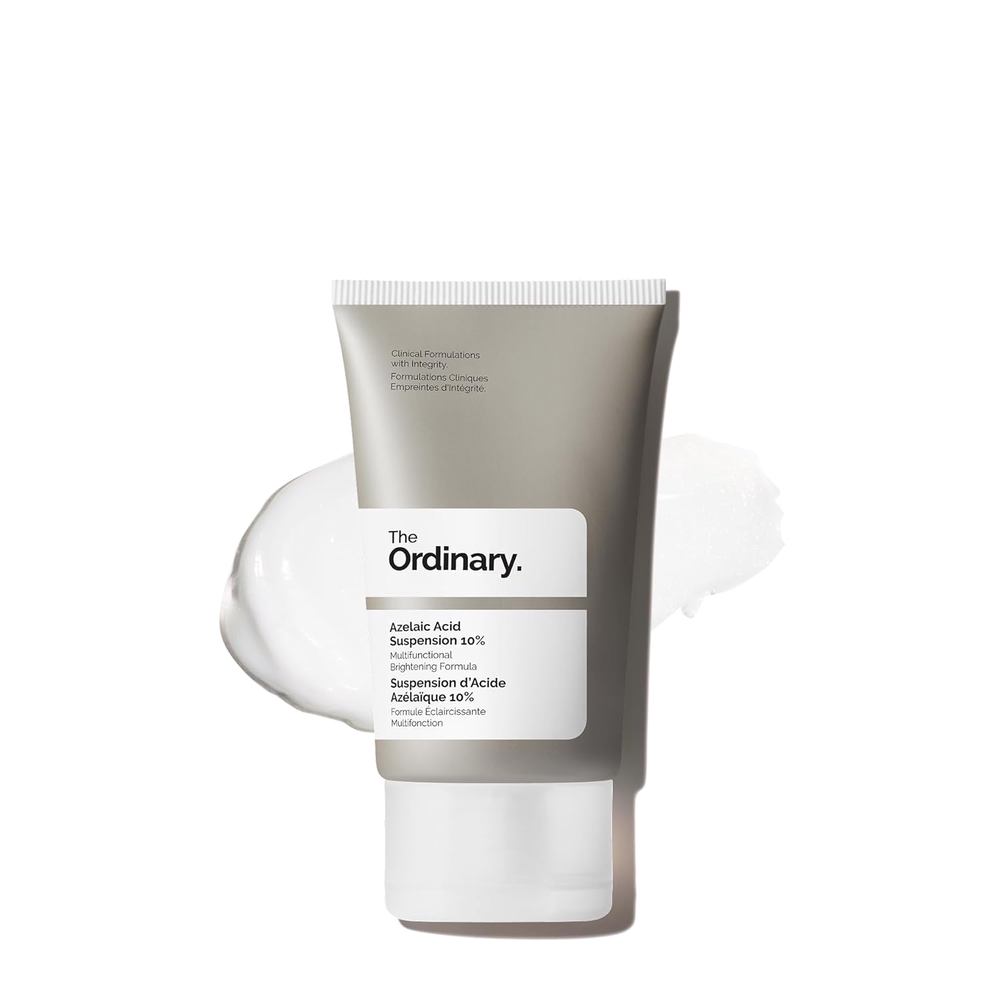
If you recognize one or more of these signs, the next step is to shift your focus from treating active acne to supporting skin barrier recovery and cell turnover. Gentle exfoliation, non-comedogenic moisturizers, and daily broad-spectrum sun protection become your priorities. Persistent or deep marks may respond well to targeted ingredients like azelaic acid, niacinamide, or, after consulting a professional, in-office treatments. The goal is to interrupt the process now, while the mark is still reversible.