You can log hours of cardio, master every dance workout, and nail your step-ups — but if your diet is short on protein, you could be working against your own muscles. It's one of the most common missteps in fitness: prioritizing calorie burn without thinking about what your body needs to repair and rebuild. Let's look at why skipping protein is such a common mistake for muscle loss, and how to make sure you're not undoing your hard work.
What happens when you don't get enough protein
Protein does a lot more than help you feel full. Every time you exercise — especially during strength training or high-intensity interval work — you create tiny tears in your muscle fibers. Protein provides the amino acids your body uses to repair those tears and build the tissue back stronger. If you consistently fall short on protein, your body can't keep up with repair. Over time, you may start to lose lean muscle mass, even if you're exercising regularly.
This is especially important as we age. After about age 30, adults naturally lose 3 to 5 percent of muscle mass per decade. Without enough dietary protein, that loss can accelerate. Think of protein as the raw material your muscles need to maintain themselves; without it, your workouts become less effective and your metabolism can slow down.
Why cardio-focused routines can backfire
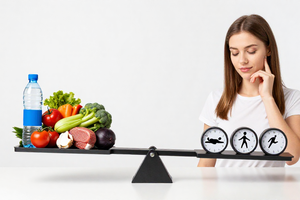
Many people gravitate toward cardio for weight loss, building entire routines around running, cycling, or dance-based interval drills. While these activities are great for your heart and lungs, they don't stimulate muscle growth the way resistance work does. Combine a high-volume cardio routine with a low-protein diet, and you may end up losing muscle instead of fat — or losing both. That's the opposite of what most people want.
Even in a fun, high-energy workout like the bhangra-style side shuffle popularized by fitness enthusiasts, the focus is often on calorie burn rather than muscle preservation. That's fine as part of a balanced plan, but it underscores the importance of checking your protein intake. Without adequate protein, the calorie deficit created by intense cardio can pull from muscle stores, not just body fat.
How much protein do you really need?
There's no one-size-fits-all number, but general guidelines offer a useful starting point. Most healthy adults should aim for at least 0.8 grams of protein per kilogram of body weight per day. For someone who is active and trying to preserve or build muscle, the target often rises to 1.2 to 2.0 grams per kilogram. That might sound like a lot, but it's achievable with a few mindful choices at each meal.
A simple check: if your main meals center mostly on grains, vegetables, and fats without a clear protein source, you may be falling short.
Easy ways to get more protein without overhauling your diet
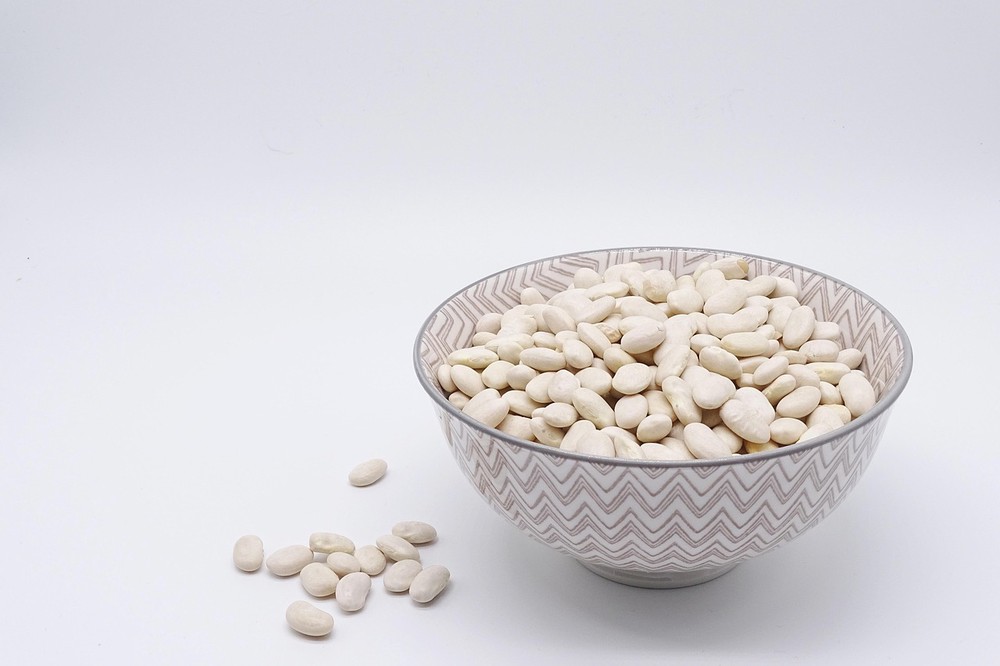
- Include a protein source at every meal. Eggs at breakfast, grilled chicken or fish at lunch, lentils or tofu at dinner — small additions add up.
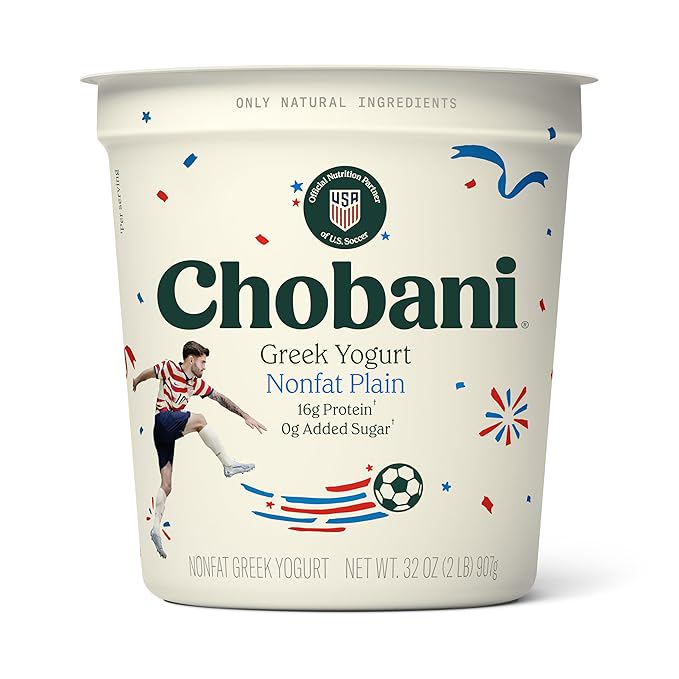
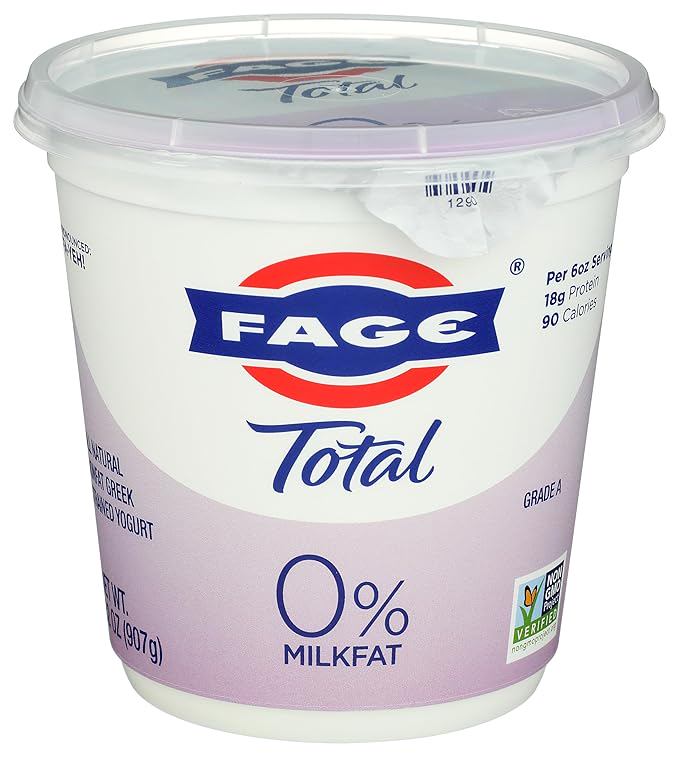
- Use protein-rich snacks. Greek yogurt, cottage cheese, edamame, or a handful of nuts can bridge the gap between meals.
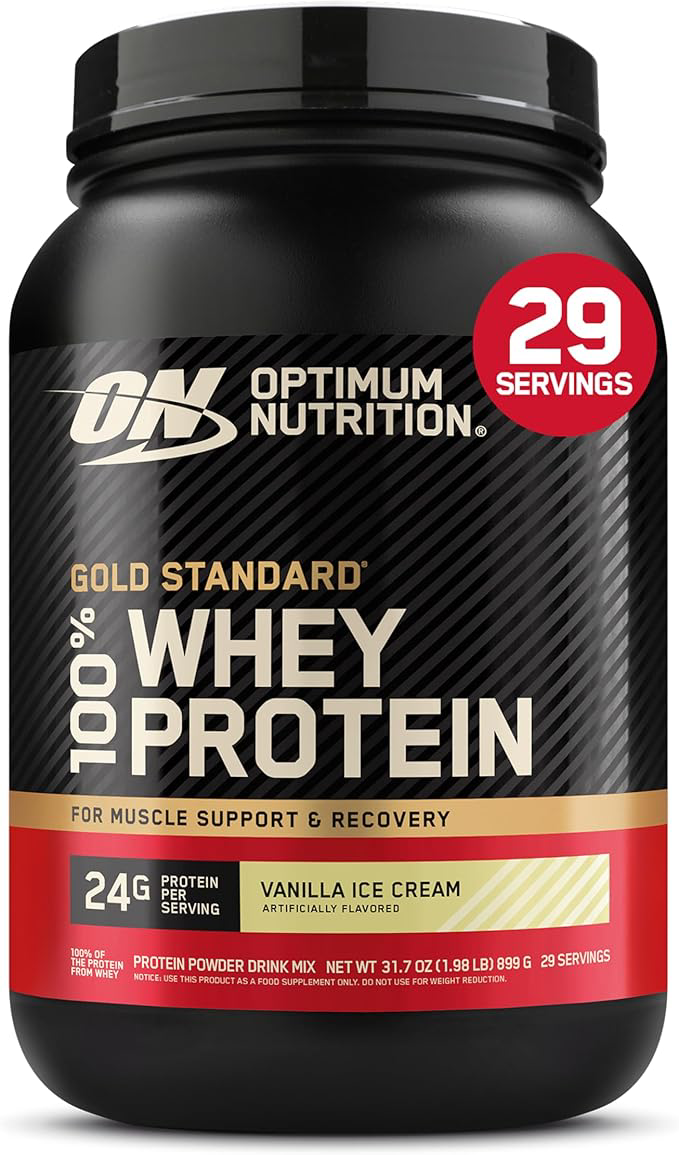
- Make swaps. Replace a sugary smoothie with a protein-packed version using unsweetened milk, berries, and a scoop of powder.
You don't have to count every gram, but being aware of protein's role can help you make better choices. Many people assume they get enough, but a typical breakfast of toast and coffee or a lunch of salad with dressing often lacks the protein your muscles need.
The bigger picture: protein, recovery, and muscle health
Protein isn't just for bodybuilders. It matters for anyone who wants to stay strong, mobile, and healthy. Spreading your intake across the day — rather than loading up at dinner — seems to help your body use it more effectively. A recent study found that people who ate protein more evenly across three meals had better muscle synthesis than those who ate most of their protein at one meal.
Recovery also depends on protein. After a tough workout, your muscles are primed to absorb amino acids. A post-exercise snack or meal containing about 20 to 25 grams of protein can kickstart the repair process. That could look like a chicken wrap, a protein shake, or a bowl of quinoa with vegetables.
The bottom line: if you're active but not paying attention to protein, you may be making a common mistake that costs you muscle. It's not about cutting out cardio or only eating meat — it's about balancing your plate so that your body has the tools it needs to rebuild. Think of protein as the foundation your fitness routine rests on, and you'll be far less likely to lose the muscle you're working to keep.