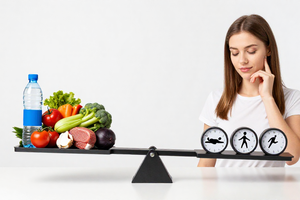

For many people navigating weight loss with the help of medication, the instinct to restrict calories as much as possible feels logical. If you want to lose weight, shouldn’t you eat less? In reality, skipping meals while taking weight loss medication is a well-intentioned but counterproductive strategy. It can sabotage your progress, worsen side effects, and make it harder to keep weight off long-term.
When you bypass a meal, your body enters a state of energy conservation. Your metabolism slows down, and the medication you are taking may cause more pronounced side effects on an empty stomach, such as nausea or lightheadedness. Instead of accelerating your results, this pattern creates a cycle of low energy, nutrient gaps, and rebound cravings. Understanding why this happens is the foundation for safer, more effective habits.
The biological response to skipping meals
Your body relies on a steady supply of energy from food to maintain its basic functions. When you skip a meal, blood sugar levels dip, triggering the release of stress hormones like cortisol to generate glucose for fuel. This response is a survival mechanism, but for someone on weight loss medication, it can spike hunger signals and encourage overeating at the next meal. While the medication may suppress appetite, it can’t override the body’s natural drive to compensate for a steep energy deficit.
Furthermore, many weight loss medications work by influencing hormones that control appetite and satiety, such as GLP-1. Taking these medications without appropriate meal timing can amplify gastrointestinal discomfort and reduce treatment adherence. Skiping meals essentially asks your medication to do its job without the nutritional foundation it needs to support healthy change.
How skipping meals affects your metabolism
Metabolism is not a fixed dial—it is an adaptive process. When you consistently skip meals, your body adapts by lowering its resting energy expenditure. A slower metabolism means you burn fewer calories at rest, which directly clashes with your weight loss goals. This adaptive thermogenesis can make what used to work for weight loss suddenly ineffective, leading to a frustrating plateau.
Combining medication with erratic eating patterns can also affect muscle preservation. The body may turn to muscle tissue as an energy source when it doesn’t receive enough calories from food, especially if your protein intake is low. Losing muscle curbs your metabolism further, since muscle is more metabolically active than fat. The end result is a loss of lean mass, not just fat—and a body that burns fewer calories around the clock.
A note on portion size: Reducing portion size is a common and sensible weight loss strategy, but doing it through skipped meals rather than mindful portions backfires. Small, consistent meals support steady blood sugar and keep your metabolism from entering low-power mode.
The impact on medication effectiveness and side effects
Weight loss medications require some routine to be effective and tolerable. Skipping meals often goes hand in hand with inconsistent intake, which can lead to peaks and valleys in how the drug feels in your system. Many individuals report increased nausea, jitteriness, or fatigue when they take their medication on an empty stomach. By having a small, balanced meal at regular intervals, you provide a buffer that stabilizes both side effects and appetite control.
It is also worth noting that certain weight loss medications can cause an increased risk of gastrointestinal side effects like constipation or diarrhea. Skipping meals can worsen these issues. For instance, not eating enough fiber-rich foods when reducing calories can lead to constipation, which may become more pronounced with medication. The solution isn’t to skip more meals but to plan nourishing, portion-controlled meals that work with your treatment plan.
How to avoid this common mistake
The shift from skipping meals to structured, consistent eating patterns is one of the most impactful changes you can make. Instead of viewing a reduced calorie intake as permission to eat less frequently, focus on spreading your food into three to four smaller meals that include protein, healthy fats, and fiber. This approach keeps your metabolism active, supports blood sugar stability, and makes the medication’s side effects easier to manage.
- Eat at consistent times each day. Regular meal timing trains your body to expect fuel and helps regulate hunger cues.
- Include protein and produce at every meal. These nutrients support satiety and provide essential vitamins that medication may alter your absorption of.
- Stay hydrated. Thirst is sometimes mistaken for hunger. Drinking enough water supports metabolism and reduces the severity of certain medication side effects.
- Plan meals that are satisfying but controlled. Use visual cues for portion sizes—such as half a plate of vegetables, a quarter lean protein, and a quarter whole grains—to avoid overeating without feeling deprived.
Sleep and stress are metabolic allies
Skipping meals often overlaps with another common weight loss pitfall: not enough sleep. Sleep deprivation increases levels of ghrelin, the hunger hormone, and decreases leptin, the satiety hormone. When your body is already managing the effects of medication, lack of sleep can worsen both metabolic slowdown and appetite dysregulation. Combined with erratic eating, it creates a perfect storm for stalled progress. Prioritizing consistent sleep—aiming for seven to eight hours—supports recovery and keeps your appetite hormones in better balance.
Similarly, chronic stress from unrealistic expectations or dietary deprivation can push cortisol high enough to promote fat storage, particularly around the midsection. The decision to skip meals is often driven by a desire for fast results, but sustainable weight loss is gradual. Setting small, realistic goals relieves pressure and allows your body to adapt healthily.
Recognizing hidden sources of sugar and unhealthy fats
When you do eat after skipping a meal, you may be more likely to reach for convenience items labeled “healthy.” Protein bars, juices, and ready-made meals often carry misleading labels that hide high amounts of added sugar and saturated fats. Reading ingredient lists carefully is essential. Look for the least processed option with whole-food ingredients, and pay close attention to serving sizes. Even a small snack can have far more calories than intended if you aren’t checking the package.
Ultimately, weight loss medication is a tool—not a replacement for nutrition. Skipping meals undercuts the tool’s effectiveness and puts your body into survival mode. The smarter, more sustainable path is to pair medication with consistent, well-timed, nutrient-dense meals. This approach reduces side effects, stabilizes your metabolism, and gives you the energy to maintain healthy habits long after you’ve reached your goal.