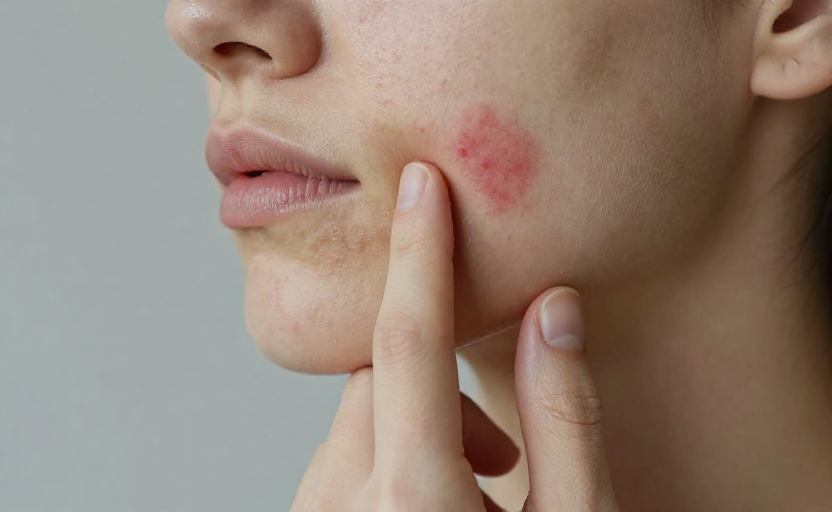
It starts the same way every time. You feel that deep, tender bump beneath the skin—the one that doesn’t come to a head but throbs with pressure. And before you’ve fully thought it through, your fingers are already at work, pressing, squeezing, trying to force out what isn’t ready to leave. If you’ve ever done this, you know the immediate aftermath: redness, swelling, and eventually, a mark that lingers for weeks or months. That mark is a scar, and cystic acne is especially unforgiving when picked.
Cystic acne isn’t like the surface-level whiteheads or blackheads you might pop without much consequence. These lesions form deep in the dermis, where the body’s inflammatory response is intense. When you pick, you aren’t just removing pus; you’re disrupting a complex wound-healing process that your skin is already struggling to manage. Understanding what happens beneath the surface can help you stop the cycle—and two specific habits can make all the difference.
What happens in the skin when you pick cystic acne
A cystic pimple is essentially a small, inflamed pocket of infection walled off by your immune system. Inside, white blood cells and bacteria are locked in a battle, creating pressure and fluid. The skin around it is swollen and fragile. When you press or pick, you rupture that wall, spreading bacteria into surrounding healthy tissue. This creates a larger zone of inflammation and increases the chance that the body will respond by laying down collagen in a disorganized way—exactly what leads to a depressed or raised scar.
Picking also damages collagen fibers and elastin in the dermis. Unlike surface blemishes, cystic lesions heal slowly because the deeper layers of skin have poorer blood supply. Once those fibers are torn, your body may overproduce collagen to patch the area, forming a raised keloid or hypertrophic scar, or it may produce too little, leaving an atrophic (pitted) scar. Both are far more difficult to treat than the original pimple.
Why some scars persist for months
Even if you stop picking, the post-inflammatory hyperpigmentation (the dark or red spot) can linger for six to twelve months. But picking adds another layer: it reopens the wound and resets the healing clock. Each time you pick, you prolong the inflammatory phase, allowing more time for pigment cells (melanocytes) to be activated and for collagen to be laid down improperly. This is why a single picked cystic spot can leave a visible mark for a year or longer, while an untouched one might only leave a temporary red dot.
Habit #1: Replace picking with targeted spot treatment
The first habit to break is the physical act of touching your face. It sounds simple, but it’s deeply ingrained. Many people pick unconsciously while reading, watching TV, or stressing over work. The key is to interrupt that pattern. Keep a small tube of a benzoyl peroxide or salicylic acid spot treatment in a place you’ll see it—next to your phone, on your desk, or in your pocket. When you feel the urge to pick, apply the treatment instead. The cooling sensation and the knowledge that you’re actively helping the spot heal can replace the tactile satisfaction of picking.
For cystic bumps that are stubborn and deep, consider a hydrocolloid patch. These patches create a moist healing environment and physically block your fingers from the lesion. They also absorb fluid if the spot does break open naturally. Wearing one overnight—or even during the day under makeup—gives the skin uninterrupted time to heal without interference.
One gentle rule: if you can’t see a visible white or yellow head, don’t touch it. Cystic acne is not ready to be drained by anyone but a professional.
Habit #2: Adopt a hands-off skin-care routine
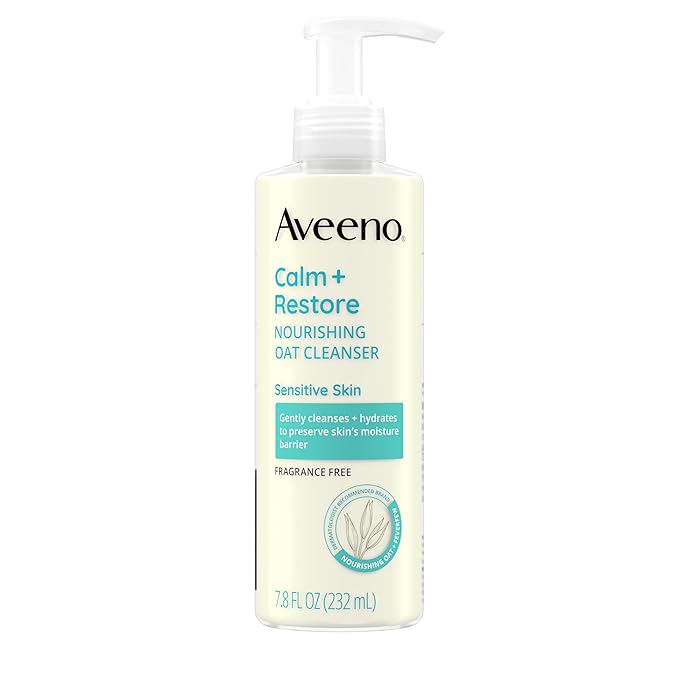
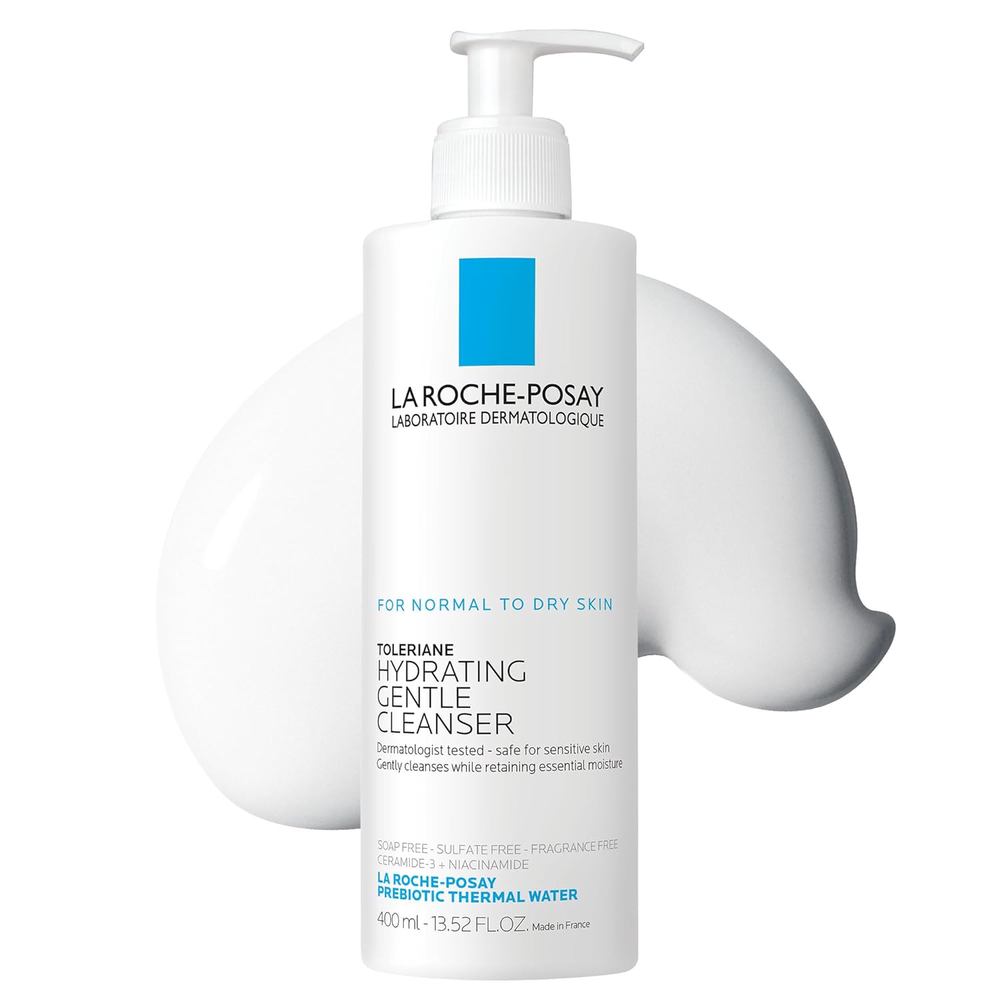
The second habit is about what you do to your skin every day. Many people with cystic acne scrub aggressively, hoping to exfoliate away the bumps. This only aggravates inflammation and thins the protective barrier, making skin more reactive. Instead, switch to a non-stripping cleanser (look for gentle surfactants like cocamidopropyl betaine or sodium lauroyl sarcosinate) and use lukewarm water. Pat dry with a clean towel—never rub.
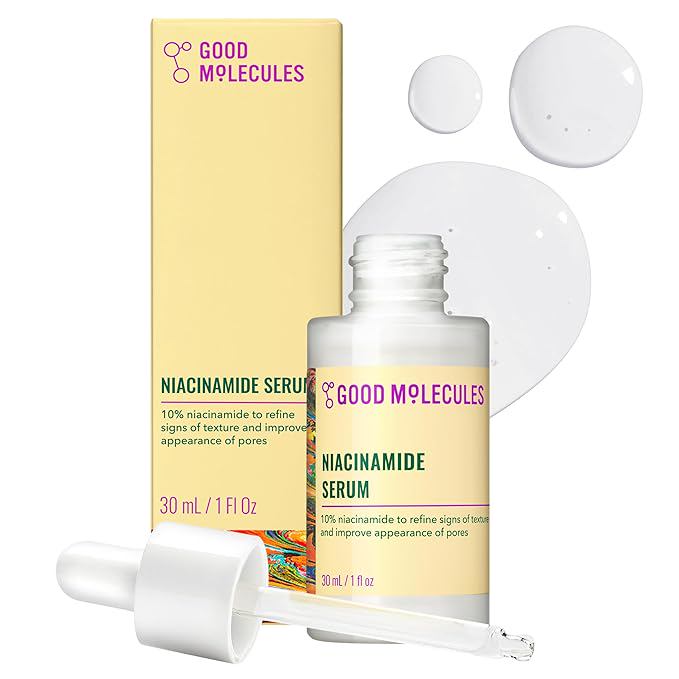
Moisturizing is critical, even for oily skin. Cystic-prone skin is often dehydrated, and when the barrier is compromised, bacteria can penetrate more easily. A lightweight, oil-free moisturizer with ceramides or niacinamide helps maintain barrier integrity. Niacinamide also has anti-inflammatory effects that can reduce the severity of cystic lesions before they erupt.
Exfoliation should be limited to chemical exfoliants like salicylic acid (a beta hydroxy acid that penetrates oil) or lactic acid (a gentle alpha hydroxy acid), used no more than two to three times per week. Physical scrubs, brushes, and gritty masks are too harsh for active cystic acne and often cause micro-tears that later become scars.
When to see a dermatologist
If you have persistent cystic acne that leaves scars despite your best efforts, it may be time for professional help. Dermatologists can offer in-office drainage and extraction (done under sterile conditions with proper tools), corticosteroid injections to shrink large cysts quickly, or prescription treatments like isotretinoin for severe cases. They can also begin scar treatments—such as microneedling, laser resurfacing, or chemical peels—once the active breakouts are controlled.
The most important takeaway? Scars from cystic acne are largely avoidable if you stop picking. Your skin has an impressive capacity to heal on its own when given the chance. Breaking these two habits—interrupting the physical urge to pick and building a gentle, consistent skin-care routine—can dramatically reduce the long-term marks you see in the mirror.