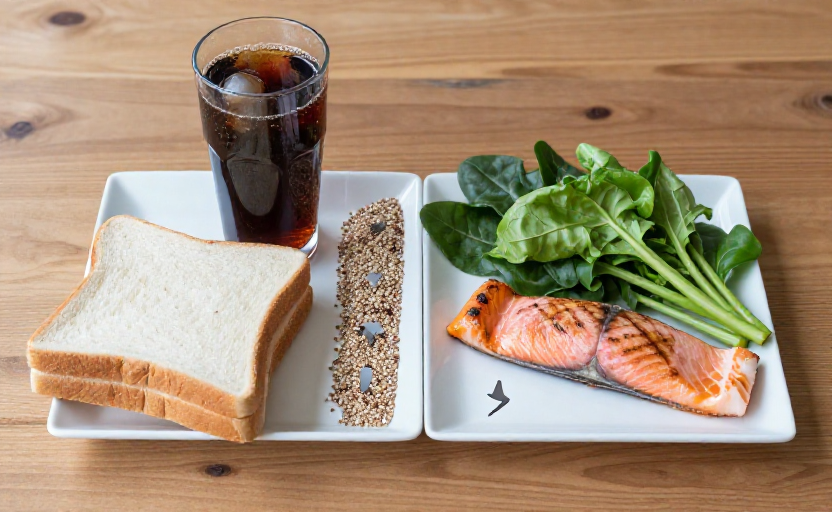
You wash your face, you change your pillowcase, you even tried that trendy LED mask—but those deep, painful, underground cysts still show up with frustrating regularity. If you’ve been searching for the missing link in your skincare routine, it might actually be sitting on your dinner plate. The connection between what we eat and cystic acne is a topic that has moved firmly out of myth territory and into evidence-based dermatology. And one of the most compelling culprits? The glycemic load of the meals we eat every day.
It’s not about “bad” foods or extreme restriction. It’s about understanding a simple biological chain reaction: how certain carbohydrates can trigger a hormonal cascade that makes your oil glands go into overdrive. Here’s what that means for your skin—and, more importantly, what you can actually do about it without feeling deprived.
The Glycemic-Acne Link: It’s About Biology, Not Blame
Let’s start with the mechanism, because once you understand it, your food choices start to feel less like a list of rules and more like a set of tools. A high-glycemic meal is one that rapidly spikes your blood sugar. Think white bread, sugary cereal, soda, or a bag of pretzels eaten on an empty stomach. When that sugar rush hits your bloodstream, your pancreas releases a surge of insulin to bring things back down.
Here is where the acne connection gets specific. High insulin levels boost something called insulin-like growth factor 1 (IGF-1). IGF-1 is a hormone that signals your skin to ramp up sebum (oil) production. It also encourages the growth of skin cells inside your pores and increases the activity of androgens. The result is a perfect storm: more oil, more dead cells clogging the follicle, and more inflammation. That is the biological recipe for a cyst—a deep, inflamed lesion that lives below the skin’s surface.
Key insight: The issue isn't carbohydrates themselves. It's the speed and magnitude of the blood sugar spike. A slower, steadier rise avoids the hormonal domino effect that fuels cystic breakouts.
Why Cystic Acne Reacts Differently to Diet
Not all acne is created equal in how it responds to food. Surface-level whiteheads and blackheads (comedonal acne) are largely driven by pore blockage and bacteria. They can be triggered by diet, but the link is less direct. Cystic acne, on the other hand, is primarily an inflammatory condition rooted in deep hormonal signaling. This makes it particularly sensitive to the insulin and IGF-1 response triggered by high-glycemic foods.
Multiple clinical studies have observed this relationship. For example, researchers have found that young adults who follow a low-glycemic-load diet see a significant reduction in inflammatory acne lesions compared to those eating a high-glycemic diet. The improvement is often visible within four to eight weeks. This isn't a cure for everyone, but for many people with persistent cystic breakouts, it is a genuinely effective piece of the puzzle.
What “Eating Instead” Looks Like on Your Plate
Shifting away from high-glycemic meals doesn't mean living on lettuce and sadness. It means swapping the rapid-release carbs for slower ones that are bundled with fiber, protein, or healthy fat. These nutrients slow down digestion and flatten that blood sugar spike.
Simple Swaps That Protect Your Skin
- Swap white rice for quinoa or brown rice. Quinoa is a complete protein and has a much lower glycemic load than white rice or instant rice.
- Choose whole fruit over fruit juice. An orange has fiber that blunts the sugar rush. A glass of orange juice hits your system almost like soda.
- Add fat and protein to your carbs. A slice of whole-grain toast is better balanced if you top it with smashed avocado and an egg instead of jam or honey.
- Eat your vegetables first. Starting a meal with a salad or steamed greens (fiber) helps buffer the absorption of whatever carbs come next.
Foods That Are Consistently Helpful
There is no single “acne-fighting superfood,” but certain categories of food support stable blood sugar and lower inflammation. These are worth building your meals around:
- Non-starchy vegetables: Leafy greens, broccoli, bell peppers, zucchini, cauliflower. Eat them freely.
- Whole legumes: Lentils, chickpeas, and black beans are packed with fiber and protein. They are among the lowest-glycemic carbohydrate sources available.
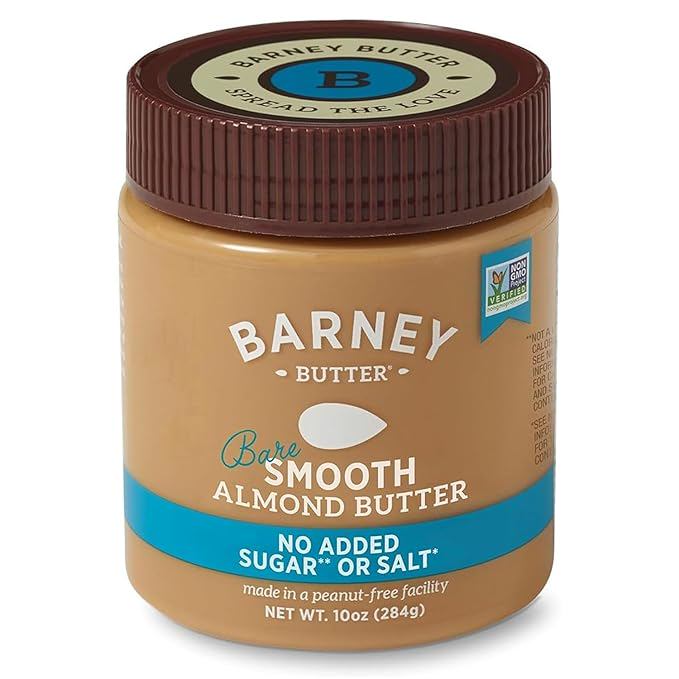
- Nuts and seeds: Almonds, walnuts, flaxseeds, and chia seeds provide healthy fats and help slow the absorption of sugar from a meal.
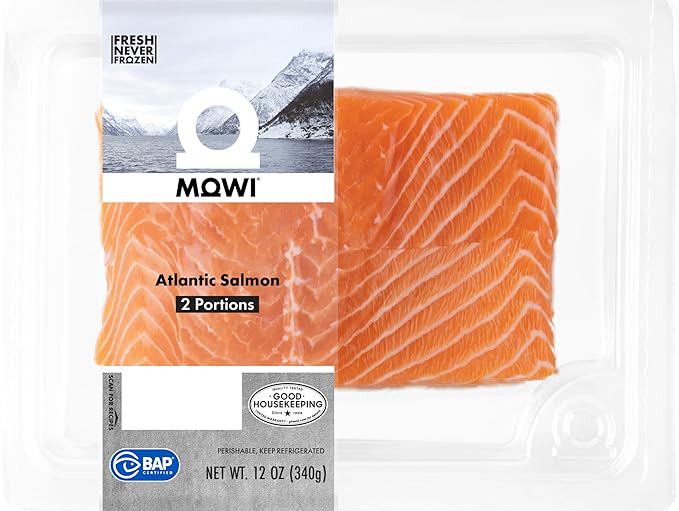
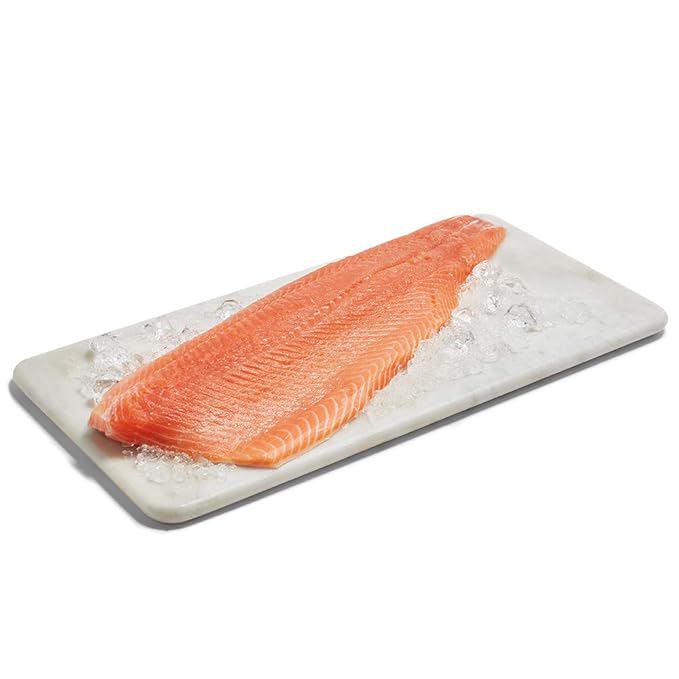
- Lean protein and fatty fish: Chicken, turkey, tofu, and especially salmon (rich in omega-3 fatty acids) support stable glucose metabolism and have their own anti-inflammatory benefits for the skin.
Common Pitfalls to Avoid
A few things can trip you up when you're trying to make this shift. One is the trap of “healthy” high-glycemic foods that seem virtuous. Dried dates, agave nectar, and even white rice cakes can spike blood sugar dramatically even though they are plant-based or low-fat. Another is skipping meals entirely, which can lead to a reactive blood sugar spike when you finally eat.
The goal is consistency. A steady, moderate supply of glucose throughout the day, rather than a series of peaks and crashes, is what keeps insulin levels low and your skin more stable.
When Food Changes Aren’t Enough
Dietary adjustments are a powerful adjunct, but cystic acne is complex. Hormonal imbalances, genetics, and chronic inflammation can all play a role that diet alone cannot override. If you’ve been consistent with a low-glycemic approach for two to three months and are not seeing improvement, that is a signal to look deeper. A dermatologist can help you explore factors like PCOS, oral medications (such as spironolactone or isotretinoin), or topical retinoids that address the root cause from a different angle.
Think of your diet as a foundational layer: it sets the stage for other treatments to work more effectively, and it helps prevent future breakouts in a way that no face wash can.