
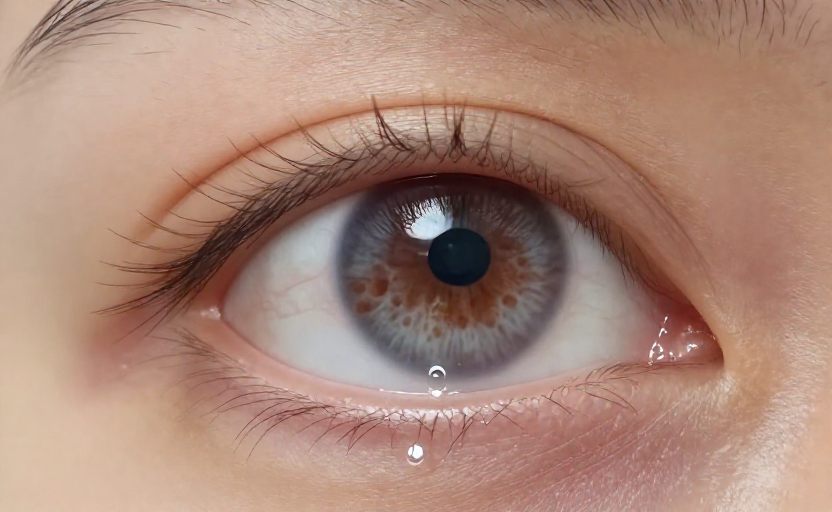
Waking up with slightly fuzzy vision might seem like a minor annoyance—a smudge on your glasses, a long day staring at a screen, or just allergies. But if you have diabetes, that fleeting blurriness can be something far more serious: it can be the first whisper of a condition that, left unchecked, steals sight. That condition is diabetic retinopathy.
Diabetic retinopathy is the leading cause of blindness among working-age adults in the United States. It doesn't happen overnight. It creeps in, often without pain, and one of its earliest recognizable signals is blurry or fluctuating vision. Understanding why this happens—and what two simple, expert-backed habits can do to stop it—is the difference between protecting your eyesight and losing it.
Why blurry vision signals trouble in the retina
The retina is the light-sensitive tissue at the back of your eye. It acts like the film in a camera, capturing images and sending them to your brain. For someone with diabetes, chronically high blood sugar damages the tiny blood vessels that nourish the retina. This damage happens in stages.
Initially, the vessels weaken and develop tiny bulges called microaneurysms that can leak fluid or blood. This leakage causes the retina to swell. When the center of the retina, called the macula, swells (a condition known as macular edema), your central vision becomes distorted or blurry. It's like trying to see through a puddle of water on a camera lens.
Blurry vision that comes and goes is often the first noticeable sign of non-proliferative diabetic retinopathy (NPDR), the early stage of the disease.
As the condition progresses, the blood vessels become blocked. The retina, starved of oxygen, sends out chemical signals to grow new, abnormal vessels. This is proliferative diabetic retinopathy (PDR). These fragile new vessels are leaky and prone to bleeding into the vitreous—the gel that fills your eye. A sudden shower of floaters, flashes of light, or a curtain-like shadow over your vision are advanced, urgent signs. But the blurriness that comes before that is your window of opportunity.
Habit #1: Master the annual dilated eye exam
Many people with diabetes rely on their primary care doctor to check a hemoglobin A1c or their blood pressure during routine visits. Those are critical. But they do not replace a dilated eye exam performed by an ophthalmologist or optometrist.
Here is why this specific habit matters: diabetic retinopathy has no symptoms in its earliest, most treatable stages. You cannot feel the microaneurysms forming. Your peripheral vision is intact. You might even be seeing 20/20 on a standard eye chart. A dilated eye exam is the only way to see the damage happening in the back of the eye. The doctor uses drops to widen your pupil, then uses a specialized lens to inspect the retina for any signs of leakage, swelling, or abnormal vessel growth.
The expert recommendation is clear: anyone with type 1 or type 2 diabetes should have a comprehensive dilated eye exam at least once a year. If you already show signs of retinopathy, your doctor may recommend more frequent visits. This is non-negotiable—a single annual appointment can catch issues months or years before they affect your vision.
Habit #2: Stabilize blood sugar with a consistent rhythm
The second habit is less about a medical appointment and more about daily glucose management. The simplest explanation is that blood sugar fluctuations cause the lens of your eye to swell. When glucose levels spike or plummet, the lens changes shape, altering its refractive power. This is why you might experience temporary blurry vision that clears up when your numbers return to normal. Over time, however, these swings accelerate blood vessel damage in the retina.
The DCCT (Diabetes Control and Complications Trial) and the UKPDS (United Kingdom Prospective Diabetes Study) both demonstrated that intensive blood sugar control can reduce the risk of diabetic retinopathy by a staggering 76 percent. The habit is not about achieving perfection; it is about consistency. Spikes and dips are more damaging than a slightly higher but stable average.
Practical moves for blood sugar stability
- Pair carbohydrates with protein or fat. Eating a piece of fruit alone can spike glucose. Pair it with nuts, cheese, or yogurt to slow digestion and blunt that spike.
- Move your body after meals. A 10- to 15-minute walk after the largest meal of the day helps muscles absorb glucose without requiring extra insulin.
- Hydrate with water. Dehydration concentrates blood glucose. Even mild dehydration can worsen blood sugar levels and directly affect the lens of the eye.
- Check your glucose at consistent times. Seeing patterns—such as a daily morning spike—allows you and your care team to adjust timing of food, medication, or activity.
This habit directly attacks the root cause. It reduces the fluid shifts in the lens and prevents the ongoing metabolic stress that damages retinal vessels.
When blurry vision demands immediate attention
Not all blurry vision related to diabetes waits for a scheduled appointment. Some situations warrant urgency. If you experience sudden vision loss, a shower of floaters (like a cobweb or specks), flashes of light in one or both eyes, or a dark curtain across your field of view, do not wait for a routine exam. These are signs of vitreous hemorrhage or retinal detachment, both of which require emergency treatment to prevent permanent blindness.
Similarly, if your blurry vision persists for more than a day or two despite stable blood sugars, call your eye doctor. Early treatment—whether laser therapy (photocoagulation), injections of anti-VEGF medication, or vitrectomy—has far better outcomes when administered before the damage is extensive.
Blurry vision is not a normal part of living with diabetes. It is a signal, and paying attention to it is a form of self-care. Adopting the habit of a yearly dilated eye exam and stabilizing your blood sugar rhythm are two of the most powerful steps you can take. They are not complicated, but they require intention. Your eyes are giving you a warning. Listen to them, and you can keep your vision sharp for decades to come.