
When you live with diabetes, your heart demands more than casual attention. The connection between blood sugar management and cardiovascular risk is well established, yet many people wonder how frequently they should actually check in on their heart health. The answer isn't a single number—it depends on your current health status, your diabetes duration, and what specific aspect of heart health you're monitoring. Understanding the difference between daily awareness and clinical screenings helps you build a realistic, effective monitoring routine.
Think of heart health monitoring as two distinct layers. There's the daily, at-home awareness you practice between doctor visits, and there are the periodic clinical tests that catch what home monitoring cannot. Both layers matter, and both have their own recommended frequencies. What follows is a practical breakdown of those timelines, grounded in current cardiology and endocrinology guidelines.
Why diabetes changes the monitoring timeline
Diabetes accelerates the development of atherosclerosis—the buildup of plaque in your arteries—often without obvious symptoms until a cardiac event occurs. Elevated blood glucose damages blood vessel linings over time, and this process can begin years before any chest pain or shortness of breath appears. This is why standard heart health screening schedules for the general population are not aggressive enough for someone with diabetes.
The American Diabetes Association (ADA) recommends that adults with diabetes undergo a baseline cardiovascular risk assessment at the time of diagnosis, with formal reassessment at least annually. But “cardiovascular risk assessment” is a broad term. It includes blood pressure readings, lipid panels, and often a calculation of your 10-year risk for a heart attack or stroke. Your doctor uses this annual snapshot to decide if you need more frequent testing or earlier interventions.
Blood pressure: the weekly check most people skip
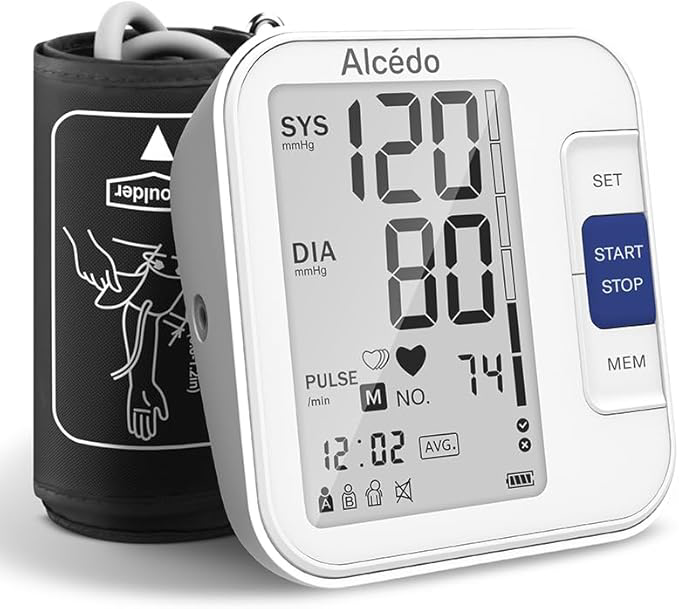
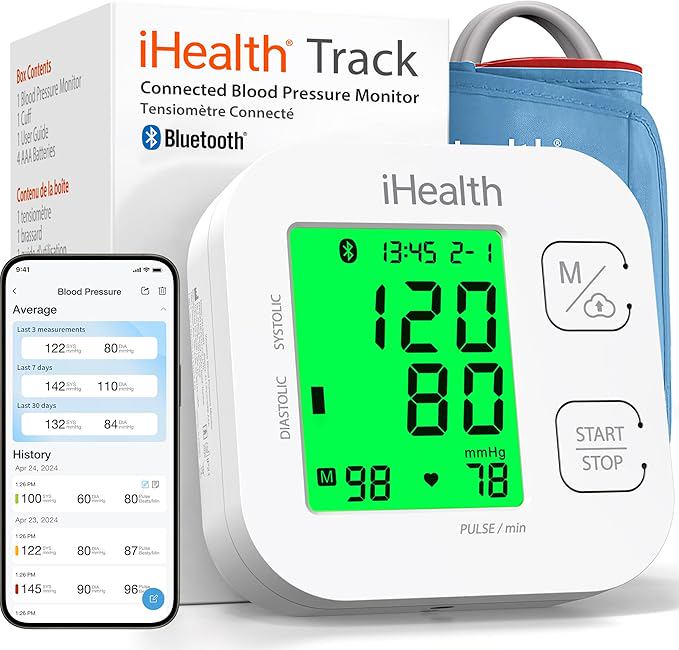
Hypertension is one of the most common co-conditions with diabetes, and it often has no symptoms. The ADA recommends a blood pressure check at every routine clinical visit, but the real value comes from home monitoring. If you have diabetes and your blood pressure is well controlled—generally below 130/80 mmHg—checking it at home two to three times per week is reasonable. If your numbers are elevated or your medication has recently changed, daily checks become more appropriate.
Home blood pressure monitors are affordable and widely available. The key is consistency: take readings at the same time of day, after sitting quietly for five minutes, with your arm supported at heart level. Record the numbers in a log or an app so your care team can see trends, not just isolated readings.
One elevated reading is a data point, not a diagnosis. Look for patterns over several days and share those patterns with your provider.
Lipid panels: not every month, but don't skip the annual
A full lipid profile—total cholesterol, LDL, HDL, and triglycerides—should be checked at least once a year in adults with diabetes. However, if you are already on statin therapy, your doctor may want to check it more frequently after a dose change to confirm the medication is working. In stable patients, an annual lipid panel is sufficient, provided your other risk markers are in good range.
Recent research has highlighted that non-HDL cholesterol and apolipoprotein B may be better predictors of cardiovascular risk in people with diabetes than traditional LDL alone. If your doctor offers an advanced lipid panel every one to two years, it can provide a more detailed picture of your risk. This is not yet a universal standard, but it is becoming more common in high-risk practices.
Electrocardiogram (EKG): the baseline and follow-up
A resting 12-lead EKG is a simple, noninvasive test that records the electrical activity of your heart. It can detect prior heart attacks, arrhythmias, and certain structural changes. The ADA suggests a baseline EKG at the time of diabetes diagnosis for anyone with additional risk factors—such as high blood pressure, smoking history, or known vascular disease. For those with no symptoms and low calculated risk, a routine EKG every one to three years may be sufficient.
If you experience new symptoms like palpitations, unexplained shortness of breath, or chest discomfort, an EKG should be performed immediately, regardless of when your last one was. Symptoms always trump schedules.
Stress testing: when symptoms or risk factors demand it
An exercise stress test—or a pharmacologic stress test if you cannot exercise—is not a routine screening test for every person with diabetes. The ADA recommends it for patients who have symptoms suggestive of coronary artery disease, such as chest pain or pressure with exertion. It may also be considered for asymptomatic patients who have a high calculated 10-year risk and who are starting a vigorous exercise program.
There is ongoing debate about whether routine stress testing in asymptomatic people with diabetes improves outcomes. Current evidence suggests it does not, unless there are specific warning signs. Your doctor will use your annual risk assessment to decide if a stress test is warranted. Do not request one without discussing it first; false positives can lead to unnecessary procedures and anxiety.
Hemoglobin A1C: your indirect heart health marker
While A1C is primarily a measure of your average blood sugar over the past two to three months, it is also a powerful indicator of heart disease risk. The higher your A1C, the faster arterial damage tends to progress. Most people with well-controlled diabetes should have an A1C test at least twice per year. If your treatment has changed or your numbers are running high, every three months is standard.
Think of your A1C as telling you whether your daily heart protection efforts—diet, exercise, medication adherence—are actually working at the metabolic level. When your A1C is in target range, your blood vessels are likely facing less daily assault.
Ankle-brachial index: an underused test for circulation
The ankle-brachial index (ABI) compares blood pressure in your ankle to that in your arm. It screens for peripheral artery disease (PAD), which is common in diabetes and strongly linked to heart attack and stroke risk. The ADA suggests an ABI test at diagnosis for anyone with diabetes who is over 50, and then a repeat test every one to two years if the initial result is normal. If you have leg pain with walking or nonhealing foot ulcers, an ABI should be done sooner.
PAD is frequently underdiagnosed because many people assume leg discomfort is just aging or muscle strain. An ABI adds roughly 10 minutes to a clinic visit and can catch vascular trouble years before a cardiac event.
Daily self-monitoring that protects your heart
Beyond clinical tests, your daily habits are a form of heart health surveillance. Weigh yourself at the same time each morning—sudden weight gain of 2–3 pounds in a day can signal fluid retention, which may indicate worsening heart function. Track your energy levels during routine activities. If climbing a flight of stairs leaves you more winded than it did a month ago, that is worth reporting to your doctor.
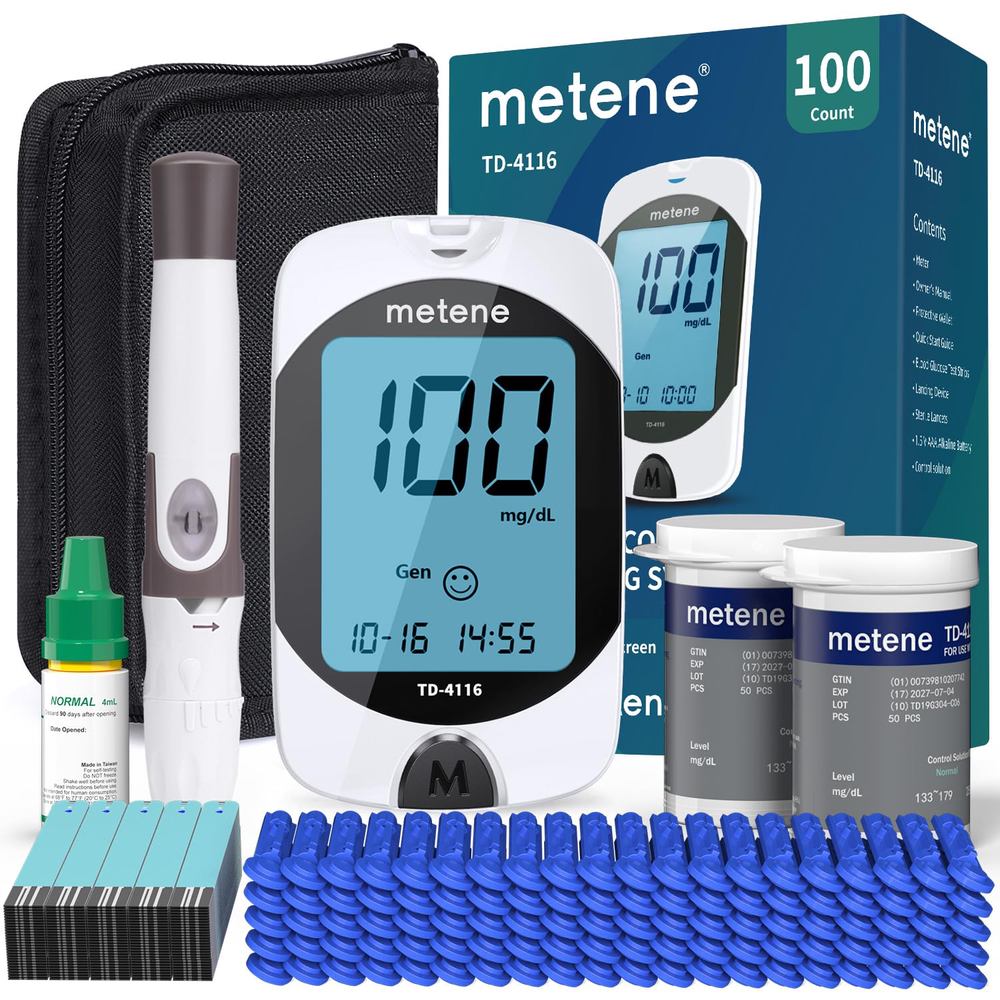
Blood glucose monitoring itself is heart monitoring. Consistent high blood sugars, especially post-meal spikes, are injuring your vessels in real time. Use your glucose readings as motivation to prioritize heart-protective behaviors—walking after meals, choosing unsaturated fats over saturated ones, and keeping sodium intake under 2,300 milligrams per day.
When to check in with your care team more often
Certain situations call for more frequent heart health evaluations, not less. If you have already been diagnosed with coronary artery disease, had a heart attack, or undergone a bypass or stent procedure, you are in a higher-risk category. In those cases, cardiology follow-ups every three to six months are standard, along with periodic imaging such as echocardiograms or nuclear stress tests as determined by your cardiologist.
Similarly, if your diabetes is complicated by kidney disease (nephropathy) or nerve damage (neuropathy), your cardiovascular monitoring should intensify. Kidney disease and heart disease feed each other in a dangerous loop. Your nephrologist and cardiologist should coordinate care, and your monitoring schedule will reflect that combined risk.
The bottom line is this: for most adults with diabetes who are symptom-free and well-managed, an annual comprehensive risk assessment plus home blood pressure monitoring a few times per week provides solid coverage. But that “well-managed” part is key. If your numbers are drifting, your symptoms are new, or your medication regimen has changed, do not wait for the next annual appointment. Call your care team.
Heart health with diabetes is not a test you take once and forget. It is an ongoing conversation between you and your body—one that deserves regular check-ins, not just when something feels wrong.