
Managing diabetes means paying close attention to what's on your plate. But when you also have heart health in mind, the stakes get even higher. The good news is that the same foods that help stabilize blood sugar are often the ones that support your cardiovascular system. Here are four foods to eat for a healthier heart when managing diabetes, backed by solid nutrition science and real-world practicality.
Fatty Fish: Why Omega-3s Matter for Your Heart and Blood Sugar
Fatty fish like salmon, mackerel, sardines, and trout are some of the best foods you can choose. They are rich in omega-3 fatty acids (EPA and DHA), which have been shown to reduce inflammation, lower triglycerides, and slightly lower blood pressure. For someone with diabetes, these benefits are critical because diabetes is a pro-inflammatory condition that increases cardiovascular risk.
Aim for two servings of fatty fish per week. Baking or grilling works well; avoid breaded or fried versions. The protein in fish also helps with satiety, meaning you'll feel full longer and may be less tempted by high-carb snacks later. If you don't eat fish, talk to your doctor about an algae-based omega-3 supplement, but whole food sources are always preferred for their full nutrient package.
Leafy Greens: The Unsung Heroes of a Diabetes-Friendly Plate
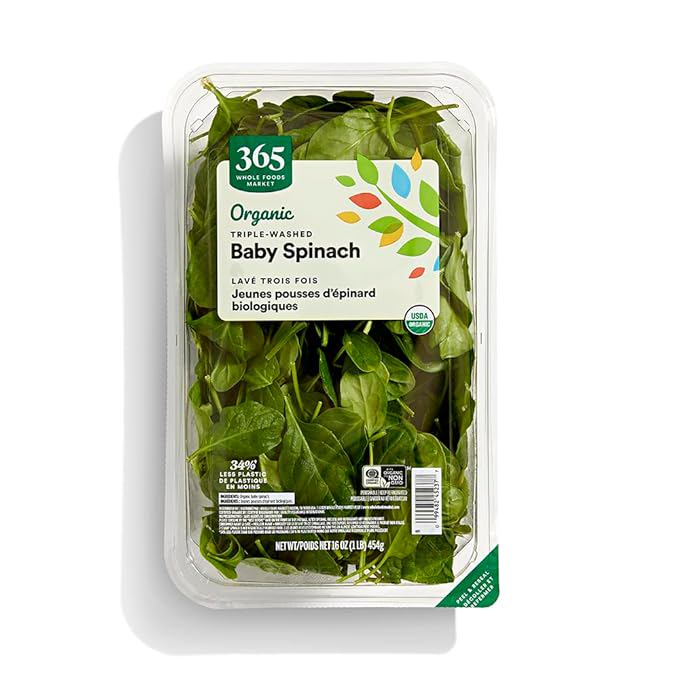
Spinach, kale, Swiss chard, and collard greens are incredibly low in carbohydrates and calories but packed with fiber, vitamins K and A, magnesium, and antioxidants. The high fiber content slows digestion, which helps prevent rapid spikes in blood sugar after meals. Leafy greens also contain nitrates that can improve blood vessel function and lower blood pressure.
It's easy to add a handful of spinach to a smoothie, or sauté kale with garlic and olive oil as a side dish. Because they are so low in net carbs, you can eat a generous portion without worrying about your glucose levels. The magnesium in leafy greens is also a bonus—many people with diabetes have low magnesium levels, which is linked to insulin resistance.
Nuts and Seeds: Small Packages with Big Heart Benefits
Almonds, walnuts, chia seeds, flaxseeds, and pumpkin seeds are nutrient-dense powerhouses. They provide healthy monounsaturated and polyunsaturated fats, fiber, and plant sterols that can help lower LDL (the "bad" cholesterol). Walnuts, in particular, are rich in alpha-linolenic acid (ALA), a plant-based omega-3.
The protein and fat in nuts help stabilize blood sugar by slowing the absorption of carbohydrates from other foods you eat with them. A handful of almonds with an apple, or a tablespoon of chia seeds stirred into yogurt, makes a balanced snack. Just watch portions—nuts are calorie-dense. A standard serving is about one ounce (a small handful) or two tablespoons of seeds. Choose unsalted or lightly salted varieties to keep sodium in check.
Berries: Sweet Satisfaction Without the Sugar Spike
Strawberries, blueberries, raspberries, and blackberries are among the few fruits that won't send your blood sugar soaring. They are packed with anthocyanins—powerful antioxidants that give berries their deep colors. Studies suggest that regular berry consumption can improve insulin sensitivity and reduce markers of cardiovascular disease like LDL oxidation and high blood pressure.
Berries are also high in fiber: one cup of raspberries provides about 8 grams of fiber. Because they are naturally low on the glycemic index, you can enjoy them without guilt. Pair them with plain Greek yogurt or cottage cheese for a satisfying dessert or breakfast that keeps your heart and blood sugar stable. Frozen berries work just as well as fresh—they are picked at peak ripeness and often more affordable.
Tip: A simple swap is replacing sugary jam or syrup on oatmeal with a handful of fresh or frozen berries. It cuts a significant amount of added sugar while adding fiber and antioxidants.
Building a heart-healthy diet when managing diabetes doesn't require drastic changes. Start by incorporating one serving of fatty fish, a generous handful of leafy greens, a small portion of nuts or seeds, and a cup of berries into your weekly routine. These four foods form a solid foundation that supports both glycemic control and cardiovascular health.