
Managing diabetes often feels like a puzzle where every piece matters—meals, movement, sleep, stress, and, of course, medication. So when someone with type 2 diabetes starts skipping doses of their diabetes medication, it might look like simple forgetfulness or a minor slip. But two registered dietitians who work daily with diabetes patients say that this behavior almost always points to something deeper that deserves attention, not judgment.
Whether the medication is metformin, a GLP-1 receptor agonist, SGLT2 inhibitor, or insulin, missing it can send blood glucose levels into an unpredictable pattern. But the real problem is usually not a casual oops—it’s a sign the current plan is not working for the individual in some fundamental way.
What skipping a dose tells you, besides a high blood sugar reading
Dietitians specializing in diabetes care see skipping doses as a red flag that warrants a compassionate, curious conversation. “I’ve never had a patient skip medication for no reason,” says one clinical dietitian who works in diabetes education. “There is always a why.”
The most common root causes fall into a few overlapping categories:
- Side effects that feel worse than the condition. Nausea, bloating, diarrhea, or GI distress from oral medications like metformin can make someone dread pill time. If the remedy feels more frustrating than the disease, skipping becomes a way to reclaim comfort.
- Fear of needles or injection anxiety. For someone on once-weekly injectable medications, the barrier isn’t the drug—it’s the needle. Anxiety about proper technique, pain at injection sites, or social embarrassment can pile up into avoidance.
- Cost, access, or pharmacy hurdles. A dose might be skipped simply because the prescription ran out, insurance changed, or the co-pay became unaffordable. This is more common than many realize and is rarely disclosed unless the person feels safe talking about money.
- Confusion about instructions. When a medication needs to be taken with food, at a specific time of day, or only when eating above a certain carbohydrate threshold, the complexity can lead to well-intentioned mistakes that look like intentional skipping.
- Emotional burnout. Diabetes requires daily decisions. After years of monitoring, dosing, and calculating, some people simply reach a point where they need a break from the constant vigilance. Skipping a dose can be a quiet signal of exhaustion.
“When someone skips a dose, I don’t start with a lecture about hemoglobin A1c,” the dietitian adds. “I start with, ‘Tell me what happened that day.’ That one question opens up the real story.”
How skipping medication affects diabetes management
From a physiological perspective, missing a dose of antihyperglycemic medication has immediate effects. For someone whose pancreas is producing little insulin or whose cells are highly resistant to it, skipping even one dose of a primary medication can raise fasting and post-meal glucose notably. Over time, sporadic dosing leads to roller-coaster blood sugars that are harder to stabilize than consistently higher numbers.
For those on insulin, missed doses carry the added risk of diabetic ketoacidosis, a serious metabolic emergency. For people on sulfonylureas, skipping can also create confusion about hypoglycemia risk—missing a dose lowers the chance of a low blood sugar but also removes protection against high readings later.
Beyond the numbers, the habit of skipping doses often erodes trust between the patient and the healthcare team. When blood glucose logs don’t match medication adherence, it becomes harder for dietitians and doctors to tailor recommendations meaningfully.
What dietitians actually do when they hear “I skipped a dose”
Instead of scolding, the approach is to problem-solve collaboratively. Here is what a dietitian might do after you admit to skipping a dose:
- Validate the experience. Acknowledging that diabetes management is hard—and that side effects or life stressors are real—builds the trust needed to explore solutions.
- Identify the specific barrier. Is the dose skipped because of stomach upset, forgetting midday doses, or fear of weight gain from a particular medication? Each cause has a different fix.
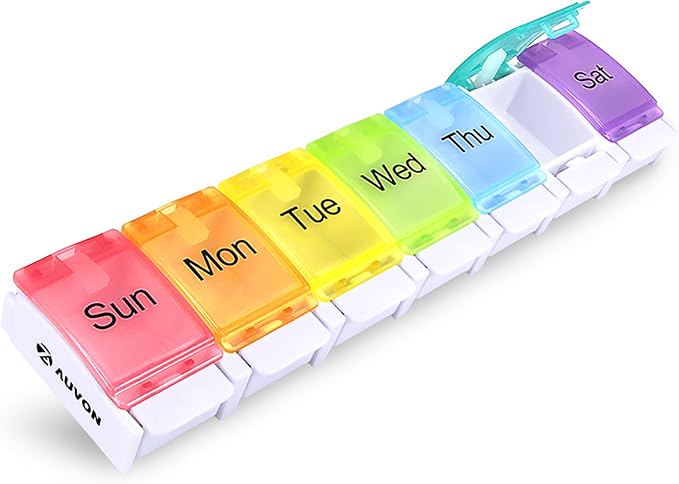
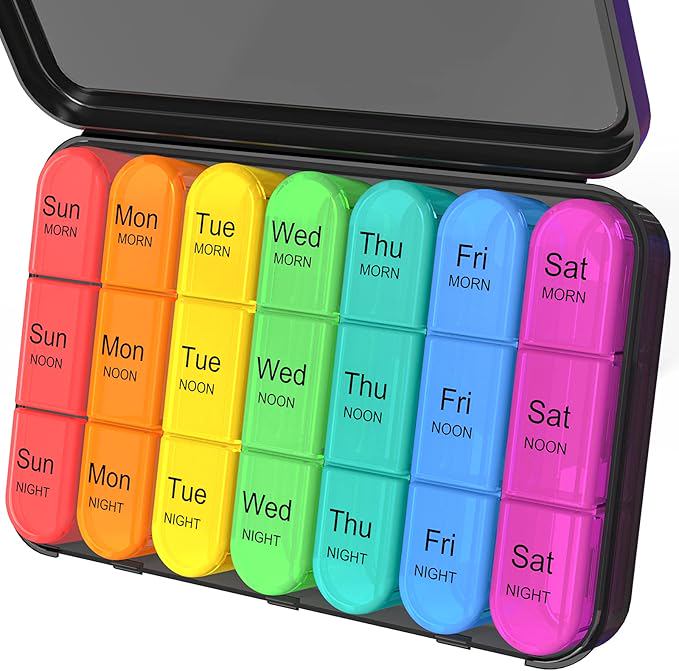
- Coach a practical modification. This might mean taking a slow-release version of the medication, timing the dose with the largest meal, switching to a different class of drug, or using a pillbox and phone alarm. For injectable medications, a session with a diabetes educator on injection technique can relieve anxiety.
- Address the emotional load. Sometimes the solution is not a different medication but a mental health referral, support group, or counseling to manage diabetes distress. Burnout needs to be treated, not ignored.
- Realign the treatment plan. If a current medication regimen causes persistent side effects that are not manageable with simple changes, a dietitian will often recommend a call to the prescriber to explore alternatives. No one should suffer in silence with a medication they hate.
Food and medication: how eating patterns interact with dosing
For dietitians, skipping a dose also flags potential changes in eating behavior. If a person is skipping medication because they are eating less or having irregular meals—common during illness, travel, or stress—the interplay between food and drug timing becomes central. Some diabetes medications work best when taken before a meal containing carbohydrates. If someone is skipping meals, they may rationally decide to skip the corresponding dose, but that can backfire if the medication has a long duration of action.
The dietitian’s role is to help match food intake with the medication profile. This might include adjusting the timing of doses relative to meals, ensuring that lower-carb meals still provide enough nutrients, or planning ahead for days when appetite is low.
When skipping a dose signals a need for a medication change
Occasional missed doses that follow a clear pattern—like skipping the same evening dose on multiple nights—should prompt a real conversation with the prescribing clinician. The dietitian’s observation that a patient consistently avoids one specific medication often leads to a change that improves both adherence and quality of life.
Common changes include switching from immediate-release metformin to an extended-release version (which is gentler on the stomach), moving from a daily to a weekly injectable, or adding a medication that targets weight or cardiovascular benefit to increase the perceived reward of taking it.
“If a medication is making someone miserable and feeling sick all day, that is not a patient problem—it is a treatment plan problem,” the second dietitian explains. “Skipping is the body’s way of saying something needs to shift.”
What you can do if you are the one skipping doses
If you recognize yourself in this article, start with self-compassion. Diabetes is one of the most demanding chronic conditions to manage, and no one does it perfectly. The next step is to talk to your healthcare team honestly. Dietitians, diabetes educators, and doctors are not there to judge; they are there to help you find a plan that fits your actual life.
Write down a few notes before your next appointment: Which dose do you skip most often? What happens on the days you miss it—how do you feel? Are there side effects or worries you have not mentioned? That information is gold for a clinician trying to help you.
Finally, remember that the goal is not perfection. It is consistency you can live with. A regimen that feels sustainable is one you will actually follow. And that starts with telling the truth about what is happening now—including the doses you skip.