Menstrual cramps are a common, if unwelcome, part of the cycle for many. That familiar ache in your lower abdomen or back is often manageable with a heating pad, some gentle movement, or over-the-counter relief. But for some, the pain isn't just an annoyance—it's a debilitating force that disrupts life. Knowing the difference between typical discomfort and a sign of something more serious is crucial for your health and well-being.
This isn't about minimizing normal period pain. It's about understanding your body's signals. When does pain cross the line from a monthly challenge to a red flag? The key lies in paying attention to the pain's intensity, its pattern, and the other symptoms that accompany it.
What does "severe" menstrual pain actually feel like?
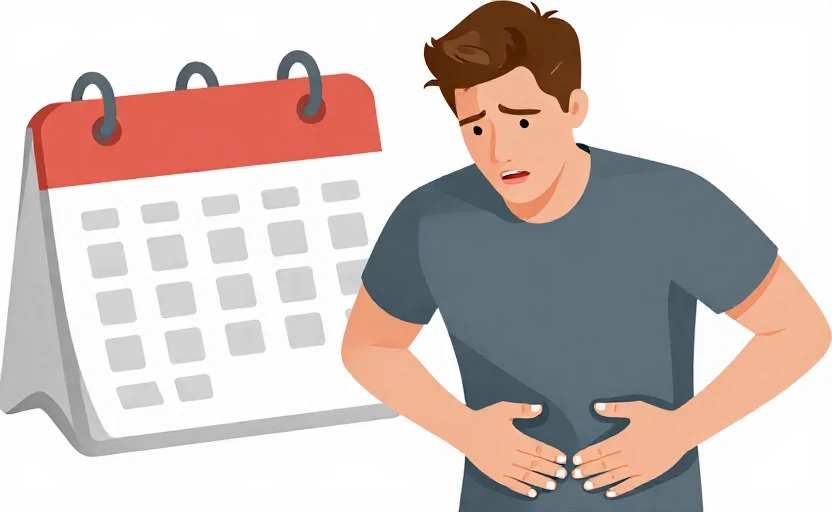
Severe dysmenorrhea—the medical term for painful periods—is more than just a "bad cramp." It's pain that significantly interferes with your daily activities. Think about the last time your period arrived. Could you go to work, attend class, or socialize with friends? Or were you curled up in bed, unable to focus on anything but the pain?
This level of pain often feels like intense, gripping, or stabbing cramps in the pelvis or lower back. It may come in waves that take your breath away. For some, it's a constant, heavy pressure. The critical distinction is its impact: if you're regularly missing days of school, work, or life because of period pain, it's considered severe.
Key red flags to watch for
While pain alone is a significant indicator, certain accompanying symptoms should prompt a conversation with a healthcare provider. These signs suggest your pain may be secondary dysmenorrhea, meaning it's caused by an underlying condition, rather than the primary muscle contractions of your uterus.
Pain that starts more than a day or two before your period and continues after your flow has ended is a common warning sign. Typical cramps usually peak in the first 24-48 hours of bleeding.
New or worsening pain is another signal. If your periods were manageable in your teens and twenties but have become progressively more painful in your 30s or 40s, it's worth investigating.
Be especially mindful if your severe pain is paired with any of the following:
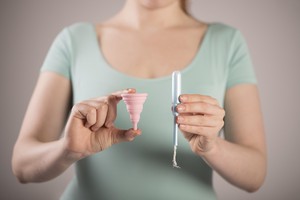
- Heavy bleeding that soaks through a pad or tampon in an hour or less for several consecutive hours.
- Passing large blood clots (larger than a quarter).
- Pain during intercourse, not just during your period.
- Pain with bowel movements or urination around your period.
- Nausea, vomiting, or dizziness so severe you can't keep fluids down.
- Pain that isn't relieved by standard over-the-counter NSAIDs like ibuprofen or naproxen.
Listen to your body's pattern. A change from your personal norm—in timing, intensity, or accompanying symptoms—is one of the most important clues something may be different.
What could be causing severe pain?
When pain is this disruptive, it's often the body's way of pointing to an underlying condition. A gynecologist can help diagnose the cause. Some of the most common conditions linked to severe menstrual pain include:
Endometriosis: This occurs when tissue similar to the uterine lining grows outside the uterus, on organs like the ovaries, fallopian tubes, or bladder. This tissue bleeds each month, causing inflammation, scarring, and intense pain. The pain of endometriosis may begin before your period and last throughout.
Adenomyosis: Here, that same type of tissue grows into the muscular wall of the uterus itself. This can cause an enlarged, tender uterus and extremely heavy, painful periods with a feeling of intense pressure.
Uterine Fibroids: These are non-cancerous growths in or on the uterine wall. Depending on their size and location, they can cause crushing cramps, heavy bleeding, and a feeling of fullness in the pelvis.
Pelvic Inflammatory Disease (PID): Often caused by an untreated sexually transmitted infection, PID leads to scarring and inflammation of the reproductive organs, which can result in chronic pelvic pain that worsens during menstruation.
How to prepare for a doctor's visit
Taking the step to talk to a doctor can feel daunting, but being prepared can make the conversation more productive. Your goal is to provide a clear picture of your experience.
For one to two cycles before your appointment, consider keeping a simple symptom journal. Note the days of your period, the days you experience pain (rating it on a scale of 1-10), what symptoms you have (nausea, diarrhea, etc.), and how many pads or tampons you use in a day. This concrete data is more powerful than saying "my periods are bad."
Write down your questions beforehand so you don't forget them. Key questions might include:
- "Based on my symptoms, what are the possible causes?"
- "What tests might be needed to get a diagnosis?" (These could include a pelvic ultrasound, MRI, or sometimes laparoscopy).
- "What are all my treatment options, from lifestyle and medication to potential procedures?"
Remember, you are the expert on your own body. If you feel your concerns are being dismissed as "normal" period pain and you know this pain is not normal for you, it is perfectly reasonable to seek a second opinion. A healthcare provider who specializes in menstrual disorders or pelvic pain can be an invaluable partner.
Severe menstrual pain is not a badge of endurance you need to wear. It is a valid medical symptom deserving of attention and care. By recognizing the red flags and advocating for yourself with a healthcare provider, you can move from simply managing pain to understanding its source and finding an effective path toward relief.