When stress throws your menstrual cycle off track—whether it's late, heavy, or accompanied by worse PMS than usual—it's easy to feel out of control. But what you eat can make a real difference. Below, two expert-backed meal strategies to help bring your cycle back into balance.
Why stress hits your cycle so hard
Your brain and ovaries are in constant conversation. When you're under chronic stress, your body ramps up cortisol production, which can suppress the hormones that regulate ovulation. The result? Shorter cycles, longer cycles, missed periods, or more painful ones. It's not in your head—it's biology.
Research shows that women with higher stress levels are up to twice as likely to experience short cycles (under 24 days) or long cycles (over 35 days).
Meal tip 1: Prioritize protein at breakfast
Starting your day with a solid source of protein—think eggs, Greek yogurt, tofu, or a quality protein shake—helps stabilize blood sugar. Blood sugar swings trigger more cortisol, which worsens cycle disruption. A balanced breakfast also supports the adrenal glands, which work overtime when you're stressed.
Aim for at least 20 grams of protein within an hour of waking. Pair it with healthy fat (avocado, nuts) and fiber (berries, oats) for sustained energy and fewer cravings later in the day.
Examples of cycle-supporting breakfasts:
- Scrambled eggs with spinach and half an avocado
- Greek yogurt bowl with walnuts, chia seeds, and raspberries
- Tofu scramble with peppers and a side of whole-grain toast
Meal tip 2: Add magnesium-rich foods to dinner
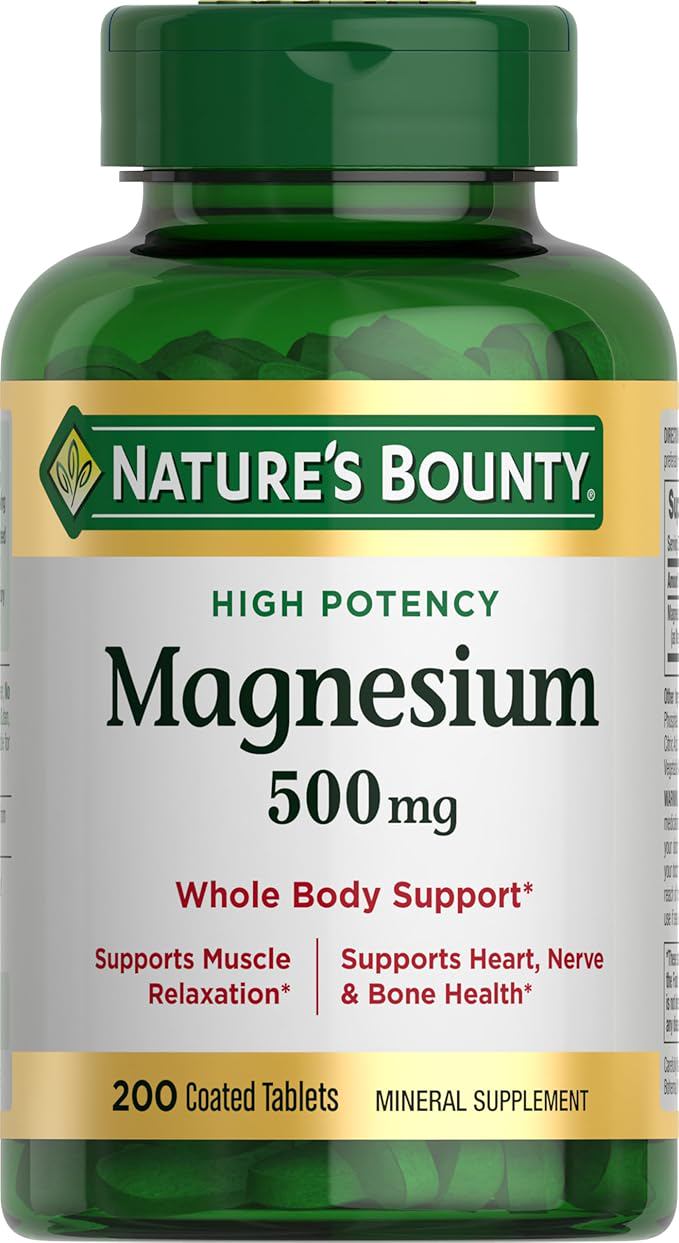
Magnesium is often called the relaxation mineral—and for good reason. It helps calm the nervous system, reduces muscle cramping, and can ease PMS symptoms like bloating and irritability. Stress depletes magnesium, so replenishing it is key.
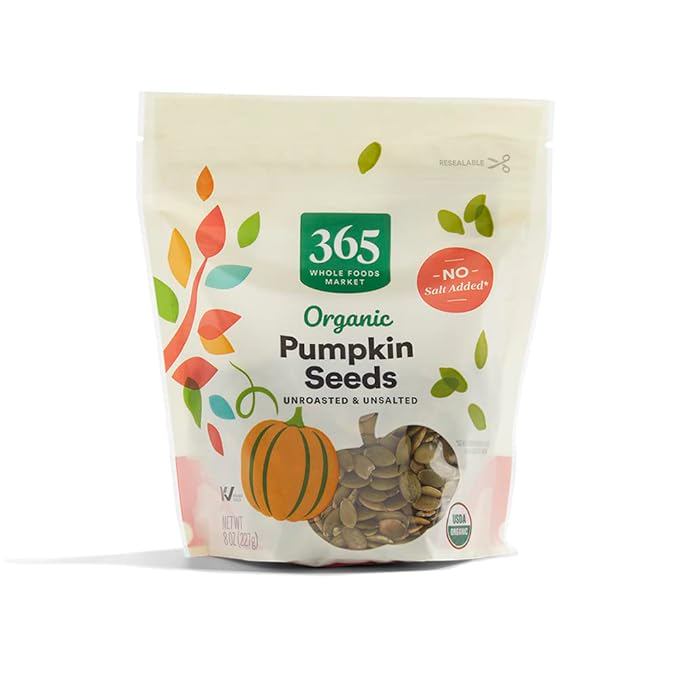
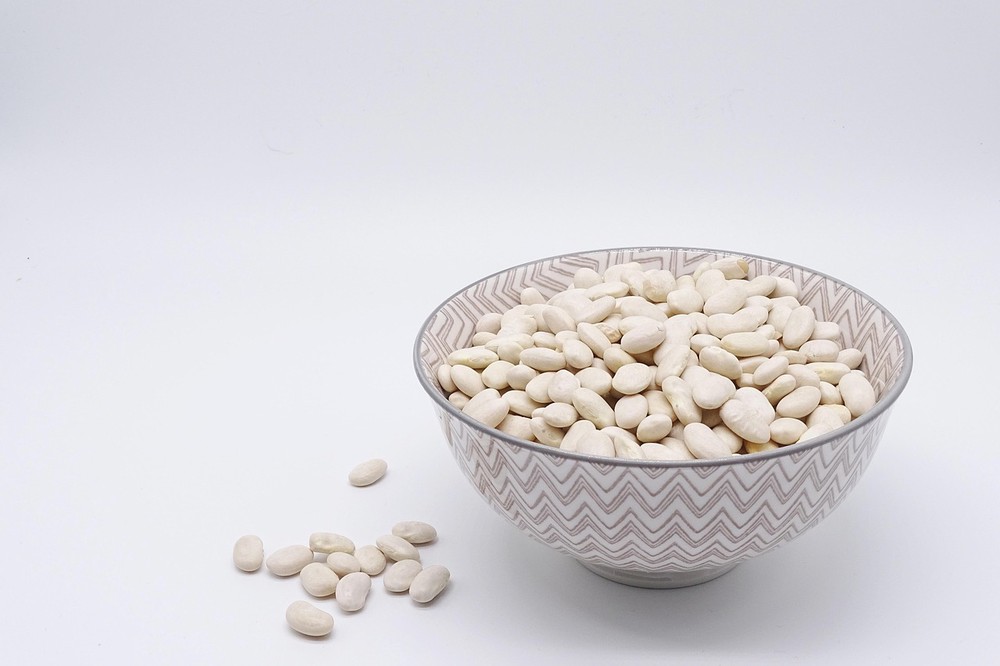
Dark leafy greens (spinach, kale), pumpkin seeds, almonds, black beans, and dark chocolate are excellent sources. Try a dinner built around a big salad with leafy greens, roasted pumpkin seeds, and a piece of salmon. Salmon also provides omega-3 fatty acids, which lower inflammation and support mood stability.
One cup of cooked spinach contains about 157 mg of magnesium—roughly 40% of the daily recommended intake for women.
Beyond meals: simple daily habits that help
Diet alone won't fix a disrupted cycle if other stress factors remain unchecked. A few additional moves can reinforce the benefits of those two meal strategies:
- Move gently. A 20-minute walk or yoga session lowers cortisol without adding strain.
- Sleep consistently. Going to bed and waking at the same time helps regulate hormone production.
- Stay hydrated. Dehydration increases cortisol and can worsen cramping and fatigue.
If your cycle remains irregular for several months, or if you experience severe pain, heavy bleeding, or spotting between periods, consult a healthcare provider. These tips are supportive tools, not replacements for medical advice.
Small, consistent changes to what you eat—especially at breakfast and dinner—can help your body cope with stress and restore a more predictable, comfortable cycle. Start with one meal today, and give it a few weeks to take effect.