If you've ever noticed your period cramps feel worse during a particularly stressful month, you're not imagining it. Stress and diet are closely linked, and when both are off balance, menstrual pain often follows. Many women experience more intense cramps when they're under pressure—and three common diet mistakes, driven by stress, could be the reason.
We asked experts to break down the daily food choices that may be making period pain harder to manage, and what to reach for instead.
Why Stress Makes Cramps Worse
When you're stressed, your body produces more cortisol. Elevated cortisol can disrupt the balance of reproductive hormones, leading to more intense uterine contractions and increased pain sensitivity. At the same time, stress often changes what you eat—and that combination can turn manageable cramps into something much harder to handle.
The cycle is real: stress alters your food choices, and those choices can increase inflammation and muscle tension, which then makes cramps worse—creating even more stress.
Mistake #1: Relying on Caffeine for Energy
When you're running on low sleep and high anxiety, a coffee or energy drink can feel like a lifeline. But caffeine constricts blood vessels and can increase muscle tension. For someone prone to menstrual cramps, that extra tension in the pelvic region can make contractions sharper and longer.
Caffeine also interferes with sleep quality, which further raises cortisol levels. Instead of reaching for a second cup, try a warm caffeine-free tea like chamomile or ginger; both have mild anti-inflammatory properties that may help relax the uterus.
Mistake #2: Skipping Meals or Eating Erratically
Stress can suppress appetite for some people, while others forget to eat because they're busy. Skipping meals—especially breakfast or lunch—causes blood sugar to drop and then spike when you finally eat. These swings in glucose can trigger the release of stress hormones and increase inflammation throughout the body.
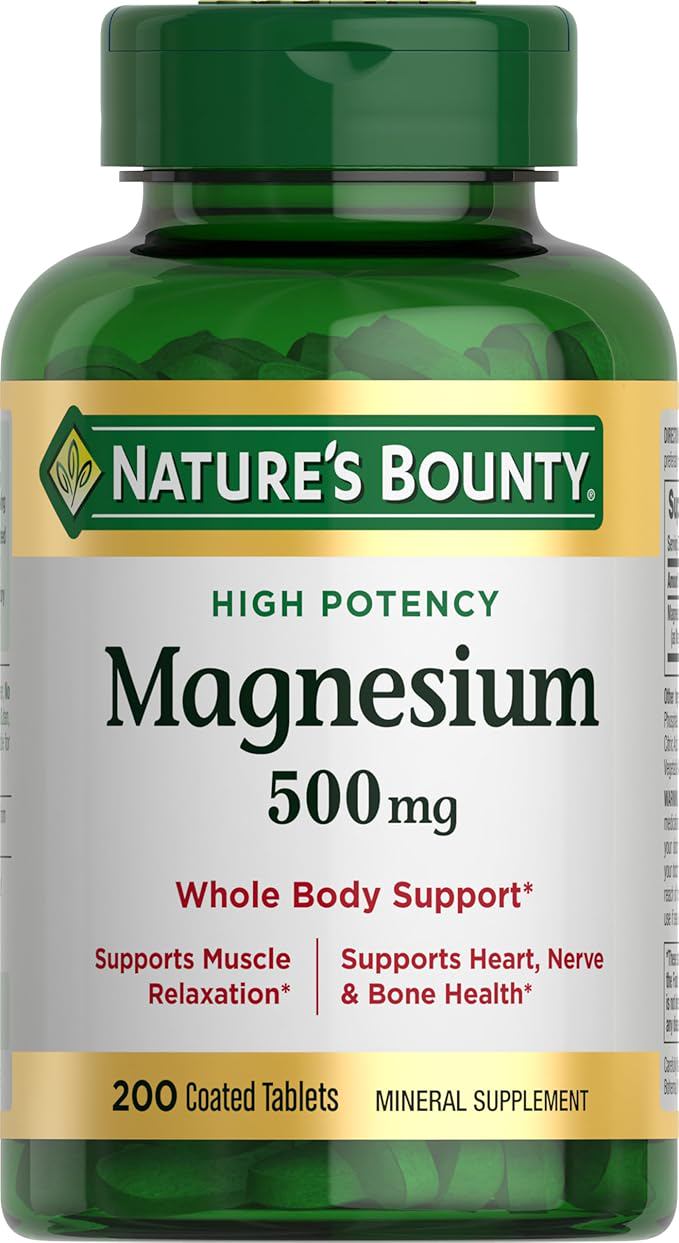
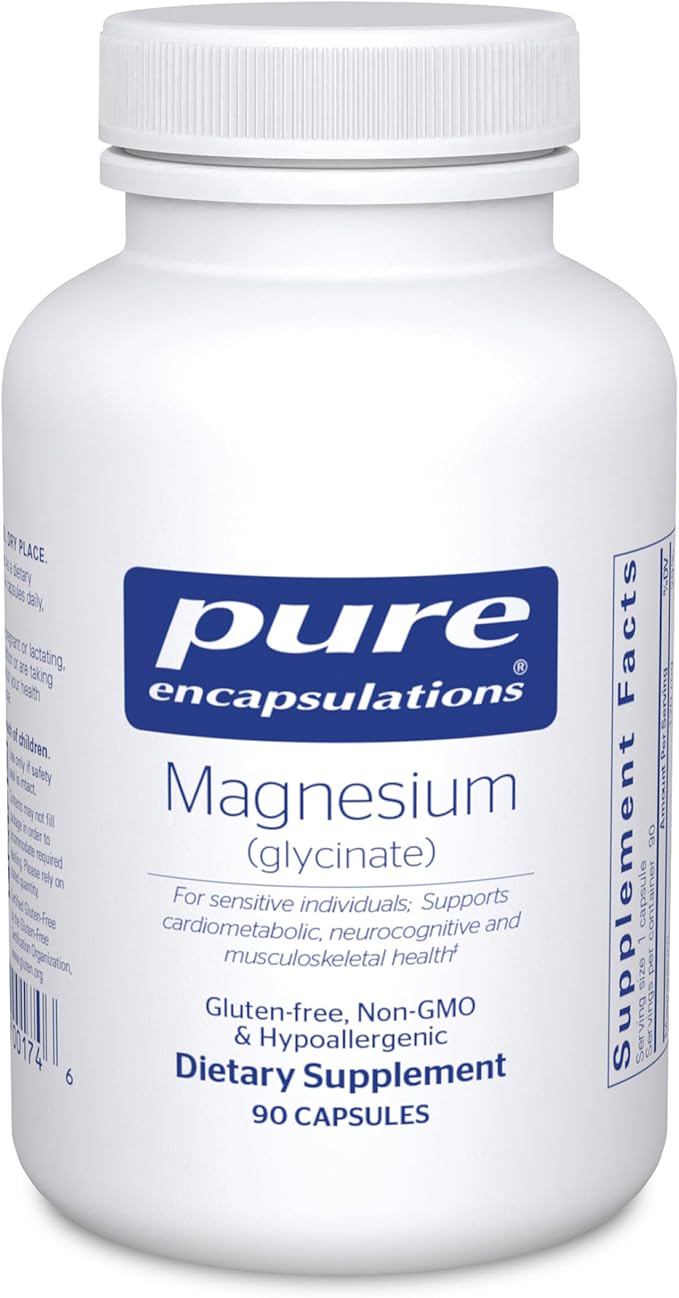
Inconsistent eating also depletes magnesium, a mineral crucial for muscle relaxation. Low magnesium levels are linked to more severe cramps. A simple fix: aim for three balanced meals with protein, fiber, and healthy fats, and keep a small snack handy (like a handful of almonds or an apple with nut butter) to avoid long gaps.
Mistake #3: Overloading on Salty and Processed Foods
It's common to crave salty, crunchy snacks when you're wound up—think chips, pretzels, and fast food. But a high-sodium diet encourages water retention, which can increase bloating and abdominal discomfort during your period. Some processed foods also contain additives that promote inflammation.
Your body holds onto more fluid when sodium intake is high, and that extra pressure in the abdominal cavity can make cramps feel more intense. Swapping out one salty snack for a piece of fruit or a small serving of dark chocolate (which is rich in magnesium) can satisfy the craving without adding to the discomfort.
What to Eat Instead for Easier Periods
Focusing on anti-inflammatory, magnesium-rich, and hydrating foods can make a real difference. Consider adding these to your routine in the days leading up to your period:
- Leafy greens like spinach and kale for magnesium and iron
- Fatty fish such as salmon or sardines for omega-3s, which reduce inflammation
- Bananas for potassium, which helps counteract bloating
- Whole grains like oats or quinoa for steady blood sugar
- Water and herbal teas to stay hydrated and reduce water retention
When Period Pain Is Not Normal
While diet and stress can influence cramps, severe or debilitating pain is not something to push through. If your cramps regularly keep you from work, school, or daily activities, it may be worth checking in with a gynecologist. Conditions like endometriosis, uterine fibroids, or pelvic inflammatory disease can cause intense pain that requires specific treatment.
Track your symptoms for a few cycles—note pain level, flow, and any other symptoms like nausea or dizziness—so you can give your doctor clear information.
Small changes in what you eat during stressful times may not eliminate cramps entirely, but they can take the edge off. And when you combine smarter food choices with stress-management techniques like deep breathing or gentle movement, you might find that your next period feels noticeably more manageable.