We often think of heart health as something we manage alone—tracking our steps, reading nutrition labels, and making solo choices at the grocery store. But the truth is, some of the most powerful habits for your cardiovascular system happen around a table with other people. Social connection itself is a known protective factor for heart health, and when you combine it with the right foods, you create a double benefit.
We spoke with registered dietitians to find out what they actually order (and cook) when they want to eat for their heart while sharing a meal with friends. The goal isn't a restrictive menu—it's about choosing dishes that support your arteries and your relationships at the same time.
Why communal eating matters for your heart
Before we get to the specific foods, it's worth understanding why how you eat with friends matters as much as what you eat. Research suggests that people who regularly eat with others tend to have lower stress levels and better dietary patterns overall. The act of sharing a meal slows you down, encourages mindful eating, and often leads to more balanced portions than eating alone in front of a screen.
Dietitians point out that the social context can also reduce the emotional eating that sometimes happens in isolation. When you're engaged in good conversation, you're less likely to mindlessly reach for extra servings or use food as a stress buffer.
Build your meal around omega-3-rich proteins
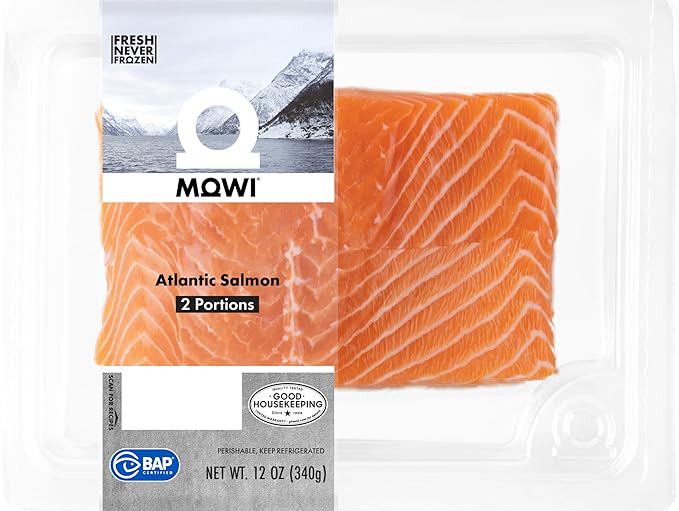
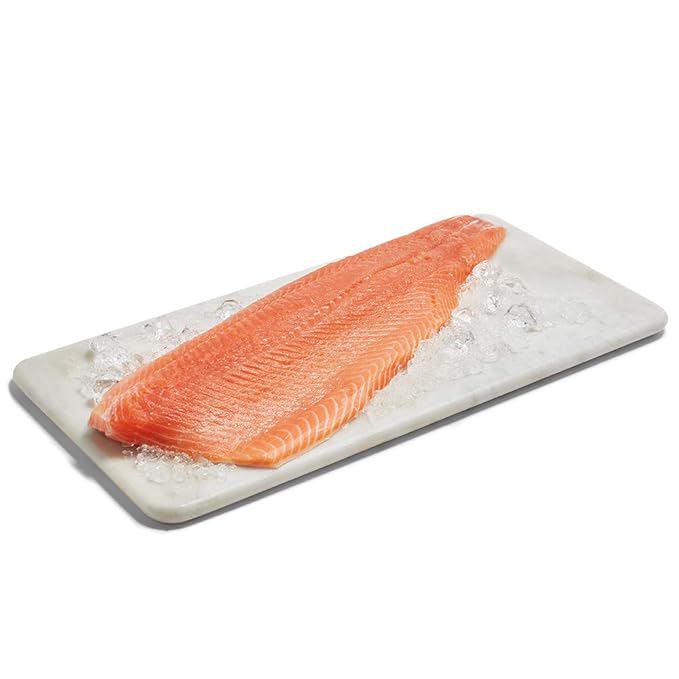
When dietitians head out to dinner with friends or host a gathering at home, they often start with the protein. Fatty fish like salmon, mackerel, and sardines are top choices because they deliver EPA and DHA—omega-3 fatty acids that help lower triglycerides, reduce inflammation, and support healthy blood pressure.
If you're cooking for a group, a whole roasted salmon with herbs and lemon is a showstopper that doesn't require much fuss. At a restaurant, look for grilled fish entrees or ceviche as a starter. For vegetarian friends, grilled tofu or a hearty lentil stew can provide plant-based omega-3s (ALA), though the conversion to active forms in the body is less efficient than direct marine sources.
“I always look for a wild-caught salmon option on the menu when I'm out with friends. It's a protein that almost everyone enjoys, and it pairs beautifully with vegetables and whole grains.” — Rachel Fine, RD
Load up on colorful vegetables for fiber and phytonutrients
Every dietitian we spoke to emphasized the importance of vegetables—but not as a bland side dish. The key is making them central to the meal. Fiber from vegetables helps lower LDL cholesterol and keeps your digestive system running smoothly. Meanwhile, the phytonutrients in deeply colored produce (like the lycopene in tomatoes, the anthocyanins in purple cabbage, and the beta-carotene in carrots) combat oxidative stress that can damage blood vessels.
For a shared meal, a big roasted vegetable platter with olive oil, garlic, and fresh herbs works for almost any diet. Try a mix of Brussels sprouts, bell peppers, red onion, and zucchini. At a restaurant, order a vegetable-heavy side or a salad with a simple vinaigrette to share with the table.
Don't fear healthy fats—especially from plants
Healthy fats are critical for heart health, and they make food taste good enough to share. Dietitians recommend avocados, nuts, seeds, and extra-virgin olive oil as your go-to sources. These fats help increase HDL (the "good" cholesterol) and improve the absorption of fat-soluble vitamins from the vegetables you're eating.
When dining out with friends, a guacamole appetizer or a salad dressed with olive oil and sprinkled with toasted almonds is a deliberate choice. At home, try making a big grain bowl with quinoa, roasted sweet potatoes, avocado slices, and a tahini-lemon dressing. It's shareable, satisfying, and packed with heart-friendly nutrients.
Go for whole grains instead of refined carbs
Refined carbohydrates (white bread, white rice, and sugary treats) can spike blood sugar and contribute to inflammation over time. Whole grains like quinoa, farro, brown rice, and oats provide steady energy and soluble fiber that helps bind cholesterol in the digestive tract.
For a group meal, a farro salad with chopped vegetables and a light dressing is a practical choice because it travels well and tastes better after it sits. At a restaurant, ask if you can swap refined rice for brown rice or choose a whole-grain bread basket instead of white rolls.
Make legumes a regular guest at the table
Beans, lentils, chickpeas, and edamame are some of the most affordable and versatile heart-healthy foods. They are rich in soluble fiber, plant protein, and potassium—all of which support healthy blood pressure and cholesterol levels.
Dietitians suggest making a big pot of lentil soup or chili for a casual gathering. You can also serve hummus with vegetable crudités as an appetizer. At a restaurant, look for bean-based soups, salads with chickpeas, or a vegetarian curry that features lentils or tofu.
What about alcohol and dessert?
Social meals often involve drinks and sweets, and dietitians say you don't have to skip them entirely. For alcohol, moderation is the key. The American Heart Association suggests limiting intake to no more than one drink per day for women and two for men. Red wine contains resveratrol, which has some antioxidant properties, but the benefits are small and don't outweigh the risks if you don't already drink.
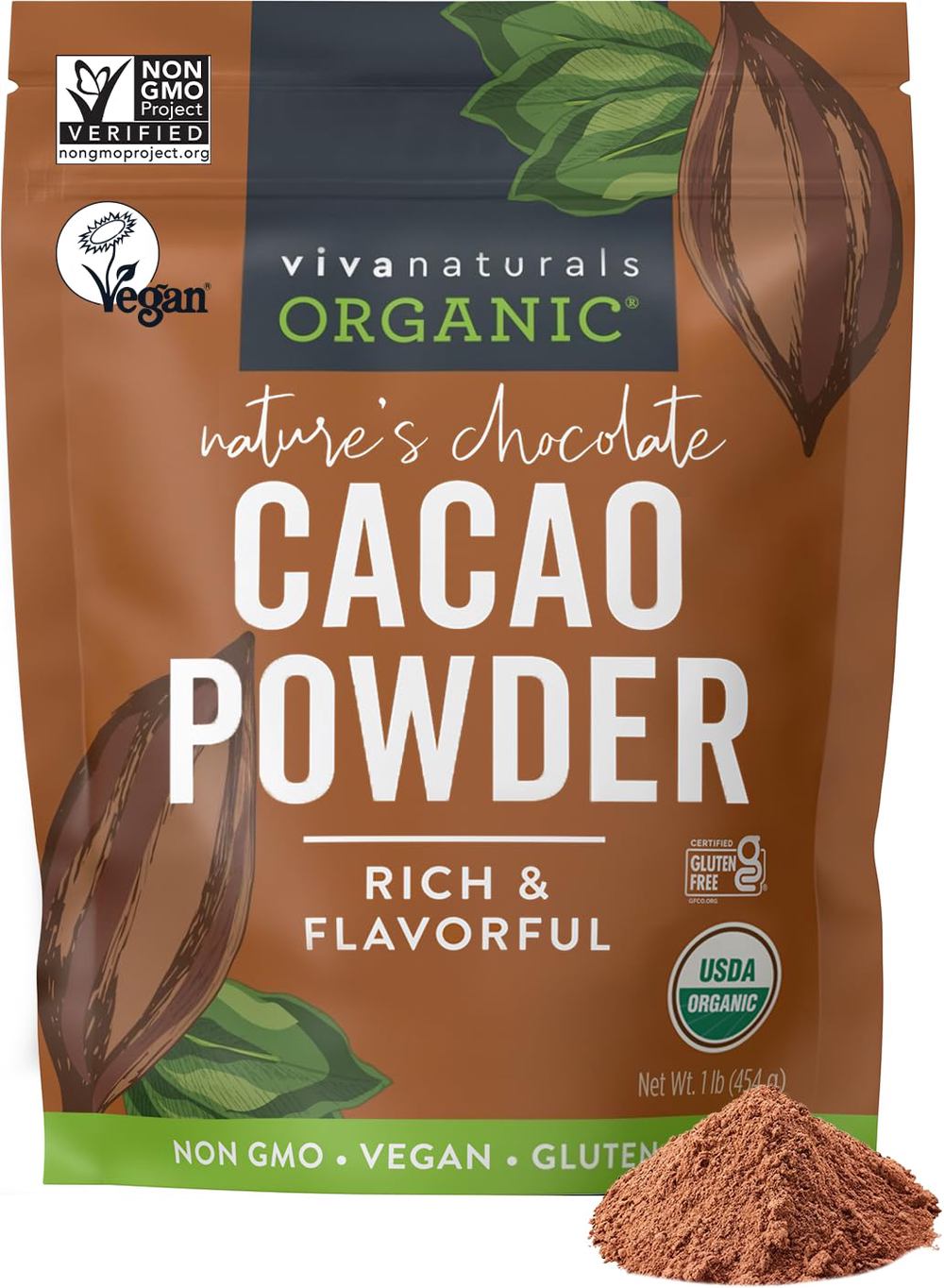
For dessert, opt for something fruit-based when possible. A berry crumble with a whole-grain oat topping or a simple plate of fresh fruit with a few dark chocolate shavings can satisfy a sweet craving without overwhelming your system. Dark chocolate with at least 70% cocoa provides flavonoids that may support arterial flexibility.
Make it a habit, not a performance
One of the most practical takeaways from the dietitians we interviewed is this: you don't have to make every meal a perfectly balanced masterpiece. The goal is to consistently choose foods that support your heart while enjoying the company of friends. A shared meal that includes a fatty fish, a colorful vegetable, a whole grain, and a source of healthy fat will serve your cardiovascular system well—but even adding one or two of these elements to a meal is a step in the right direction.
“Heart health isn't built on one perfect dinner. It's built on the thousands of small, consistent choices you make with the people who matter to you.” — Melissa Joy Dobbins, MS, RDN, CDE
Next time you're planning a get-together or meeting friends at a restaurant, think about how you can make the table a little more heart-friendly. Your taste buds—and your arteries—will thank you.