
Starting a new diabetes medication often brings welcome improvements in blood sugar management. But sometimes, you get an unwelcome side effect: queasiness. Whether it's metformin, a GLP-1 receptor agonist, or another drug, nausea can make it hard to stick to your eating plan. The good news is that small adjustments to what and how you eat can often calm your stomach without derailing your blood sugar goals.
Nausea from diabetes medication is a common hurdle, but it doesn't mean you have to push through on an empty stomach. In fact, eating certain foods—and avoiding others—can make a real difference. Below are practical, research-backed strategies to help you find relief while keeping your nutrition on track.
Why does diabetes medication cause nausea?
Medications like metformin, Ozempic, Wegovy, and others can irritate the stomach lining or slow digestion, a phenomenon known as gastroparesis. When food moves more slowly through your digestive tract, it can lead to feelings of fullness, bloating, and nausea. Some drugs also stimulate the part of the brain that triggers the vomiting reflex. Understanding this helps you choose foods that are easier to digest and less likely to trigger symptoms.
Start with safe, bland foods
When your stomach is unsettled, the goal is to give it a gentle rest without going too long without food. The BRAT diet—bananas, rice, applesauce, and toast—is a time-honored starting point, but for diabetes management, we need to make smart swaps. Choose whole-grain toast over white bread for more fiber, and pair small portions of these bland foods with a source of lean protein to stabilize blood sugar.
Other good options include:
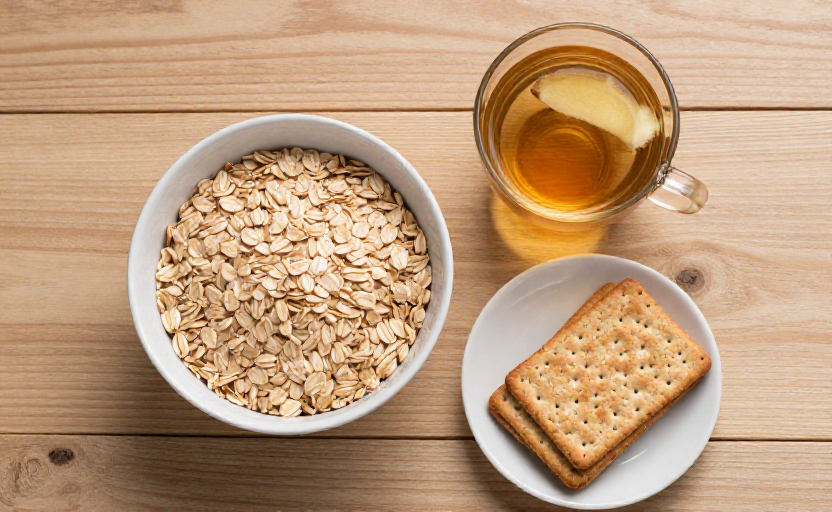
- Plain crackers or pretzels: Dry, salty snacks can help settle the stomach and provide a little carbohydrate for energy.
- Oatmeal: A small bowl of plain oatmeal (not the instant, sugary kind) is gentle and can be topped with a few berries for antioxidants.
- Broth-based soups: Chicken or vegetable broth is hydrating and easy on the stomach. Add some well-cooked vegetables or tofu for extra nutrients.
- Ginger: Ginger has natural anti-nausea properties. Try ginger tea, chews, or a small piece of fresh ginger steeped in hot water.
- Peppermint: Peppermint tea can help relax the digestive tract and reduce nausea.
A little tip: eating a few crackers or a slice of dry toast with your morning medication can buffer the stomach and often reduces nausea significantly.
Avoid foods that worsen nausea
Just as importantly, steer clear of foods that are known to aggravate nausea or slow digestion. These include:
- Greasy, fried, or high-fat foods: Burgers, fries, creamy sauces, and buttery pastries take longer to digest and can trigger nausea.
- Spicy dishes: Chili, hot sauce, and curries can irritate the stomach lining.
- Very sweet or sugary foods: Candy, soda, and pastries can cause rapid blood sugar swings that may worsen nausea.
- Strong-smelling foods: Fish, eggs, or anything with a pungent aroma can trigger queasiness in some people.
- Caffeine: Coffee and strong tea can stimulate stomach acid and make nausea worse. If you need a warm drink, try decaf or herbal tea instead.
- Alcohol: It can irritate the stomach and interfere with your medication.
Small, frequent meals are your friend
Instead of three large meals, try eating five or six small meals throughout the day. A very full stomach puts more pressure on the digestive tract and can make nausea more intense. Keeping portions small—think half a sandwich with a few carrot sticks, or a small apple with a tablespoon of peanut butter—helps you maintain steady energy without overwhelming your system.
Make sure to eat something every three to four hours. Going too long without food can lead to low blood sugar (hypoglycemia), which can also cause nausea, dizziness, and shakiness. Setting a gentle alarm can help you remember to snack even if you don't feel hungry.
Focus on lean protein and easily absorbed carbs
Lean proteins like grilled chicken breast, turkey, tofu, eggs, and fish are generally well-tolerated. Pair them with simple carbohydrates that are easy on the stomach, such as white rice, plain pasta, or boiled potatoes. This combination helps stabilize blood sugar without heavy digestive demands.
While whole grains are normally recommended for diabetes, during a bout of nausea, refined grains may be easier to tolerate. You can gradually reintroduce whole-grain options once your stomach settles.
Watch your hydration
Nausea can make drinking enough fluids a challenge, but dehydration can worsen both nausea and blood sugar control. Sip small amounts of water, clear broth, or an electrolyte drink (without added sugar) throughout the day. Cold or room-temperature drinks are often easier to tolerate than hot ones. If water alone is off-putting, try adding a squeeze of lemon, lime, or a slice of cucumber for flavor without sugar.
Avoid gulping large amounts at once, as that can distend the stomach and trigger more nausea. Instead, take small, frequent sips—like one or two tablespoons every 10–15 minutes.
Will my nausea go away over time?
For many people, nausea from medications like metformin or GLP-1 agonists improves after a few weeks as the body adjusts. If the nausea is severe, persistent, or leads to vomiting, contact your healthcare provider. They might recommend:
- Taking the medication with food or a larger meal.
- Switching to an extended-release version of the drug.
- Adjusting the dose or starting with a lower dose and gradually increasing.
- Prescribing an anti-nausea medication if needed.
Never stop or change your diabetes medication without consulting your doctor first. The goal is to find a way to manage the nausea while continuing to control your blood sugar.
When to call your doctor
While mild nausea is common, you should seek medical advice if you experience:
- Nausea that lasts more than a few weeks or is getting worse.
- Vomiting that prevents you from keeping food or fluids down.
- Signs of dehydration (dark urine, dry mouth, dizziness when standing).
- Unintentional weight loss.
- Severe stomach pain or cramping.
- Low blood sugar episodes because you cannot eat.