What you eat first thing in the morning might be quietly fueling your midday scroll-induced stress. According to nutrition and mental health experts, the foods and drinks you choose at breakfast can directly influence your brain chemistry, blood sugar stability, and cortisol levels—three factors that play a major role in how you react to the newsfeed, comments, and comparisons that define social media use.
Below, we break down three common morning staples that experts say may heighten anxiety, especially when paired with the unique pressures of social media. The goal isn't to banish these items from your kitchen, but to help you make informed choices that support a steadier mood.
1. Sugary Cereals and Sweetened Breakfast Grains
A bowl of brightly colored cereal or a packet of instant oatmeal loaded with added sugar might seem harmless, but it sets you up for a rapid spike and crash in blood glucose. When blood sugar drops sharply after a high-sugar breakfast, the body releases stress hormones like adrenaline and cortisol. This physiological response can mimic or amplify feelings of nervousness, irritability, and restlessness.
In the context of social media, that jittery energy can translate into heightened sensitivity. You may find yourself overthinking a neutral comment or feeling more threatened by a friend's curated post. Over time, this pattern can reinforce a cycle of morning anxiety and compulsive phone checking.
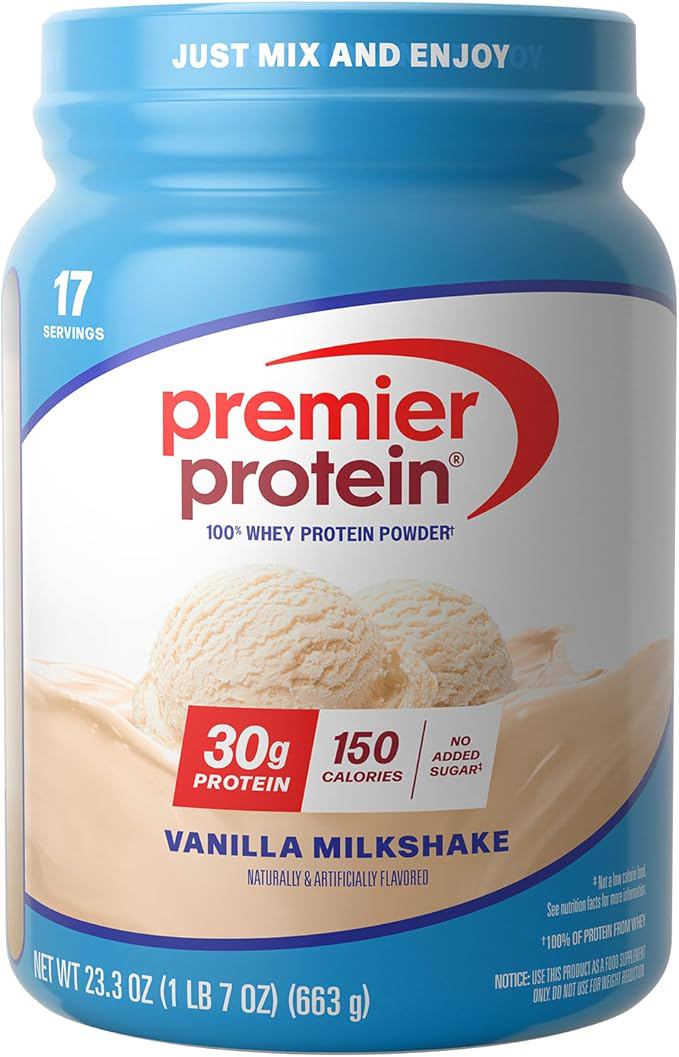
Experts suggest swapping sugary cereals for options with protein and fiber, such as plain Greek yogurt with berries, a veggie omelet, or a bowl of steel-cut oats topped with nuts and seeds. These choices help maintain stable blood sugar, which in turn supports a more even-keeled response to digital triggers.
2. Coffee on an Empty Stomach
For many, coffee is a non-negotiable morning ritual. But drinking it before eating anything else can be problematic for anxiety-prone minds. Caffeine blocks adenosine, a neurotransmitter that promotes relaxation, while also triggering the release of cortisol and epinephrine. This is the same fight-or-flight pathway that gets activated during stress.
When you consume caffeine on an empty stomach, the absorption is faster, and the cortisol response can be more pronounced. For someone already predisposed to anxiety, this can result in a feeling of being "on edge" that later fuels a reactive or obsessive approach to social media. You might find yourself refreshing feeds, comparing your life to others', or feeling a sense of urgency that isn't actually warranted.
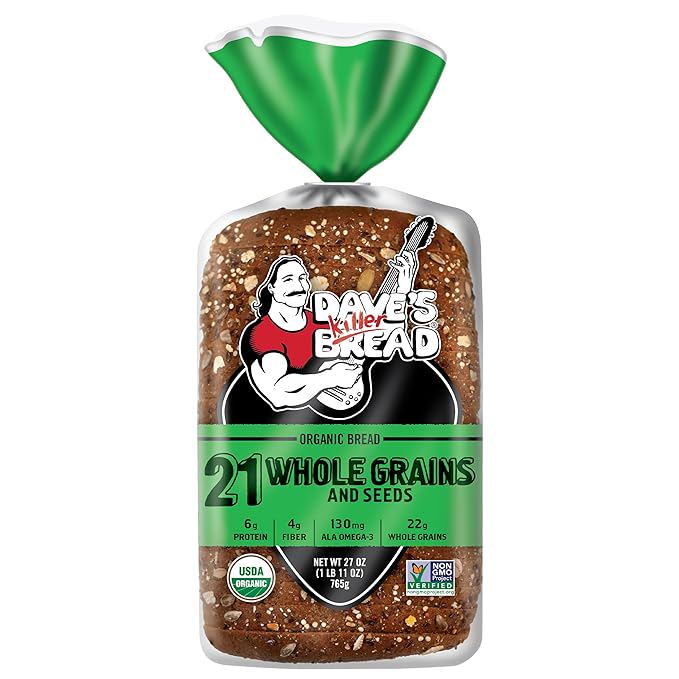
To mitigate this, experts recommend eating a protein-rich breakfast before or alongside your coffee. Even a small meal like a hard-boiled egg or a slice of whole-grain toast with nut butter can buffer the caffeine's impact. If you notice that coffee consistently makes you feel wired or anxious, consider switching to green tea, which contains L-theanine—an amino acid that promotes calmness without drowsiness.
3. Highly Processed White Toast or Bagels
Refined carbohydrates—think white bread, bagels, pastries, and many breakfast bars—are quickly broken down into sugar, leading to the same kind of blood sugar rollercoaster as sugary cereals. The problem is compounded when these foods are eaten alone, without protein or fat to slow digestion.
This rapid fluctuation in blood glucose can cause mood swings, fatigue, and brain fog, all of which make you more vulnerable to the negative effects of social media. When you're already feeling sluggish or irritable after breakfast, a single triggering post can feel overwhelming. Over months or years, this daily pattern may contribute to a general sense of social media fatigue and increased anxiety.
The fix is simple: pair refined carbs with a stabilizing element. If you enjoy toast, top it with avocado, eggs, or smoked salmon. If you're reaching for a bagel, add cream cheese and a handful of spinach, or have it with a side of cottage cheese. The goal is to create a balanced meal that keeps your mood steady until lunch.
Additional Context: Why Morning Foods Matter for Social Media Anxiety
Social media anxiety isn't just about what you see online—it's also about your baseline state when you open the app. A breakfast that leaves you with balanced blood sugar, stable cortisol levels, and a calm nervous system gives you a stronger foundation for handling digital interactions.
Conversely, a breakfast high in sugar, caffeine, or refined flour can prime your brain for fight-or-flight just as you log in. This doesn't mean you need to eliminate these foods entirely; awareness and adjustment are more sustainable than restriction.
Experts also emphasize that overall diet quality matters. Prioritizing whole foods, adequate hydration, and regular meal timing can help stabilize mood throughout the day. If you struggle with social media anxiety, experimenting with your morning meal is one low-risk, high-reward change you can make starting tomorrow.