
If you've ever felt that familiar pull to check your phone again—just one more scroll, one more notification, one more refresh—you know how compulsive social media use can feel. That urge often spikes when anxiety is already running the show. The good news? What you eat can influence the brain chemistry behind those impulses, helping you feel steadier and less driven to check, compare, or post.
Below are nutrients and food categories that support the nervous system and help calm the compulsive edge of social media anxiety. None of these replace professional help, but they can be practical tools for your daily routine.
Magnesium-Rich Foods: Your Natural Calming Agent
Magnesium is often called the relaxation mineral because it helps regulate the nervous system and blunts the body's stress response. When magnesium levels are low, anxiety and compulsive behaviors tend to rise.
Magnesium binds to GABA receptors in the brain, which promotes calmness and reduces the neural excitability that fuels compulsive checking. It also helps lower cortisol, the primary stress hormone that can make you feel wired and overwhelmed.
- Leafy greens like spinach and Swiss chard
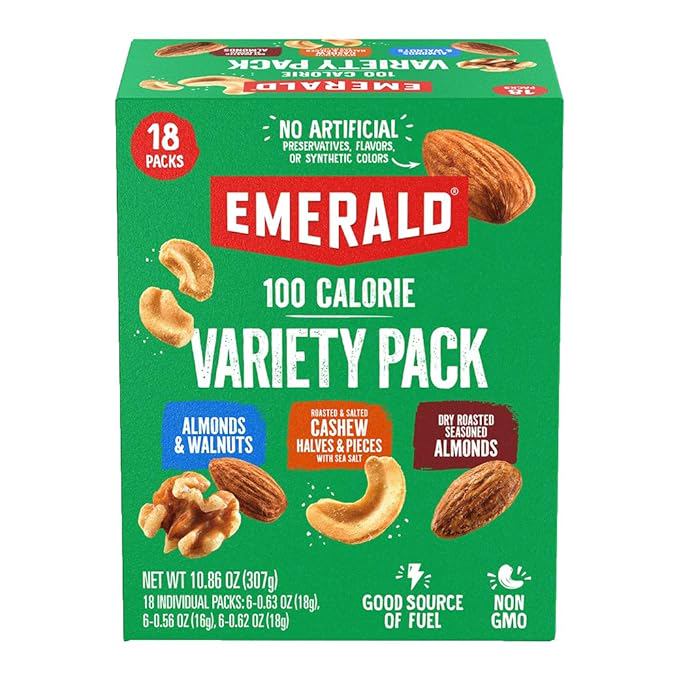
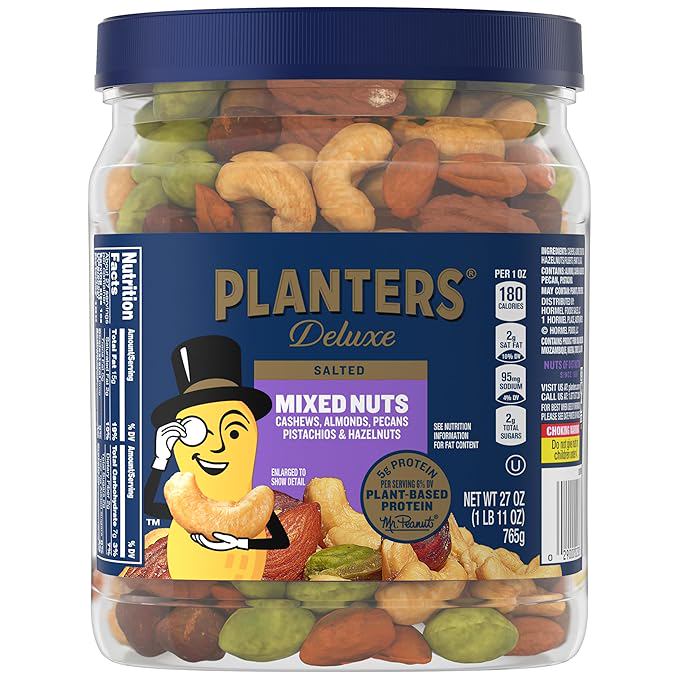
- Pumpkin seeds, almonds, and cashews
- Black beans and edamame
- Avocado and bananas
- Dark chocolate (70% cacao or higher)
Tip: A small square of dark chocolate with a handful of almonds makes for a magnesium-rich, anxiety-calming snack that feels like a treat.
Omega-3 Fatty Acids: Brain Health and Mood Stability
Omega-3s, particularly EPA and DHA, are essential for brain function and have been shown to reduce anxiety and help stabilize mood. They work by reducing inflammation in the brain and supporting the production of neurotransmitters like serotonin and dopamine, which influence impulse control.
When your brain is well-nourished with omega-3s, you are less likely to experience the dramatic mood swings and anxious peaks that trigger compulsive phone use.
- Fatty fish such as salmon, mackerel, sardines, and anchovies
- Walnuts and flaxseeds
- Chia seeds and hemp seeds
- Algae oil (a good plant-based source)
B Vitamins: Energy for Your Nervous System
The B-vitamin family—especially B6, B9 (folate), and B12—plays a direct role in producing neurotransmitters that regulate mood and impulse control. Low levels of these vitamins are linked to higher anxiety, depression, and difficulty managing compulsive urges.
B vitamins help your body convert food into energy for brain cells, support the myelin sheath around nerves (for faster signaling), and help synthesize serotonin and dopamine.
- Eggs and poultry (rich in B6 and B12)
- Leafy greens like spinach and kale (folate)
- Legumes such as lentils and chickpeas (folate and B6)
- Fortified cereals and nutritional yeast (B12 for plant-based eaters)
Complex Carbohydrates: Steady Blood Sugar, Steadier Mood
Blood sugar swings can mimic or worsen anxiety. When your blood sugar drops, your body releases stress hormones like adrenaline and cortisol, which can feel exactly like panic or urgency—making you reach for your phone as a way to self-soothe.
Complex carbohydrates digest slowly, providing a steady release of glucose to the brain. They also help the amino acid tryptophan enter the brain, where it's converted into serotonin—the feel-good neurotransmitter that promotes calm and contentment.
- Oats and whole-grain bread
- Quinoa and brown rice
- Sweet potatoes with the skin on
- Beans and lentils
Antioxidant-Rich Berries and Vegetables
Chronic oxidative stress from poor diet, sleep deprivation, or constant anxiety can inflame brain tissue and worsen compulsive behaviors. Antioxidants neutralize these damaging free radicals and support a healthier stress response.
Berries are particularly rich in flavonoids, which have been shown to reduce anxiety and improve cognitive function. Cruciferous vegetables like broccoli and Brussels sprouts support the body's detoxification pathways, helping clear out stress-related metabolites.
- Blueberries, strawberries, and raspberries
- Broccoli, kale, and Brussels sprouts
- Bell peppers and tomatoes
- Dark chocolate (yes, it counts here too)
Probiotic and Fermented Foods
The gut-brain axis is a two-way communication highway. An unhealthy gut microbiome is linked to higher anxiety and mood instability. Probiotic-rich foods help cultivate a diverse gut flora, which in turn supports the production of GABA and serotonin—the very chemicals that dampen compulsive urges.
- Yogurt and kefir (choose plain, low-sugar options)
- Sauerkraut and kimchi
- Miso and tempeh
- Kombucha (in moderation, watch the sugar content)
Putting It All Together: A Sample Anti-Anxiety Eating Pattern
You don't need to overhaul your entire diet overnight. Small, consistent shifts can make a real difference for social media anxiety and compulsive urges.
- Breakfast: Oatmeal topped with blueberries and a tablespoon of flaxseeds
- Lunch: Quinoa bowl with spinach, chickpeas, bell peppers, and grilled salmon
- Snack: A small square of dark chocolate and a handful of almonds
- Dinner: Stir-fried broccoli and edamame with tempeh over brown rice
Pair these food choices with non-digital grounding techniques: a few deep breaths before eating, stepping away from your phone during meals, and noticing how your body feels after a nutrient-dense meal. Over time, these small practices reinforce a calmer baseline—making those compulsive urges less automatic and easier to manage.