Those first few months of pregnancy can feel like a whirlwind of excitement, fatigue, and a whole new set of questions, especially about food. What you eat now is the foundation for your baby’s incredible early development, from the formation of the neural tube to the first flicker of a heartbeat. The goal isn’t perfection, but a steady, gentle focus on nutrient-dense foods that support you both.
Think of your first trimester plate as building blocks. Your body is doing profound work, and certain nutrients become non-negotiable players. This guide walks through those essentials—not with a rigid meal plan, but with an understanding of why these nutrients matter and where you can find them in everyday foods, making nourishment feel manageable even on your most queasy days.
The Core Nutrients for Early Pregnancy
During the first trimester, your baby’s major organs and systems are forming at a breathtaking pace. Your nutritional needs shift to fuel this rapid construction. Focusing on a few key nutrients ensures you’re giving your body the specific tools it requires during this critical window.
Folate: The Neural Tube Protector
Folate, or its synthetic form folic acid, is arguably the star nutrient of the first trimester. It’s vital for preventing neural tube defects, which affect the brain and spine, and this development happens very early—often before you even know you’re pregnant.
While a prenatal vitamin is a reliable source, getting folate from food helps with absorption and comes with a bundle of other beneficial compounds.
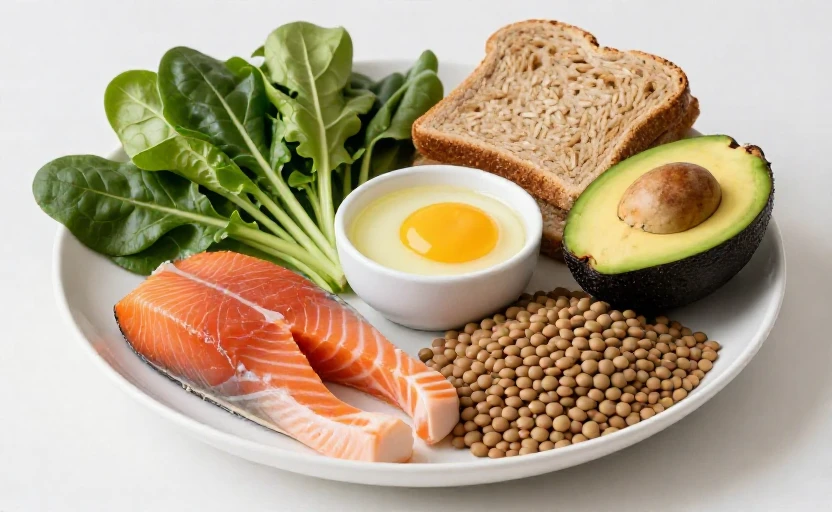
- Leafy greens: Spinach, kale, and romaine lettuce.
- Legumes: Lentils, chickpeas, and black beans.
- Fortified grains: Many breads and cereals are fortified with folic acid.
- Avocado and citrus fruits: Oranges and grapefruit are good sources.
Since neural tube closure occurs by week 6 of pregnancy, consistent folate intake is crucial from the very start.
Iron: Supporting Your Blood Supply
Your blood volume increases significantly to supply oxygen to your growing baby. Iron is the mineral that makes this possible, as it’s a core component of hemoglobin in red blood cells. Low iron can lead to fatigue and anemia, which is common in pregnancy.
There are two types of iron in food: heme iron (from animal sources) and non-heme iron (from plants). Heme iron is more easily absorbed.
- Heme iron sources: Lean red meat, poultry, and fish like salmon.
- Non-heme iron sources: Lentils, tofu, spinach, and fortified cereals.
- Pro tip: Pairing non-heme iron sources with vitamin C (like bell peppers or a squeeze of lemon) can boost absorption.
Choline: For Brain and Spinal Cord Development
Choline is gaining well-deserved attention in prenatal nutrition. It works alongside folate to support the brain and spinal cord and helps prevent neural tube defects. Many people don’t get enough, making it a nutrient to consciously include.
Excellent food sources of choline include:
- Eggs (particularly the yolks)
- Lean beef and chicken
- Fish like salmon and cod
- Dairy products like milk and yogurt
- Brussels sprouts and broccoli
Iodine: Regulating Metabolism and Growth
Iodine is essential for the production of thyroid hormones, which regulate your metabolism and are critical for your baby’s brain and nervous system development. The requirement increases during pregnancy.
The most reliable source is iodized table salt. Other good sources include:
- Dairy products (milk, yogurt, cheese)
- Fish and seafood
- Eggs
Practical Eating Through Nausea and Fatigue
Knowing what to eat and actually eating it are two different things when faced with first-trimester nausea or overwhelming tiredness. The strategy here shifts from ideal plates to practical sustenance.
Listen to your cravings and aversions. They’re powerful signals. If the thought of broccoli makes you recoil but a plain bagel sounds divine, honor that. It’s about finding what stays down and provides energy.
Eat small, frequent meals. An empty stomach can worsen nausea. Keep simple snacks like crackers, dry cereal, or a banana by your bedside to eat before you even get up.
Focus on gentle carbohydrates. When solid meals are hard, easy-to-digest carbs can be a lifeline: toast, rice, oatmeal, pretzels, or plain pasta. Pair them with a protein or fat when you can, like peanut butter on toast or cheese with crackers, for more staying power.
Stay hydrated, creatively. If plain water is unappealing, try sipping herbal teas (like ginger or peppermint), adding a slice of citrus or cucumber to your water, or eating water-rich foods like watermelon, soups, or smoothies.
Building Your First Trimester Plate
With the key nutrients and practical challenges in mind, what does a day of eating look like? It’s about weaving those essentials into meals that feel doable.
A sample framework:
- Breakfast: Scrambled eggs (choline, protein) on whole-wheat toast (folate, carbs) with a side of avocado (folate, healthy fats).
- Morning snack: Greek yogurt (iodine, protein, choline) with a handful of berries (vitamin C).
- Lunch: Lentil soup (folate, iron, protein) with a whole-grain roll. Add a side salad with spinach (folate, iron) and chickpeas (folate) when you’re able.
- Afternoon snack: Apple slices with peanut butter (protein, fat) or a handful of fortified whole-grain cereal.
- Dinner: Baked salmon (choline, iodine, omega-3s) with quinoa (protein, folate) and steamed broccoli (choline, folate).
This is a template, not a prescription. Some days, dinner might be fortified cereal. That’s okay. The aim is consistency over time, not perfection at every meal.
Foods to Be Cautious About
While the focus is on what to include, a few cautions help manage risk. The primary goal is to avoid foodborne illnesses, which can be more severe during pregnancy.
- Avoid unpasteurized dairy and juices: These can contain harmful bacteria like Listeria.
- Heat deli meats and hot dogs until steaming: This eliminates the same Listeria risk.
- Be mindful of high-mercury fish: Skip shark, swordfish, king mackerel, and tilefish. Opt for lower-mercury choices like salmon, shrimp, pollock, and light canned tuna (limiting albacore/white tuna to 4 ounces per week).
- Ensure all meat, poultry, and eggs are thoroughly cooked.
When in doubt, consult your healthcare provider for the most current, personalized guidelines.
Your first trimester is a time of immense change. By gently prioritizing folate, iron, choline, and iodine—and giving yourself grace on tough days—you’re laying a strong, compassionate nutritional foundation for the journey ahead.