Vaginal dryness is a common experience for many women, often linked to hormonal shifts during perimenopause, menopause, or other life stages. While it's a physical symptom, it can affect comfort, intimacy, and overall well-being. While topical lubricants and medical treatments are important tools, the foods you eat daily can play a supportive role in nurturing your body's tissues from the inside out.
Nutrition can't replace a conversation with your healthcare provider, but it can be a foundational part of a holistic approach. This guide focuses on the key nutrients that help maintain mucosal moisture and tissue health, and how to weave them into your everyday meals.
How Can Food Help with Vaginal Dryness?
Vaginal tissue is rich in collagen and requires adequate hydration and specific nutrients to stay healthy and lubricated. The primary connection between diet and vaginal moisture involves two key areas: supporting collagen production and promoting healthy cell function.
Collagen is the protein that gives skin and mucosal tissues their structure and elasticity. As estrogen levels decline, collagen production can slow. Nutrients like vitamin C and certain amino acids are essential building blocks for collagen.
Secondly, every cell in your body, including those in the vaginal lining, has a protective outer layer made of fatty acids. Consuming healthy fats helps maintain the integrity of these cell membranes, which is crucial for retaining moisture.
Think of food as providing the raw materials—the bricks and mortar—for your body to maintain healthy, resilient tissues.
Key Nutrients to Focus On
Instead of chasing a single "magic" food, aim for a balanced diet rich in these specific nutrients. Variety is your best strategy.
Omega-3 Fatty Acids
These are potent anti-inflammatory fats that help support cell membrane health and may improve moisture retention in mucous membranes. They're foundational for overall cellular function.
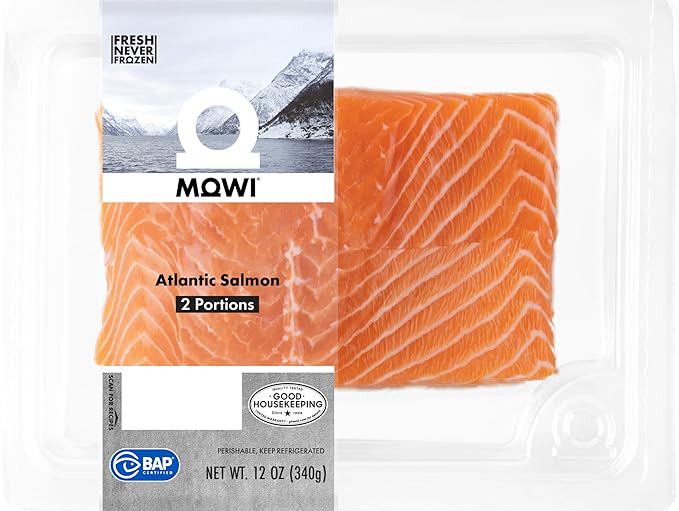
- Find them in: Fatty fish like salmon, mackerel, and sardines, flaxseeds, chia seeds, walnuts, and hemp seeds.
Vitamin E
This fat-soluble vitamin acts as an antioxidant, protecting cells from oxidative stress. It also plays a role in skin health and may support mucosal tissue.
- Find it in: Sunflower seeds, almonds, spinach, avocado, and butternut squash.
Vitamin C
Essential for collagen synthesis, vitamin C helps the body produce and maintain the connective tissues that support vaginal elasticity and health.
- Find it in: Citrus fruits, bell peppers (especially red and yellow), strawberries, broccoli, and kiwi.
Phytoestrogens
These plant compounds have a mild, estrogen-like effect in the body. While their impact varies from person to person, they may offer gentle support for some women by binding to estrogen receptors.
- Find them in: Soy products (like edamame, tofu, and tempeh), flaxseeds, sesame seeds, and lentils.
Zinc
This mineral is involved in hundreds of enzymatic processes, including tissue repair and immune function, which are important for maintaining healthy mucosal linings.
- Find it in: Pumpkin seeds, chickpeas, lentils, cashews, and quinoa.
A Dietitian's Daily Meal Framework
Here’s how to translate those nutrients into a day of eating. This isn't a rigid prescription, but a flexible template you can adapt.
Breakfast: Start with a base of whole-food carbohydrates and protein, then add a nutrient boost. Try plain Greek yogurt or cottage cheese with berries (vitamin C) and a tablespoon of ground flaxseed (omega-3s, phytoestrogens). Or, blend a smoothie with spinach (vitamin E), frozen mango (vitamin C), a scoop of protein powder, and a tablespoon of chia seeds (omega-3s).
Lunch: Build a nourishing bowl. A large bed of leafy greens topped with a palm-sized portion of protein like grilled chicken, chickpeas (zinc), or tofu (phytoestrogens). Add colorful vegetables like roasted bell peppers (vitamin C) and broccoli. Dress with a tahini (sesame seed) dressing or drizzle with olive oil and lemon.
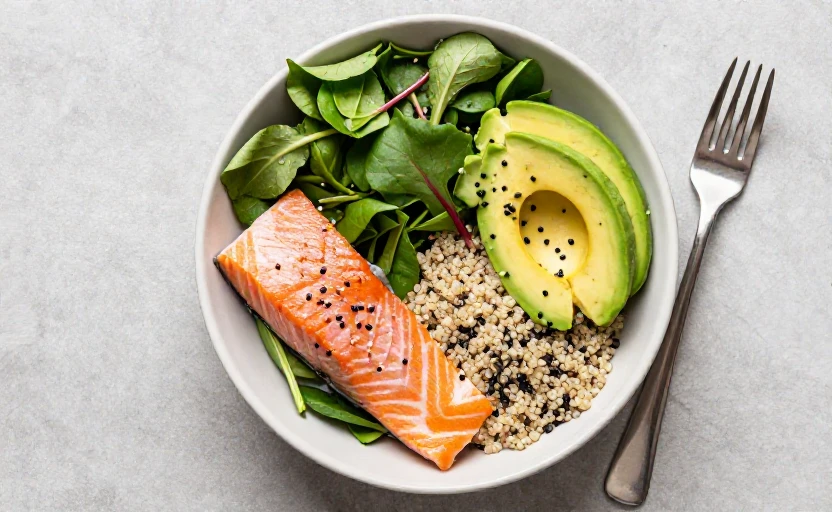
Dinner: Focus on a healthy fat and vegetable pairing. A fillet of salmon (omega-3s) with a side of quinoa (zinc) and steamed asparagus or Brussels sprouts drizzled with a little olive oil. For a plant-based option, try a lentil (phytoestrogens, zinc) and vegetable stew.
Snacks & Hydration: Keep snacks simple and nutrient-dense. A handful of almonds and an orange, carrot sticks with hummus, or a few squares of dark chocolate with a few walnuts. Crucially, don’t forget water. Adequate hydration is fundamental for all your body's secretions and mucosal health. Aim to sip water consistently throughout the day.
Remember, dietary changes work gradually alongside your body's natural rhythms. Consistency over weeks and months is more impactful than any single meal. It's also wise to limit excessive alcohol and ultra-processed foods, which can contribute to dehydration and inflammation. If dryness is persistent or causing discomfort, please consult a gynecologist or healthcare provider to discuss all your options, from nutrition to other supportive therapies.