Living with vulvodynia—chronic pain in the vulvar area with no clear cause—can feel isolating and exhausting. While medical guidance is essential, many women also look for everyday ways to support their comfort. Emerging research and clinical experience suggest that certain foods may help calm inflammation, support nerve health, and reduce pain signals. Here are five foods that naturally support vulvodynia management, along with some practical tips for incorporating them into your routine.
1. Leafy Greens: Magnesium for Nerve Calming
Dark leafy greens like spinach, Swiss chard, and kale are rich in magnesium, a mineral that plays a central role in nerve function and muscle relaxation. For women with vulvodynia, magnesium may help reduce pelvic floor tension and dampen overactive pain signals. A 2023 review in Nutrients noted that magnesium deficiency is common among people with chronic pain conditions, and supplementation may offer modest relief. While food sources are generally safe and well tolerated, aim for one generous serving of cooked greens per day—tossed into a stir-fry, blended into a smoothie, or lightly steamed as a side.
2. Fatty Fish: Omega-3s to Lower Inflammation
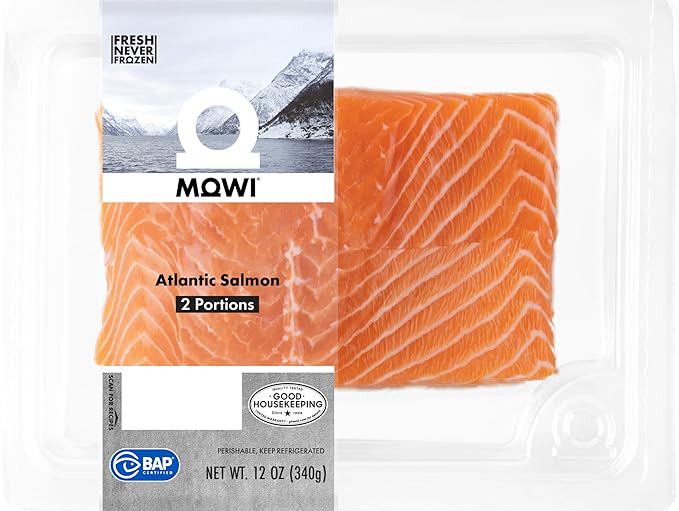
Salmon, mackerel, sardines, and anchovies are packed with long-chain omega-3 fatty acids (EPA and DHA), which the body uses to produce anti-inflammatory molecules called resolvins and protectins. Chronic inflammation can aggravate vulvar pain, and a 2021 study in Pain Research and Management found that women with vulvodynia had lower dietary intake of omega-3s compared to pain-free controls. Two servings of fatty fish per week can help tip the balance toward an anti-inflammatory state. For those who do not eat fish, a high-quality algal oil supplement offers a similar profile.
3. Berries: Antioxidant Protection
Blueberries, strawberries, raspberries, and blackberries are loaded with anthocyanins and flavonoids—compounds that combat oxidative stress at the cellular level. Oxidative stress can worsen nerve pain and tissue sensitivity, so adding a handful of berries to oatmeal, yogurt, or a salad provides a gentle, daily dose of protective antioxidants. A 2022 study in the Journal of Translational Medicine highlighted that polyphenol-rich diets are associated with lower levels of pro-inflammatory cytokines, which may benefit vulvodynia management over time.
4. Turmeric: Curcumin for Pain Signaling
Turmeric contains curcumin, a potent anti-inflammatory compound that has been studied for its ability to modulate pain pathways. In a 2020 randomized controlled trial in Phytotherapy Research, curcumin supplementation significantly reduced chronic pelvic pain scores compared with placebo. For vulvodynia, the anti-inflammatory and antioxidant effects may help soothe irritated nerve endings. Because curcumin is poorly absorbed on its own, pair turmeric with black pepper (which contains piperine, a natural absorption enhancer) and a small amount of healthy fat. A golden latte or a turmeric-spiced vegetable curry are easy ways to include it regularly.
5. Pumpkin Seeds: Zinc for Tissue Repair
Zinc is essential for wound healing, immune function, and maintaining the integrity of skin and mucous membranes. Pumpkin seeds are one of the richest plant-based sources of this mineral. For women with vulvodynia, adequate zinc intake may support the repair of delicate vulvar tissue and help regulate immune responses that could contribute to pain. A 2019 study in Biological Trace Element Research found that women with chronic vulvar pain had lower serum zinc levels than controls. A small handful of raw or lightly roasted pumpkin seeds makes an easy snack; you can also sprinkle them over salads or soups.
Practical Tips for a Vulvodynia-Friendly Diet
Focus on whole, unprocessed foods as much as possible, and keep a food-and-symptom journal for a few weeks. This simple practice can help you identify personal triggers—common culprits include high-oxalate foods (like spinach, rhubarb, and almonds), sugar, caffeine, and alcohol. No single diet works for everyone, so listen to your body and work with a registered dietitian or a gynecologist who understands vulvodynia. Hydration also matters: aim for 8–10 cups of water daily to support tissue health.
Remember that diet is one piece of a broader management plan that may include pelvic floor physical therapy, topical treatments, stress reduction, and—when appropriate—medication. Always consult your healthcare provider before making significant dietary changes, especially if you have a comorbid condition or take medications that could interact with high doses of certain nutrients.