
Adult ADHD can make it hard to sustain focus and energy, especially when blood sugar levels spike and crash. What you eat plays a direct role in how your brain functions throughout the day. This dietitian-backed guide covers the foods and eating patterns that help promote steady energy for adults managing ADHD, without relying on quick fixes or caffeine overload.
ADHD affects executive function, impulse control, and attention regulation — and the nutrients you consume either support or undermine those systems. By choosing the right balance of protein, complex carbohydrates, healthy fats, and targeted micronutrients, you can build a diet that helps your brain run more consistently.
Why stable blood sugar matters for ADHD
When blood sugar rises rapidly after a sugary or refined-carb meal, the body releases a surge of insulin that can cause a sharp drop in blood sugar shortly after. That crash often triggers brain fog, irritability, fatigue, and difficulty concentrating — all of which are already challenges for someone with ADHD. Keeping blood sugar stable through strategic food choices can help you avoid those peaks and valleys.
A simple starting point is to never eat carbohydrates alone. Pairing carbs with protein, fiber, or fat slows digestion and prevents rapid glucose spikes. For example, an apple with almond butter is far more stabilizing than applesauce or juice. The same principle applies to breakfast, lunch, dinner, and snacks.
Prioritize protein at every meal
Protein provides amino acids that are precursors to dopamine and norepinephrine — two neurotransmitters that are often dysregulated in ADHD. Eating protein throughout the day supports the production of these chemicals, which can improve focus and reduce mental fatigue.
- Eggs and Greek yogurt are excellent morning options. A breakfast with 20–30 grams of protein (for example, two eggs plus a cup of yogurt) can help sustain attention until lunch.
- Lean poultry, fish, and tofu work well at midday. Grilled chicken or salmon on a bed of greens with quinoa provides slow-release energy.
- Plant proteins such as lentils, chickpeas, and edamame are also effective and pair well with whole grains.
Spreading protein evenly across meals (rather than loading up only at dinner) appears to be more beneficial for stable energy and cognition.
Choose complex carbohydrates for steady fuel
Not all carbs are equal. Simple carbs — white bread, sugary cereals, pastries, and sodas — are rapidly converted to glucose, causing the spike-and-crash cycle. Complex carbohydrates, on the other hand, break down slowly and provide a steady supply of glucose to the brain.
Think of complex carbs as a slow-burning log on a fire, while simple carbs are like gasoline — a quick burst that fades fast.
Excellent complex carb choices include:
- Oats (steel-cut or rolled)
- Quinoa and brown rice
- Sweet potatoes
- Beans and lentils
- Whole-grain bread or wraps
If you have a carbohydrate-heavy meal, add a source of protein or healthy fat — such as chicken to a rice bowl or avocado to toast — to further blunt the glucose response.
Don't forget healthy fats
The brain is about 60% fat, and omega-3 fatty acids in particular are linked to improved attention and reduced hyperactivity symptoms in some studies. Omega-3s are anti-inflammatory and support the structure of brain cell membranes. Adults with ADHD often have lower levels of omega-3s, so including them in the diet is a practical step.
Top sources of omega-3s
- Fatty fish like salmon, mackerel, sardines, and trout (aim for two servings per week)
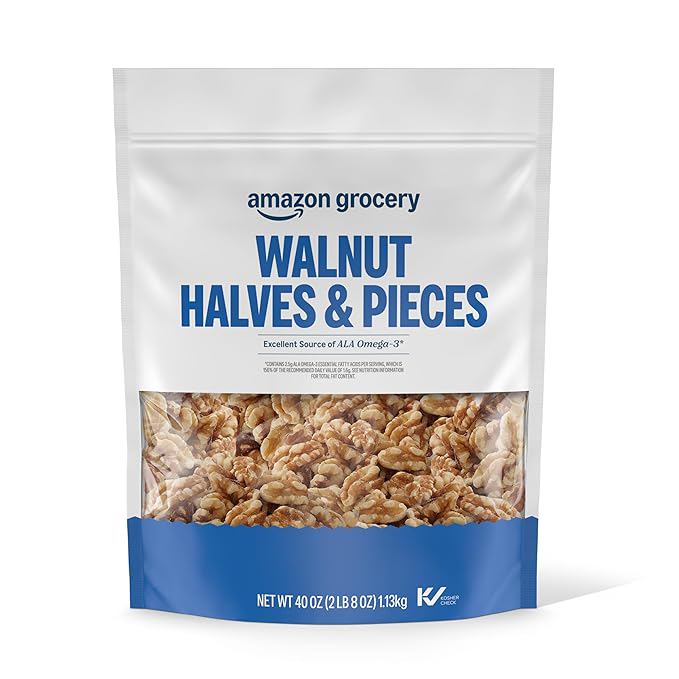
- Walnuts
- Flaxseeds and chia seeds
- Hemp seeds
If you don't eat fish, consider a high-quality algae-based omega-3 supplement, but it's best to start with food sources first.
Key micronutrients that support brain function
Several vitamins and minerals play supporting roles in energy metabolism and neurotransmitter synthesis. While a varied diet usually covers these needs, paying attention to them can be especially helpful for adults with ADHD.
Iron. Low iron levels are associated with more severe ADHD symptoms in some adults, particularly those with heavy menstrual cycles. Good food sources include red meat, spinach, lentils, and fortified cereals. Pair iron-rich foods with vitamin C (such as bell peppers or citrus) to enhance absorption.
Magnesium. This mineral is involved in over 300 enzymatic reactions, including those that regulate the nervous system. Deficiency can contribute to restlessness, poor sleep, and muscle tension. Magnesium-rich foods include pumpkin seeds, almonds, spinach, and black beans.
Zinc. Some research suggests that low zinc levels are linked to reduced attention and impulse control. Oysters are the richest source, but beef, pumpkin seeds, and chickpeas also contribute.
B vitamins. B6, B9 (folate), and B12 are involved in producing dopamine and serotonin. Leafy greens, legumes, eggs, and poultry are reliable sources.
Sample eating rhythm for steady energy
Instead of three large meals, many adults with ADHD benefit from three moderate meals plus one or two small snacks spaced evenly throughout the day. This pattern prevents long stretches without fuel, which can lead to energy dips and impulsive food choices.
A sample day might look like this:
- Breakfast: Scrambled eggs with spinach and a slice of whole-grain toast
- Snack: A handful of walnuts and a piece of fruit
- Lunch: Quinoa bowl with grilled chicken, roasted vegetables, and avocado
- Snack: Greek yogurt with berries and a tablespoon of chia seeds
- Dinner: Baked salmon, sweet potato, and steamed broccoli
Adjust portion sizes to your appetite and activity level. The goal is to avoid feeling overly full or hungry — both of which can derail concentration.
Hydration and caffeine: subtle but real effects
Even mild dehydration can cause fatigue, headaches, and difficulty focusing. Water is the best choice, but herbal teas and water-rich fruits (like cucumber or melon) also count. Carry a water bottle as a reminder to sip throughout the day.
Caffeine is common among adults with ADHD as a self-treatment for focus. While it can provide a short-term boost, too much can increase anxiety, disrupt sleep, and trigger jitteriness. If you use caffeine, try to limit it to the morning or early afternoon and avoid it after 2 p.m. to protect sleep quality.
Putting it all together
There is no single ADHD diet, but the patterns that support steady energy are consistent: prioritize protein, choose complex carbs, include healthy fats, attend to key micronutrients, and eat at regular intervals. These habits help the brain function more predictably and may reduce the severity of daily ADHD challenges.
Start with one change — such as adding protein to breakfast or swapping white bread for whole grain — and build from there. Small shifts in what you eat can make a meaningful difference in how you feel and focus.