Period cramps can turn an ordinary day into a miserable one. For many people, the search for relief goes beyond a heating pad or an over-the-counter pill. What you eat matters, and certain foods have real, science-backed potential to ease menstrual pain. We asked registered dietitians to share the foods they recommend most often—and why they work.
Why diet can help with period pain
Most period pain is caused by prostaglandins, hormone-like compounds that make the uterus contract to shed its lining. Higher levels of prostaglandins mean more intense cramps and inflammation. Some foods naturally lower inflammation, improve blood flow, or help relax muscles. Others provide key minerals like magnesium and calcium, which play a direct role in muscle function and pain signaling.
The goal isn't a quick fix. Consistently including these foods in your diet around your cycle may reduce the severity of cramps over time.
1. Fatty fish: Omega-3s to fight inflammation
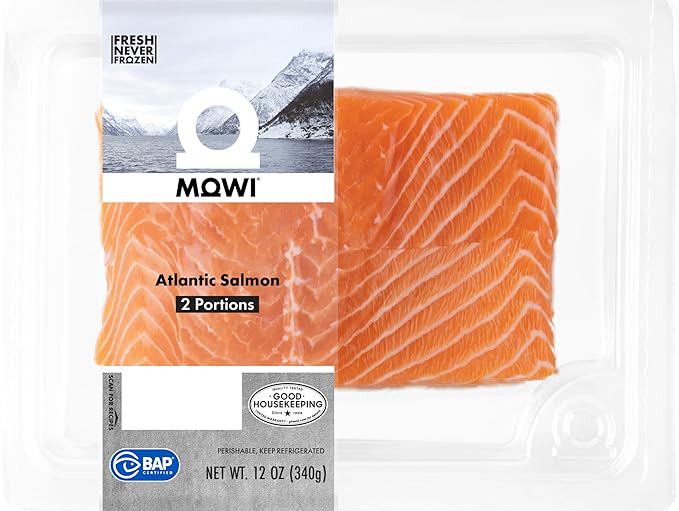
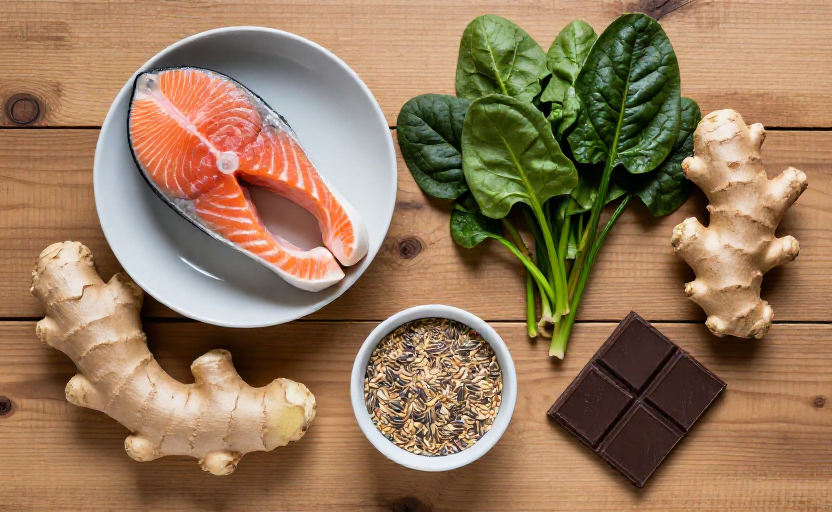
Salmon, mackerel, sardines, and anchovies are rich in omega-3 fatty acids, which have strong anti-inflammatory effects. A 2018 review found that people who consumed more omega-3s reported less menstrual pain and used fewer pain relievers. Omega-3s help lower the production of inflammatory prostaglandins.
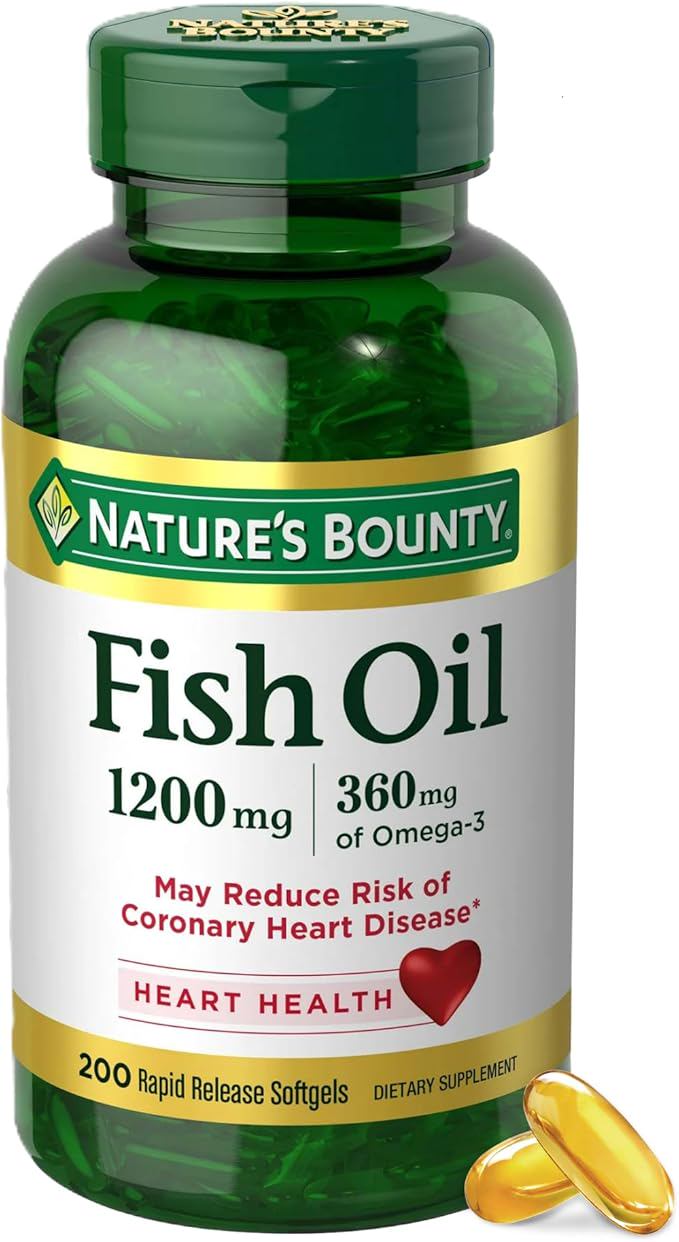
Dietitians recommend eating two servings of fatty fish per week. If you don't eat fish, a high-quality algae-based omega-3 supplement is an alternative—but check with your healthcare provider first.
2. Leafy greens: Magnesium and calcium powerhouses
Spinach, kale, Swiss chard, and collard greens are packed with magnesium and calcium. Magnesium helps relax muscle tissue and can reduce the severity of cramps. Calcium supports muscle contraction and nerve signaling, and some studies suggest that getting enough calcium may lessen both pain and mood symptoms during your period.
Try adding a handful of spinach to your morning smoothie or using kale as a base for salads throughout the week.
3. Ginger: A natural pain reliever
Ginger isn't just for nausea. Research indicates that ginger can be as effective as some over-the-counter pain medications for menstrual cramps. It works by reducing prostaglandin levels and inflammation.
Fresh ginger grated into tea, added to stir-fries, or blended into soups is a simple way to get the benefits. Aim for about 1–1.5 grams of ginger per day during the first few days of your period.
4. Dark chocolate: A magnesium-rich treat
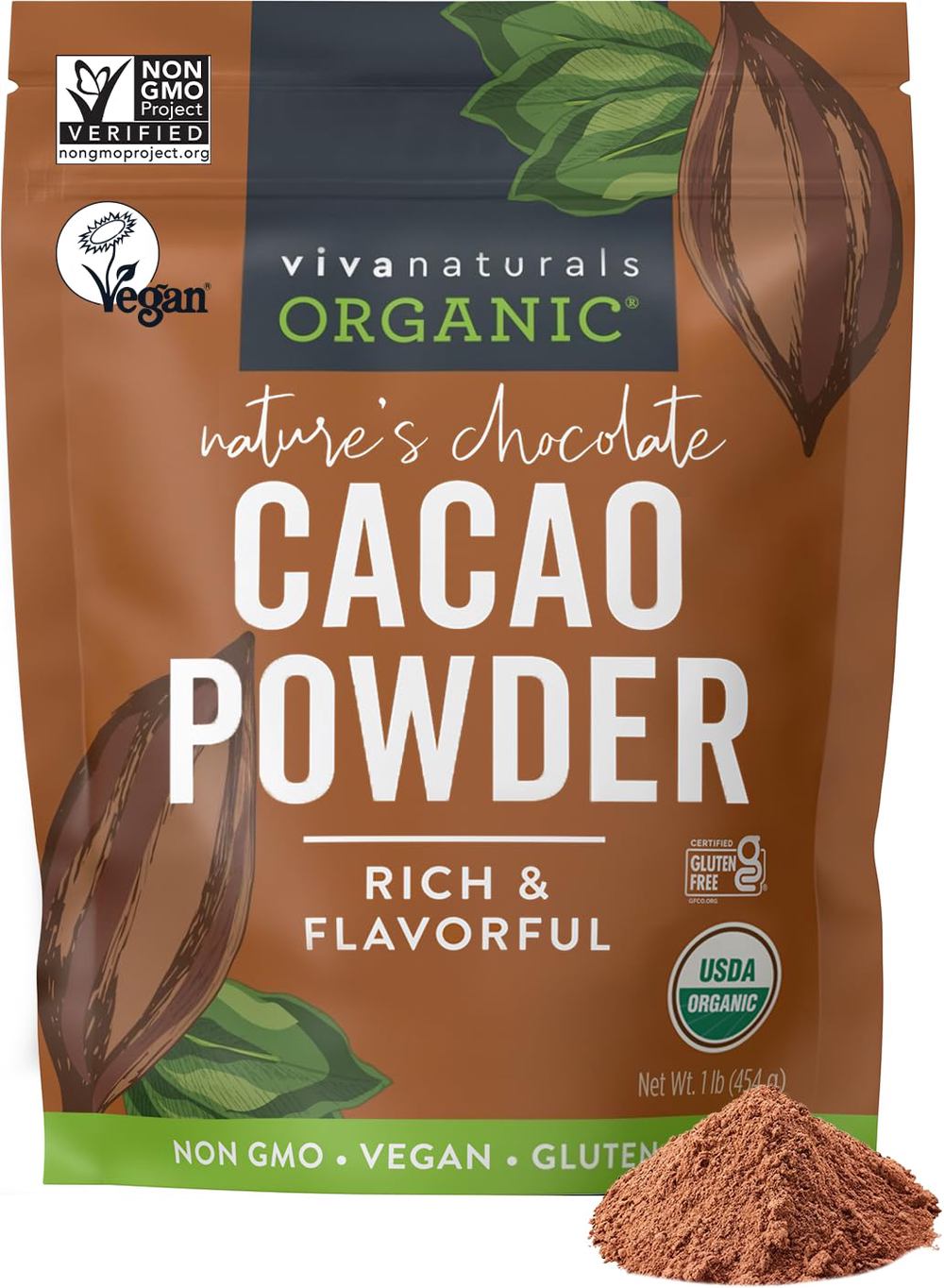
Dark chocolate (70% cocoa or higher) is a good source of magnesium and also contains iron, which can help if you feel fatigued during your period. The magnesium in dark chocolate may help relax uterine muscles and reduce cramping.
Stick to one or two small squares per day—enough to get the nutrients without overdoing sugar and calories.
5. Seeds: Flax, pumpkin, and sesame
Flaxseeds, pumpkin seeds, and sesame seeds are rich in zinc, magnesium, and omega-3s. Zinc plays a role in reducing inflammation, and magnesium supports muscle relaxation. Some dietitians suggest a "seed cycling" approach—eating specific seeds during different phases of the menstrual cycle—but even eating them regularly offers benefits.
Sprinkle ground flaxseeds on oatmeal, add pumpkin seeds to salads, and use tahini (sesame paste) in dressings or sauces.
Quick tip: Pair these foods with plenty of water. Dehydration can make cramps worse, and staying hydrated helps your muscles function properly.
Foods to limit during your period
Just as some foods help, others can make cramps worse. High-sodium foods cause bloating, which can amplify discomfort. Caffeine constricts blood vessels and may increase tension. Sugary snacks spike blood sugar and then crash it, which can worsen fatigue and mood swings. Reducing these around your period may amplify the benefits of the foods above.
Putting it together
You don't need to overhaul your diet overnight. Try adding one or two of these foods in the week before your period starts. For example, have a salmon salad with spinach and pumpkin seeds, or drink ginger tea in the evenings. Consistency is more important than perfection.
If period pain is severe enough to interfere with daily life, it's worth talking to a healthcare provider. Diet can help, but it's not a replacement for medical care if you have conditions like endometriosis or fibroids.