If you deal with heavy or prolonged menstrual bleeding each month, you know the toll it can take on your energy. That dip in stamina isn’t just in your head — it’s often a sign that your iron stores are running low. During your period, your body loses blood and, with it, a significant amount of iron. Over time, this can lead to iron deficiency or even anemia. The good news is that what you put on your plate can make a real difference. Below, two expert-backed meals designed to replenish iron and help you feel like yourself again.
Why your period depletes iron
Iron is a mineral your body uses to make hemoglobin, the protein in red blood cells that carries oxygen to your tissues. When you lose blood during menstruation, you lose iron too. For women with heavy periods (menorrhagia), the loss can be substantial enough to drain iron reserves. Symptoms like fatigue, pale skin, shortness of breath, and brain fog are common signals that your iron levels may be falling short. While supplements can help in some cases, food sources of iron are often better absorbed and come with additional nutrients that support overall health.
Iron from food comes in two forms: heme iron (from animal sources) and non-heme iron (from plants). Heme iron is absorbed more efficiently, but you can boost non-heme absorption by pairing it with vitamin C. The two meals below are designed with this strategy in mind — combining iron-rich ingredients with vitamin C for maximum uptake.
Meal 1: Spinach and red meat stir-fry with citrus
This quick stir-fry brings together two powerhouse sources of heme iron: lean beef and spinach. A 3-ounce serving of beef provides about 2–3 mg of iron, while one cup of cooked spinach adds another 6 mg of non-heme iron. The real trick is the squeeze of lemon juice (or a splash of orange juice) added just before serving — the vitamin C helps your body absorb more of the plant-based iron from the spinach.
How to build it
- Cook 4–5 ounces of thinly sliced lean beef (sirloin or flank) in a hot pan with a little olive oil until browned. Remove and set aside.
- In the same pan, sauté 3 cups of fresh spinach with minced garlic for 1–2 minutes, just until wilted.
- Return the beef to the pan, add 1–2 tablespoons of low-sodium soy sauce or tamari, and toss together.
- Finish with a generous squeeze of fresh lemon juice and a pinch of black pepper (black pepper can also enhance iron absorption).
Serve over a small portion of quinoa or brown rice. Quinoa itself contains a modest amount of iron, and the whole meal delivers around 8–10 mg of iron — roughly half of what a menstruating woman needs per day (the RDA is 18 mg).
Meal 2: Lentil and red bell pepper soup with yogurt
For plant-based eaters or anyone who wants a meatless option, lentils are a stellar choice. One cup of cooked lentils provides about 6.6 mg of iron — more than most meats — but it’s non-heme, so absorption needs a boost. That’s where the red bell pepper comes in: one medium pepper contains more than 100 mg of vitamin C, enough to significantly increase how much iron your body can use. A dollop of plain yogurt on top adds calcium, which is important for bone health, though note that calcium can slightly inhibit iron absorption — so try to eat the yogurt separately or wait an hour after the meal for best results.
How to build it
- Sauté one diced onion, two minced garlic cloves, and one diced red bell pepper in olive oil until soft.
- Add 1 cup of rinsed brown or green lentils, 3 cups of vegetable broth, and 1 cup of diced canned tomatoes.
- Simmer for 25–30 minutes until lentils are tender. Season with cumin, smoked paprika, and a pinch of turmeric.
- Ladle into bowls and top with a spoonful of plain Greek yogurt and a sprinkle of fresh cilantro.
This soup packs about 7–8 mg of iron per serving, and the vitamin C from the bell pepper and tomatoes helps you absorb much more of it than you would from lentils alone.
Quick tips to maximize iron absorption
- Pair iron with vitamin C. Add citrus, bell peppers, strawberries, or broccoli to iron-rich meals.
- Watch out for calcium at the same meal. Dairy, calcium-fortified plant milks, and supplements can reduce iron absorption if consumed together. Space them out by at least an hour.
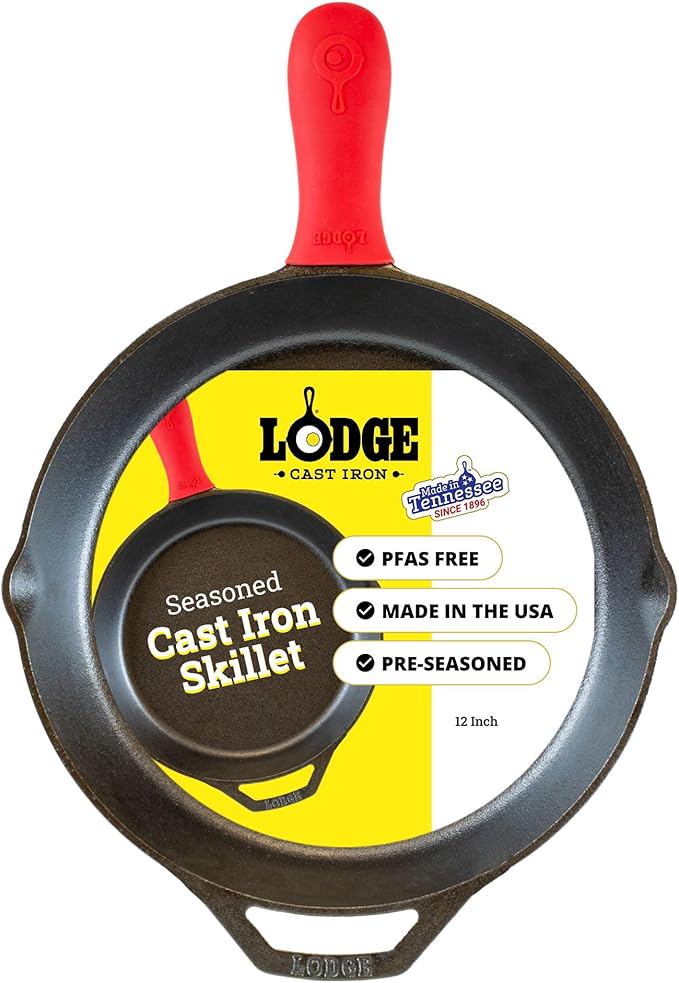
- Cook in a cast-iron skillet. Small amounts of iron leach into food during cooking, especially acidic foods like tomatoes.
- Avoid tea and coffee right after meals. Tannins in these beverages can block iron absorption. Wait at least an hour.
Should you consider a supplement?
While food is the safest and most sustainable way to rebuild iron stores, some women may need a supplement — especially if iron-deficiency anemia has already been diagnosed. Always check with a healthcare provider before starting any supplement, because too much iron can be toxic. A simple blood test (serum ferritin or complete blood count) can tell you if your levels are low and whether supplementation is warranted.
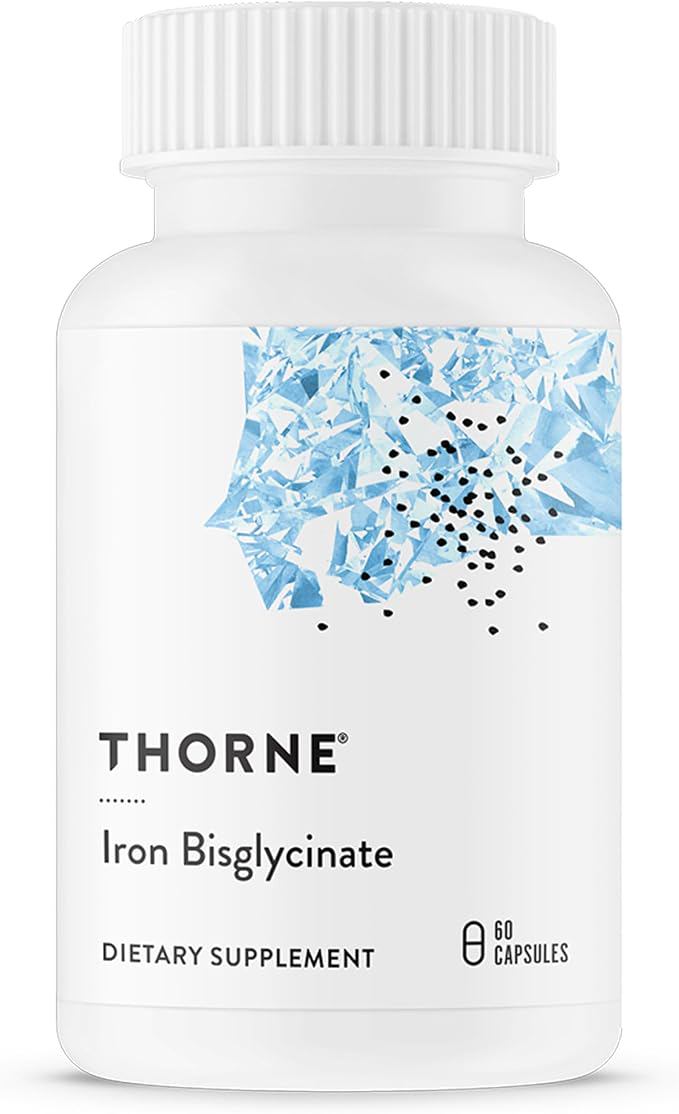
If you are looking for a gentle supplement, a low-dose iron bisglycinate (often better tolerated than ferrous sulfate) might be an option — but again, consult your doctor first.
Your menstrual cycle is a normal part of life, but feeling drained month after month doesn’t have to be. By choosing meals that are intentionally built to replenish iron — and pairing them with smart absorption strategies — you can support your energy, your mood, and your overall health.