
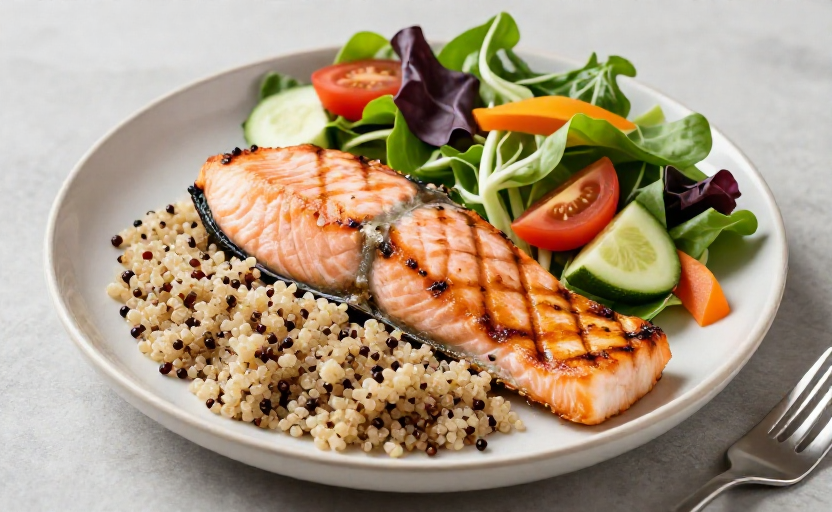
When managing acne-prone skin, it is easy to focus only on what you apply topically. Yet dermatologists and dietitians agree that dinner—often the largest meal of the day—plays a real role in how your skin behaves overnight and into the next morning. What you eat in the evening can either support your skin's repair cycle or fuel the inflammation that leads to breakouts.
Here is what experts look for when building a skin-supportive dinner plate, without restrictive diets or expensive supplements.
Why dinner matters for your complexion
Your skin works hard overnight. During sleep, blood flow to the skin increases, cell turnover ramps up, and inflammation subsides—assuming your body has the right raw materials. A dinner heavy in refined carbohydrates or unhealthy fats can spike insulin and promote a pro-inflammatory cascade, contributing to clogged pores. A more balanced dinner, on the other hand, provides the nutrients needed for stable blood sugar and collagen synthesis.
As registered dietitian nutritionist Keri Glassman puts it: “Your meal is a chance to fuel your skin for its overnight repair. You do not need a perfect meal—just a plate that combines lean protein, fiber, and healthy fat.”
Key components of a skin-friendly dinner
Rather than a single miracle food, think of dinner as a combination of elements that work together.
Lean protein for structure and repair
Protein provides amino acids—especially glycine and proline—that are essential for collagen production. Collagen is the structural protein that keeps skin firm and helps heal micro-inflammation. Good dinner sources include grilled chicken, turkey, fish, tofu, or legumes. Portion size is roughly the size of your palm.
Low-glycemic carbohydrates for steady insulin
High-glycemic meals (think white pasta, sugary sauces, and white rice) cause a rapid blood sugar spike, which triggers insulin and, subsequently, an increase in insulin-like growth factor 1 (IGF-1). Elevated IGF-1 is linked to increased sebum production and acne. Swapping refined grains for whole grains or non-starchy vegetables helps keep blood sugar steady.
Choose quinoa, farro, lentils, or roasted vegetables instead of white bread or sugary sides.
Healthy fats to calm inflammation
Omega-3 fatty acids, found in fatty fish like salmon, sardines, walnuts, and flaxseeds, help reduce inflammatory messengers in the skin. A dinner that includes a palm-sized piece of salmon plus a handful of greens drizzled with olive oil gives the skin a direct anti-inflammatory boost.
Colorful vegetables for antioxidants
Vitamins C and E, beta-carotene, and polyphenols all protect skin cells from oxidative damage. Dark leafy greens, bell peppers, sweet potatoes, broccoli, and tomatoes are especially valuable. Aim to cover half your plate with vegetables in a variety of colors.
Quick rule of thumb: Build your dinner this way—one quarter of the plate for lean protein, one quarter for whole grains or starchy vegetables, and the remaining half for non-starchy vegetables. Add a thumb-sized portion of healthy fat.
What about dairy and gluten?
A common question among people with acne is whether to eliminate dairy or gluten. The connection is not universal. Some individuals may notice breakouts after consuming skim milk or whey protein (often due to hormonal residues), and others have gluten sensitivity that manifests on their skin. However, experts recommend a targeted elimination approach rather than cutting out entire food groups. If you suspect dairy triggers your breakouts, eliminate it for two weeks and then reintroduce it to observe changes.
Dinner ideas that align with the research
You do not need complicated recipes. Here are a few examples that incorporate the principles above.
- Grilled salmon + quinoa + a large mixed green salad with avocado and lemon vinaigrette. High in omega-3s, fiber, and vitamin C.
- Stir-fried tofu with broccoli, bell peppers, and snap peas over brown rice. Plant-based protein plus a rainbow of antioxidants.
- Turkey and black bean chili with tomatoes and spinach (go easy on the cheese). Lean protein, fiber, and lycopene from cooked tomatoes.
- Baked chicken breast with roasted sweet potatoes and steamed asparagus. A balanced plate with beta-carotene and folate.
What about caffeine and alcohol?
Caffeine late in the day can disrupt sleep, and poor sleep raises cortisol, which can worsen acne. If you drink coffee or energy drinks, try to finish them by midafternoon. Alcohol, particularly beer and sugary cocktails, can spike blood sugar and dehydrate the skin—limiting it to one drink, or skipping it on most nights, supports skin health.
The bottom line
A single dinner will not clear your skin, but consistent patterns matter. Focus on whole foods, limit processed ingredients and added sugar, and keep your plate balanced. The same foods that support heart health and stable energy also happen to be what your skin craves overnight. If you struggle with persistent acne, consider working with a registered dietitian who can tailor these principles to your specific needs.