Many people find that their menstrual cycle doesn't always arrive like clockwork. Stress, travel, significant weight changes, and certain health conditions can all nudge ovulation—and therefore your period—off schedule. While it's always wise to check with a healthcare provider if your cycles are consistently irregular, what you put on your plate can play a meaningful supporting role in hormonal balance. Here are five meal ideas built around nutrients that help support a healthy, regular cycle.
The big picture: nutrients that support cycle regularity
Before we get into the meals, it helps to understand the key players. Your menstrual cycle is orchestrated by a delicate dance of hormones—estrogen, progesterone, FSH, and LH. For that dance to happen smoothly, your body needs a steady supply of certain nutrients. Magnesium helps regulate the stress hormone cortisol, which can disrupt ovulation when elevated. B vitamins, especially B6, are involved in hormone metabolism and can help reduce PMS symptoms. Healthy fats are the building blocks for hormone production. Fiber helps your body excrete excess estrogen, preventing dominance that can lead to irregular cycles. And zinc supports ovulation itself.
The meals below aren't a prescription or a cure-all. Think of them as a way to crowd in the good stuff—a foundation that gives your hormonal system what it needs to do its job.
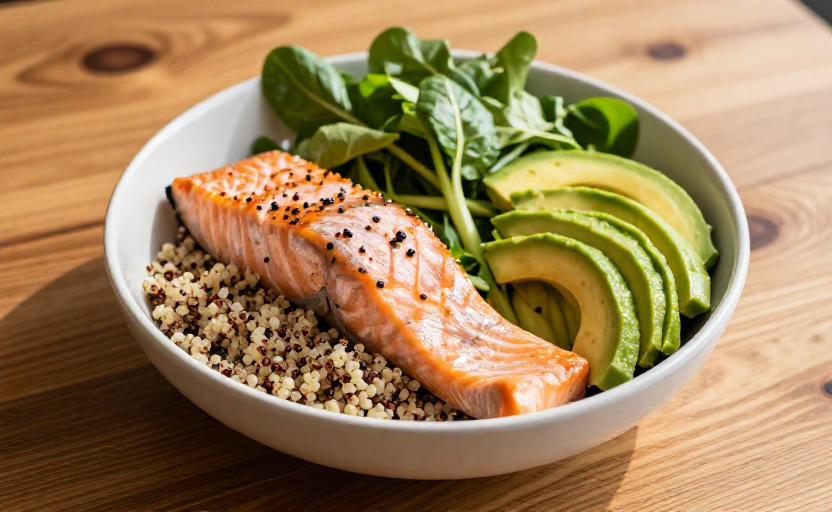
1. Salmon bowl with quinoa, avocado, and leafy greens
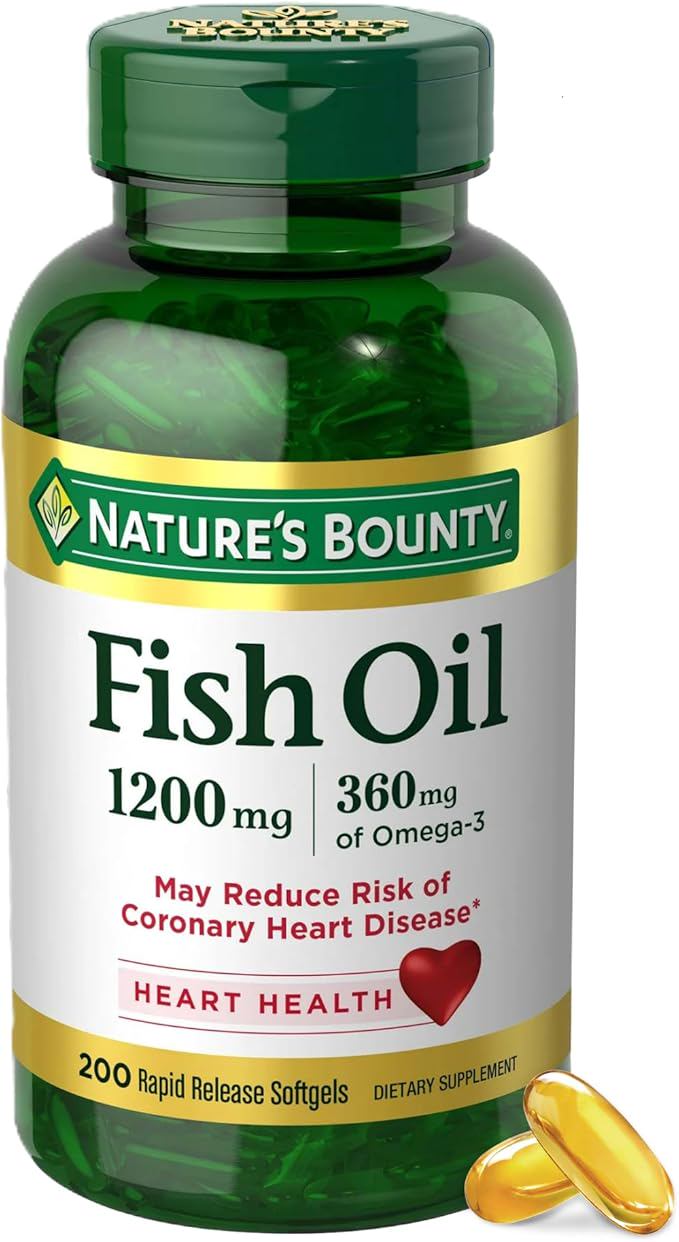
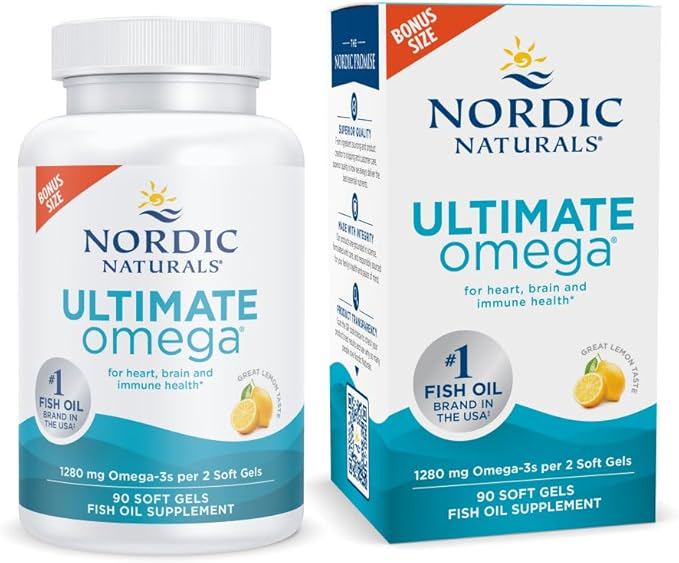
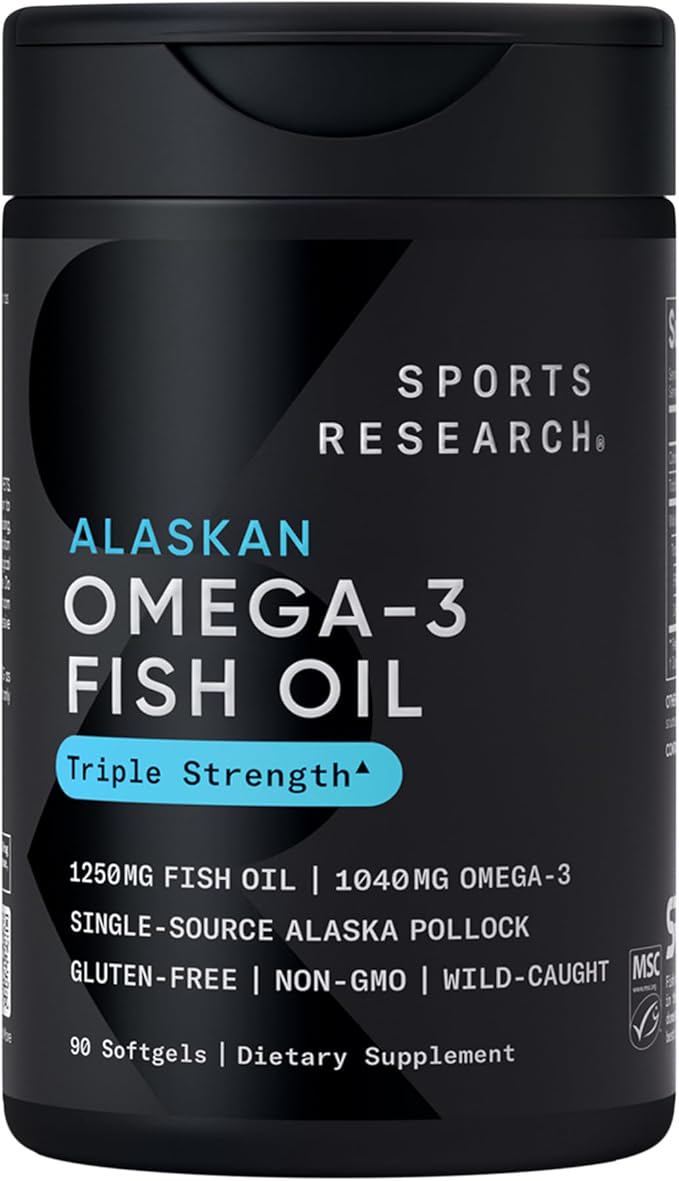
This bowl is a triple threat for cycle health. Salmon is rich in omega-3 fatty acids and vitamin D. Omega-3s have anti-inflammatory properties that can help reduce prostaglandins—compounds that cause painful cramping—and may support regular ovulation. Vitamin D plays a role in estrogen metabolism and has been linked to cycle regularity. Quinoa is a whole grain that provides B vitamins and magnesium. Avocado contributes healthy monounsaturated fats and more magnesium. Dark leafy greens like spinach or kale are packed with iron, which is especially important for anyone with heavy periods, and provide fiber to support estrogen clearance.
Simply cook your quinoa, flake cooked salmon over the top, add sliced avocado, and a handful of greens. Dress with lemon juice and a drizzle of olive oil.
2. Overnight oats with pumpkin seeds and berries
Breakfast is a perfect opportunity to set the tone for blood sugar balance, which is critical for cycle regularity. When blood sugar spikes and crashes, it can affect insulin levels, which in turn can disrupt ovulation. Oats provide slow-release carbohydrates and soluble fiber. Pumpkin seeds are one of the best food sources of zinc—a mineral that is essential for the development of the egg follicle and ovulation. Berries (blueberries, raspberries, strawberries) deliver antioxidants that help reduce inflammation and protect egg quality. Top it all with a tablespoon of ground flaxseed for extra fiber and lignans, which may help balance estrogen.
Combine rolled oats with milk (dairy or unsweetened plant-based), a spoonful of chia seeds, and a handful of berries. Refrigerate overnight. In the morning, stir in pumpkin seeds and a few extra berries.
3. Sweet potato and black bean chili
Warm, hearty, and deeply satisfying, this chili is packed with cycle-supporting ingredients. Sweet potatoes are rich in beta-carotene and vitamin C, both of which support healthy ovulation and immune function. They also provide complex carbohydrates that help maintain stable blood sugar. Black beans are loaded with fiber, which helps your body eliminate used hormones effectively. A high-fiber diet is consistently associated with more regular cycles. Tomatoes (fresh or canned) provide lycopene, an antioxidant that supports overall reproductive health. Add cumin and chili powder for flavor, but also because these spices have mild anti-inflammatory effects.
Sauté onion and garlic, add diced sweet potato, black beans, crushed tomatoes, vegetable broth, and your favorite chili spices. Simmer until sweet potatoes are tender. Serve with a dollop of plain Greek yogurt (for protein and calcium) or sliced avocado.
4. Stir-fried tofu with broccoli and sesame seeds
This plant-based option is excellent for supporting cycle regularity, especially if you're looking to reduce your intake of animal products. Tofu provides high-quality protein and is a source of iron and calcium. It also contains isoflavones, which are plant compounds that can weakly modulate estrogen activity—contrary to old myths, research does not show that moderate amounts of soy disrupt menstrual cycles in people without underlying conditions. Broccoli and other cruciferous vegetables are rich in indole-3-carbinol, a compound that helps your liver metabolize estrogen more efficiently. Sesame seeds are a concentrated source of zinc and also contain lignans that can help balance hormones.
Stir-fry cubed firm tofu until golden. Add broccoli florets and a splash of tamari or coconut aminos. Finish with a sprinkle of sesame seeds and red pepper flakes if you like heat. Serve over brown rice or cauliflower rice.
5. Lentil and vegetable soup with turmeric
Soup is a simple, one-pot way to deliver a wide array of nutrients. Lentils are a powerhouse: they provide fiber, folate (a B vitamin that supports healthy ovulation and early pregnancy), and iron. Carrots, celery, and onions bring additional vitamins and fiber. Turmeric is a potent anti-inflammatory spice; its active compound, curcumin, has been studied for its ability to reduce PMS symptoms and support a healthy menstrual cycle. Pair it with black pepper to enhance absorption. Ginger, also included in this recipe, can help alleviate menstrual pain.
Sauté aromatics (onion, garlic, ginger) in a pot, then add chopped carrots, celery, rinsed lentils, vegetable broth, and a teaspoon of turmeric. Simmer until lentils and vegetables are tender. Stir in a handful of spinach at the end for extra iron and folate.
Important reminder: when to talk to a doctor
These meals are designed to support a healthy body that already has the potential for regular cycles. But irregular periods can be a sign of an underlying condition, such as polycystic ovary syndrome (PCOS), thyroid disorders, hypothalamic amenorrhea (often from low body weight or overexercise), or elevated prolactin levels. If you experience any of the following, see a healthcare provider for a thorough evaluation:
- Your cycles are consistently longer than 35 days or shorter than 21 days
- You have missed more than three periods in a row
- Your periods stop before age 45 (possible primary ovarian insufficiency)
- You have very heavy bleeding (soaking through a pad or tampon every hour)
- You have severe pain that interferes with daily life
Nutrition is a powerful tool, but it's not a replacement for medical care. Think of these meals as a way to nourish your body and give your hormones the best possible environment to find their natural rhythm.